Agents short on prospects can buy auto insurance leads from trusted online vendors. Good sources include marketplaces, live transfer platforms, and aged lead sellers. The right choice depends on your budget, team, and follow-up speed.
In my 20+ years of lead generation work, lead quality rarely tells the whole story. Fast contact, clear filters, and strong sales systems often decide results. A careful buying plan helps agents protect time and money.
This guide explains lead types, providers, costs, compliance, testing, and follow-up. You’ll learn how to compare each lead before spending. Keep reading to build a safer and stronger sales pipeline.
Quick Answer
You can buy auto insurance leads from marketplaces, transfer platforms, and aged lead vendors. Start with providers offering clear consent records, filters, delivery terms, and replacement rules. Test a small order first. Then measure contact, quote, and policy results before increasing your budget.
Why Agents Choose to Buy Auto Insurance Leads Online in USA
USA Agents buy leads online to reach shoppers without waiting for organic demand. Online vendors can deliver contact information within seconds or route calls live. This approach can help agents fill gaps and grow faster.
Purchased auto insurance leads also reduce early prospecting work. USA Agents can focus on quoting, advising, and closing potential customers. However, poor follow-up can waste even high-intent leads.
Types of Auto Insurance Leads Available
Auto leads include web forms, shared records, exclusive records, live calls, and aged data. Each lead type offers different intent, cost, and competition levels. Your sales process should match the format you choose.
Some agencies need real-time volume for busy sales teams. Others prefer cheaper data for long-term pipeline building. The best lead supports your staff, budget, and target customer.

Exclusive vs Shared Auto Insurance Leads
Exclusive leads go to one buyer, while shared leads reach several agents. Exclusive options reduce direct competition but usually cost more. Shared options cost less but demand faster contact.
| Factor | Exclusive Leads | Shared Leads |
| Buyers | One agency | Several agencies |
| Typical price | $15–$30+ for web leads | Usually lower; vendor quote needed |
| Competition | Lower | Higher |
| Best fit | Strong closers with fast response | Budget-focused teams with rapid dialing |
When Exclusive Leads Make Sense
Exclusive leads make sense when your team responds fast and closes consistently. You pay more for less competition around each shopper. They also fit agencies selling higher-value policy bundles.
When Shared Leads Offer Better Value
Shared leads offer better value when budget matters more than low competition. They let agents test areas and messages with less upfront cost. They also provide useful volume for newer sales teams.
Which Option Fits Different Agency Sizes
Small agencies often need controlled volume and strict local filters. Mid-sized teams can mix shared leads with selected exclusive leads. Large agencies may use every format across separate sales groups.
Fresh vs Aged Auto Insurance Leads
Fresh leads arrive soon after a shopper requests insurance information. Aged leads arrive days or months after that request. Fresh data brings higher intent, while aged data brings lower costs.
Benefits of Fresh Leads
Fresh leads give agents the best chance to reach active shoppers. These prospects may still compare insurance rates and coverage options. Real-time contact can reach them before their attention shifts.
When Aged Leads Are Worth Buying
Aged leads are worth buying when your team can nurture patiently. Their lower price can support large outreach campaigns. They also help fill slow periods without a large budget.
How to Improve Conversion on Aged Leads
Improve aged lead conversion by using a helpful re-entry message. Ask whether the shopper still wants better rates or coverage. Avoid acting like the request happened yesterday.
Top Lead Providers and Pricing
Top providers include marketplaces, web lead vendors, call platforms, and aged data sellers. Pricing depends more on lead format than provider size. Ask each vendor for current rates and delivery terms.
| Provider | Main Lead Format | Strong Fit |
| EverQuote for Agents | Real-time marketplace and live connections | Agents seeking active shoppers |
| QuoteWizard by LendingTree | Shared, exclusive, and inbound calls | Flexible caps and geographic control |
| AWL | Real-time auto insurance leads | Detailed driver and vehicle filters |
| SmartFinancial | Real-time leads | Geographic and risk targeting |
| QuinStreet | Consent-based P&C leads | Direct CRM routing |
| Datalot | Live calls and warm transfers | Phone-ready sales teams |
| ProspectsForAgents | Verified long-form leads | Complex driving profile filters |
| Salesgenie | Compiled car owner lists | Direct mail and outbound campaigns |
| Aged Lead Store and The Leads Warehouse | Aged opt-in data | Budget nurture campaigns |
Compare contracts before choosing any insurance lead provider. Review minimum orders, shared counts, filters, and refund rules. A cheaper lead may create a higher cost per acquisition.
Top7seven
Top7seven helps agents plan lead purchases around territory, budget, and sales capacity. This approach keeps volume aligned with real follow-up resources. It also supports more useful testing and scaling.
Key Factors to Consider
Key buying factors include lead type, delivery, filters, policy needs, and asset details. These details shape lead quality before your team calls. Clear requirements also prevent wasted orders.
Create a written buying checklist before comparing vendors. Give each factor a priority score. Then choose the provider matching your actual sales model.
Lead Type
Lead type controls intent, competition, price, and follow-up needs. Live calls need ready agents, while internet leads need instant outreach. Aged leads need longer nurture and careful compliance checks.
Delivery Method
Delivery method controls how quickly agents receive each prospect. Vendors may use email, dashboards, API feeds, or direct CRM routing. Live transfer leads connect callers straight to available agents.
Filtering
Filtering helps agents buy prospects matching licenses and carrier options. Common filters include state, ZIP code, vehicle, age, and driving history. Better filters can reduce volume and improve relevance.
Policy Parameters
Policy parameters define the coverage needs behind each insurance quote. Useful fields may include current coverage, renewal timing, and desired limits. These details help agents prepare better conversations.
Asset Details
Asset details describe the vehicles and property linked to each prospect. Vehicle year, make, model, ownership, and household data can guide quoting. These fields also support auto and home bundle offers.
Average Cost of Insurance Leads by Type
Insurance leads cost more as intent and exclusivity rise. Live calls carry the highest price, while aged data costs much less. Use these planning ranges instead of treating them as guaranteed quotes.
| Lead Type | Typical Cost | Typical Close Rate | Best Use |
| Live transfers | $25–$50+ per lead | About 15%–25% | Ready phone teams |
| Exclusive web leads | $15–$30+ per lead | About 5%–12% | Fast CRM follow-up |
| Aged data leads | Often priced in cents | About 2%–6% | Pipeline building |
Calculate cost per policy sold, not only lead cost. Include agent time, software, and follow-up expenses. This full view gives a clearer ROI picture.
How to Buy Insurance Leads
Buy insurance leads by defining your market, format, filters, budget, and daily capacity. Then compare several vendors using the same checklist. Start with a small test and written success targets.
Request sample fields and delivery details before payment. Confirm consent records, replacement terms, and lead sharing limits. Route every purchased lead into your CRM immediately.
Review results after enough calls and follow-ups. Pause weak sources before increasing spend. Keep strong sources only when they produce profitable policies.
How to Evaluate a Lead Provider Before Buying
Evaluate a provider through transparency, proof, testing, and measurable results. Good vendors explain sourcing, consent, delivery, filters, and replacement rules. They also avoid pressure and unrealistic promises.
Ask for every key term in writing. Compare answers across vendors before choosing. This process protects your agency from avoidable risk.

Questions to Ask Before Signing With a Lead Vendor
Ask questions that reveal source quality, sharing, consent, pricing, and support. These answers show how the vendor manages each insurance lead. They also make future disputes easier to resolve.
How Many Agents Receive Each Lead?
The sharing count shows how many agents compete for one prospect. Some vendors sell a lead once, while others sell it several times. More buyers usually create faster competition.
What Is the Refund or Replacement Policy?
A refund policy should explain which leads qualify for credit. Common issues include bad numbers, duplicates, and wrong locations. Each vendor sets different time limits and proof rules.
Are Leads Generated in Real Time?
Some vendors generate and deliver leads in real time. Others resell records after delays or previous outreach. This difference strongly affects speed and shopper intent.
Can You Filter by State or ZIP Code?
Most serious providers offer state or ZIP code filtering. These filters help agents stay within licensed territories. They also reduce spending on unreachable prospects.
How to Test a New Lead Provider
Test a new provider with one clear format and one target market. This setup makes results easier to measure. Avoid changing scripts or staffing during the test.
Start With a Small Order
A small order limits risk while showing basic lead quality. It also reveals delivery problems before a larger commitment. Choose a test size your team can contact fully.
Measure Contact and Quote Rates
Contact and quote rates show whether leads create real conversations. The contact rate tests data quality and response speed. The quote rate tests fit, intent, and agent skill.
Scale Only After Proven Results
Scale only after a lead source produces repeatable and profitable results. One strong week does not prove long-term value. Look for stable results across several lead batches.
Compliance and Legal Considerations
Compliance requires documented consent, lawful outreach, and state marketing controls. Buying a lead never removes the agent’s responsibility. Review every vendor process before contacting shoppers.
Build a written compliance checklist with legal guidance. Train agents on calls, texts, opt-outs, and recordkeeping. Treat this section as general guidance, not legal advice.
TCPA Compliance
TCPA compliance starts with how your team sends calls and texts. Automated or prerecorded outreach can trigger stricter consent and opt-out duties. Keep consent proof, dialing records, and suppression actions.
Consent and Opt-In Requirements
Consent records should show what the shopper requested and accepted. Store the form, source, date, language, and relevant seller details. Honor company-specific do-not-call requests even after an inquiry.
State Insurance Marketing Regulations
State rules control producer licensing and insurance sales practices. Confirm licensing, disclosures, advertising rules, and vendor conduct in each target state. State insurance regulators oversee producer sales and marketing requirements.
How to Maximize ROI From Purchased Auto Insurance Leads
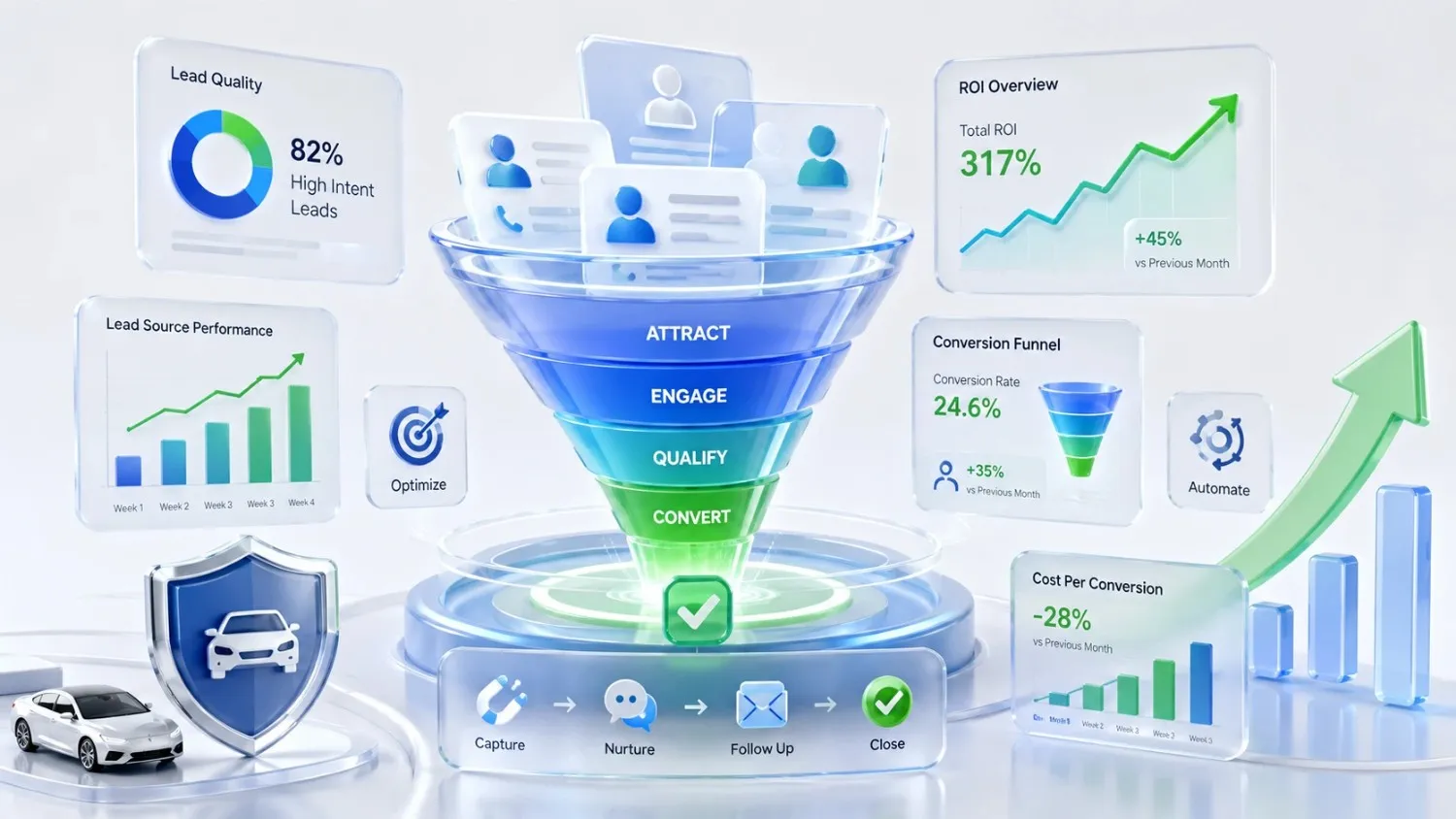
Maximize ROI through speed, steady follow-up, and accurate cost tracking. Lead quality matters, but agent execution often matters just as much. Build one repeatable process before increasing volume.
Review results by vendor, lead type, agent, and territory. This detail shows where profits rise or fall. Use those findings to improve scripts and routing.
Speed to Lead Best Practices
Speed to lead means contacting a fresh shopper immediately. Fast outreach catches prospects while they still compare insurance options. It also reduces the advantage of competing agents.
Multi-Channel Follow-Up Strategy
A multi-channel plan combines calls, email, and permitted SMS messages. Different shoppers respond through different channels. Coordinated outreach increases contact chances without random repetition.
Tracking Cost Per Policy Sold
Cost per policy sold shows the true value of purchased leads. Divide total campaign cost by the number of issued policies. Include lead fees, labor, tools, and transfer costs.
Best Practices for Following Up With Purchased Leads
Best follow-up uses fast contact, useful messages, and patient nurturing. Agents should help shoppers compare choices without creating pressure. A clear schedule keeps every prospect from slipping away.
Give each agent a shared follow-up playbook. Review call notes and outcomes weekly. Improve messages based on real objections.
First Contact Timeline
First contact should happen as soon as a fresh lead arrives. Real-time shoppers may request several auto insurance quotes. Delays give competing agents more chances.
Email and SMS Follow-Up
Email and SMS follow-up should add value after missed calls. Share a simple next step, useful question, or quote reminder. Keep every message short and personal.
Long-Term Nurture Campaigns
Long-term nurture keeps undecided or aged prospects in your pipeline. Helpful reminders can reach shoppers near renewal dates. Educational emails can also build trust before the next quote.
Common Pitfalls When Buying Auto Insurance Leads Online
Common pitfalls include oversold data, weak consent, bad contacts, and false promises. Agents also fail when they buy more volume than teams can work. Careful testing prevents most costly mistakes.
Review performance before blaming only the provider. Slow calls and poor scripts can hurt good leads. Separate vendor problems from agency process problems.

Red Flags That Indicate Low-Quality Auto Insurance Leads
Low-quality lead red flags include vague sourcing and missing consent details. Hidden sharing counts and forced contracts also create risk. Strong vendors answer direct questions clearly.
Recycled or Oversold Leads
Recycled or oversold leads reach too many buyers or repeat across lists. Shoppers may feel annoyed before your first call. This issue lowers trust and contact rates.
Invalid Contact Information
Invalid contact information wastes agent time and raises campaign costs. Bad phone numbers, fake emails, and wrong locations create dead ends. Some errors happen naturally, but patterns need action.
Unrealistic Pricing Promises
Unrealistic pricing promises often hide weak data or heavy sharing. Very cheap leads may require more labor and follow-up. Price alone never proves value.
Buying Insurance Leads Worth It for Agents?
Buying insurance leads can work for agents with strong follow-up systems. It offers faster access to potential customers and scalable volume. It fails when teams lack speed, tracking, or discipline.
Treat purchased leads as one growth channel. Keep referrals, partnerships, and organic lead generation active. A balanced pipeline lowers dependence on one vendor.
Pros and Cons of Buying Insurance Leads
Purchased leads offer speed, volume, targeting, and easier campaign planning. They also bring costs, competition, compliance duties, and quality differences. Your results depend on execution and vendor fit.
Should You Buy Exclusive Leads or Generate Your Own?
Buy exclusive leads for faster access, but build your own leads for control. Exclusive purchases can support immediate insurance sales goals. Owned lead generation creates a stronger long-term asset.
Cost Comparison
Purchased leads create direct and easy-to-track campaign costs. Self-generated leads require content, ads, tools, staff, and time. Neither option stays free.
Time Investment
Purchased leads save prospect discovery time but require fast selling work. Self-generated leads need longer setup and ongoing marketing. Both approaches need skilled follow-up.
Long-Term Scalability
Long-term scalability comes from repeatable systems and diverse lead sources. Vendor volume can grow quickly, but prices and quality may change. Owned channels take longer but offer more control.
Frequently Asked Questions
These questions cover common concerns about buying auto insurance leads. The answers focus on practical choices for U.S. agents. Always confirm vendor terms before ordering.
Can I Buy Auto Insurance Leads by State?
Yes, many vendors sell auto insurance leads by state or territory. Some also allow ZIP code and radius filters. Confirm volume, licensing, and added filter costs first.
Can Independent Agents Buy Auto Insurance Leads?
Yes, independent agents can buy auto insurance leads from many providers. They can target carriers, markets, and policy types they serve. Captive agents should follow carrier marketing rules too.
How Many Leads Should I Buy Per Month?
Buy only the volume your team can contact and follow fully. Start with a small test based on daily agent capacity. Increase monthly volume after profitable and repeatable results.
Are Auto Insurance Leads Sold Exclusively?
Some vendors sell exclusive auto insurance leads, while others sell shared leads. Ask how many buyers receive each record. Get that limit in writing before payment.
Can I Filter Leads by Driver Profile?
Yes, some providers let agents filter leads by driver profile. Options may include claims, violations, coverage lapses, vehicles, or SR-22 needs. Available filters vary by vendor and market.
Key Takeaways
- Match the lead type to your team’s speed and budget.
- Test small orders before scaling any provider.
- Track contact, quote, policy, and total acquisition costs.
- Verify consent, sharing limits, filters, and replacement rules.
- Use purchased leads beside owned lead generation channels.
Final Thoughts
The best place to buy leads depends on your agency’s sales system. Marketplaces offer real-time volume, while transfers offer direct conversations. Aged lead vendors support cheaper and longer nurture campaigns.
Start with clear filters, small tests, and strict tracking. Compare vendors through policies sold, not leads delivered. Keep compliance and customer respect inside every follow-up step.
Top7seven offers lead generation support from 4878 Nickel Road, El Monte, CA 91731. Call (209)-655-3042 or email contact@top7seven.com. We can help you choose a practical lead plan. Contact us today to get started.