Your phone stays quiet when a locked-out customer is searching for help right now. That gap between their panic and your ringtone is where most locksmith businesses lose money. I’ve watched shops spend thousands on ads that never ring, while a competitor two blocks away books the job in under a minute.
I’ve spent 20+ years in performance marketing, and locksmith lead generation is one of the toughest niches I work in. It’s not like selling shoes online. Locksmith leads are time-sensitive, hyper-local, and split between emergency panic and planned commercial work. That mix is exactly why generic marketing plans fail this industry.
In this guide, you’ll learn how to build a locksmith lead generation system that actually rings the phone. I’ll walk you through budgeting, paid ads, local SEO, referrals, and how to qualify leads before you dispatch a truck. Every section comes from real jobs, real budgets, and real mistakes I’ve seen locksmith owners make.
Quick Answer
To generate locksmith leads, combine Google Local Services Ads, local SEO, and referral systems. Emergency customers search on mobile and pick the closest, highest-rated business fast. Win that moment with a Google Screened badge, a fast website, and instant phone answers. Layer in commercial B2B relationships for steady, high-value work between emergency calls.
Why Lead Generation Matters for Your Locksmith Business?
Lead generation matters because locksmiths live or die by the next phone call. You don’t get repeat weekly customers like a restaurant does. Most residential customers call once every few years. This problem happens when owners assume good work alone brings in the next job. It doesn’t. You need a steady pipeline of new locksmith leads every single day, not just when things get slow.
Customers struggle with finding a trustworthy locksmith fast, especially during a lockout. They’re stressed, standing outside their car or house, searching on a phone. The business that shows up first, answers the call, and looks credible wins the job. This is why lead generation strategies built around speed and trust outperform anything built around clever slogans.
What makes locksmith lead generation different from other trades
Locksmith leads split into two very different buyer moods: panic and planning. A lockout customer needs help in minutes. A commercial client planning an access control upgrade needs weeks of trust-building. You have to run two marketing systems at once. Most trades don’t deal with this split. A roofer rarely gets a 2 a.m. emergency call. A locksmith does, constantly, and that changes everything about how you market.
Understand the Different Types of Locksmith Leads
Not all locksmith leads are worth the same money, and treating them the same wastes your budget. Each lead type needs its own channel, message, and response speed. Knowing the difference helps you spend smarter and dispatch faster.

Emergency Locksmith Leads
Emergency leads come from lockouts, break-ins, and broken keys. These customers search “emergency locksmith” or “car lockout near me” right now. They want the closest company, not the cheapest. Speed wins this category every time.
Residential Locksmith Leads
Residential leads come from homeowners needing rekeys, lock changes, or lost house keys. They’re less urgent than lockouts but still local and high-intent. They often research reviews before calling, so your reputation matters here more than speed alone.
Automotive Locksmith Leads
Automotive leads involve car lockouts, key fob programming, and ignition repair. These customers are often stranded, so mobile response time is everything. They typically search from their phone while standing next to their car.
Commercial Locksmith Leads
Commercial leads come from businesses needing rekeys, master key systems, or security upgrades. These jobs pay more but take longer to close. Property managers and office buildings often need ongoing service contracts, not just one visit.
High-Value Security and Access Control Leads
High-value leads involve electronic locks, access control systems, and full security installs. These customers plan ahead and compare vendors carefully. This is where B2B relationships and case studies close the deal, not urgency.
Create a Locksmith Lead Generation Budget
A locksmith marketing budget must split spending between instant emergency demand and slower, long-term growth. Most owners either overspend on ads that never convert, or underspend on SEO that would have paid off for years. Getting this balance right takes tracking, not guessing.
You can solve this by reviewing cost-per-lead data monthly and shifting dollars toward what’s actually working. This isn’t a “set it and forget it” budget. The locksmith industry moves fast, and your spending needs to move with it.
Separate Immediate and Long-Term Lead Channels
Immediate channels like Google Local Services Ads bring calls today. Long-term channels like SEO and content build free traffic over months. Fund both, but expect different timelines from each.
Allocate Budget Based on Service Profitability
Put more budget behind your highest-margin services. Commercial access control jobs often pay far more than a simple lockout. This problem happens when owners spread budget evenly and ignore which jobs actually make money.
Increase Spending on Proven Lead Sources
Scale spending on channels with a strong lead-to-booking rate. If Local Service Ads consistently turn calls into paid jobs, add more budget there before trying something new.
Reduce Spending on Channels That Produce Poor-Quality Leads
Cut or pause channels sending spam calls, wrong numbers, or tire-kickers. You can solve this by reviewing call recordings weekly and flagging low-quality sources fast.
Paid Advertising Channels
Paid ads put your locksmith business at the top of search results the moment someone needs help. For an emergency trade, this visibility is worth every dollar when managed correctly. The key is precision targeting, not broad spray-and-pray campaigns.
Google Local Services Ads (LSAs)
Google Local Services Ads are pay-per-lead ads that sit above regular Google Ads. They display a Google Screened badge, which builds instant trust with a panicked customer. You only pay when someone calls or texts you directly through the ad. That structure drastically lowers wasted ad spend compared to standard pay per click campaigns. For emergency lockout situations, LSAs are often the single best channel a locksmith can run.
Google Ads (PPC)
Google Ads should target tightly focused, bottom-of-funnel keywords. Think “car lockout near me” or “emergency residential locksmith [city].” These are high-intent search terms from people ready to call now, not researchers browsing DIY tips.
Negative Keyword Scrubbing
Negative keyword scrubbing filters out searches that never turn into paying jobs. Customers struggle with lock problems and sometimes search “how to pick a lock” or “free locksmith school.” Block these terms using negative keyword lists. Otherwise, your budget burns on informational traffic that was never going to call you.
Local SEO and Maps Optimization
Local SEO puts your business on the map, literally, when nearby customers search for help. Most stranded customers grab their phone and pick whoever shows up closest with good reviews. This channel produces free, ongoing locksmith leads once it’s built correctly.
Google Business Profile (GBP)
A complete Google Business Profile is the backbone of local locksmith visibility. Fill it out with real job photos, accurate emergency hours, and your true service area. This problem happens when owners leave fields blank, which quietly hurts map rankings.
Customer Reviews
Reviews are the number one driver of local map pack rankings. Use SMS tools or contactless tap cards to ask for a five-star review the moment a job wraps up. The system works by catching customers while their relief is still fresh, right after you solved their problem.
Apple Business Connect
Apple Business Connect captures leads from Apple Maps, CarPlay, and Siri searches. Many drivers stranded in a parking lot use Siri, not Google. Claiming this profile opens a lead source most competitors ignore.
Ultra-Fast Mobile Landing Pages
Your mobile landing page needs to load in under two seconds. Emergency customers won’t wait for a slow site to load. Strip out complex forms for emergency traffic and put a large, sticky click-to-call button right at the top of the screen.
Build Service-Specific Location Pages
Service-specific pages help you rank for exact searches like “automotive locksmith in Dallas.” Build one page per core service, per major city you serve. This gives Google clear signals about what you do and where.
Keep Business Information Consistent Across Local Listings
Your name, address, and phone number must match everywhere online. This problem happens when old listings on Yelp or Yellow Pages show outdated numbers. Inconsistent data confuses Google and lowers your local ranking.
Strengthen Local Relevance With Service-Area Content
Write content that mentions real neighborhoods, landmarks, and local zip codes you serve. This tells Google, and customers, that you genuinely work in their area, not just a nearby city.
Avoid Thin or Duplicate City Pages
Don’t copy-paste the same page and swap the city name. Google flags thin, duplicate content and buries it in search results. Each location page needs unique details about that specific service area.
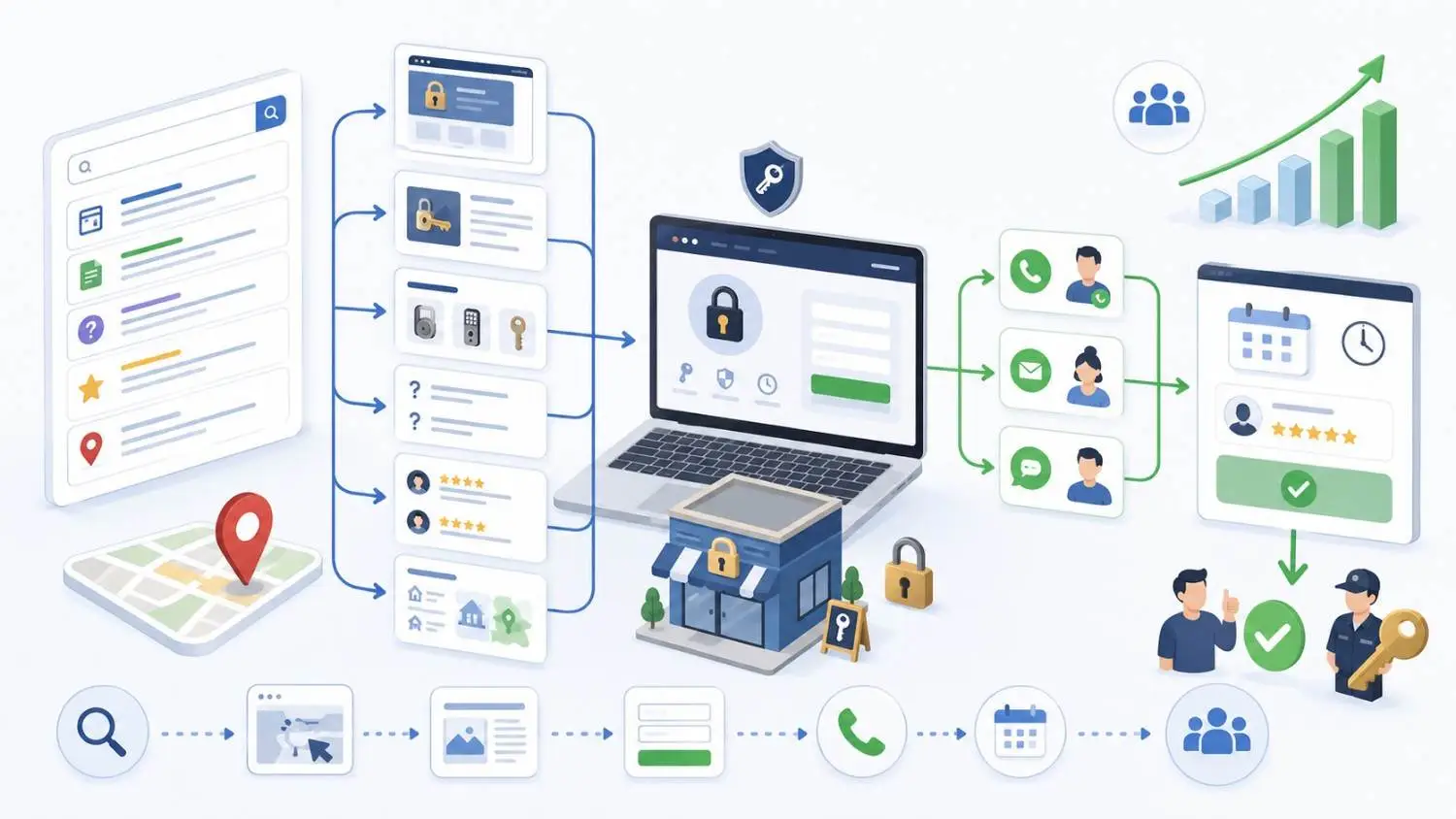
Build an Organic Search Lead Engine Beyond Google Maps
Organic search brings in leads long after you stop paying for ads. It takes longer to build, but it compounds. Customers searching for detailed answers often convert once they trust your content.
This channel works best when you think like your customer, not like a marketer. They’re not always in a panic. Sometimes they’re planning ahead, researching a rekey, or comparing local locksmith companies before making a decision.
Create Dedicated Pages for Core Locksmith Services
Build a standalone page for every core service you offer. Separate pages for residential, commercial, automotive, and emergency locksmith services rank better than one crowded page trying to cover everything.
Publish Content Around Customer Problems
Answer real customer questions, like “what to do after losing house keys.” You can solve this by writing short, clear guides that solve one problem each. This builds trust before the emergency call even happens.
Use Internal Links to Move Visitors Toward Service Pages
Link blog content directly to your service and location pages. This guides readers from “just researching” toward “ready to book,” and it helps Google understand your site structure too.
Earn Relevant Local and Industry Links
Local links from chambers of commerce, news sites, and trade directories build authority. The company that gets mentioned on local news or a hardware store’s site tends to outrank competitors without those links.
Use Social and Community Platforms to Generate Local Demand
Social platforms build local trust before a customer ever needs a locksmith. They see your name, your trucks, your reviews, weeks before a lockout happens. That familiarity shortens the decision when the emergency hits.
Build Local Visibility on Facebook
Post real job photos and quick tips on your Facebook business page. Join local city groups and answer locksmith questions honestly, without spamming your phone number everywhere.
Reach Homeowners Through Neighborhood Communities
Platforms like Nextdoor put you directly in front of homeowners in your service area. Neighbors trust neighbor recommendations, so a few genuine reviews there go a long way.
Use Short-Form Video to Demonstrate Locksmith Expertise
Short videos showing a rekey or lockout fix build instant credibility. Customers struggle with trusting a stranger in their home. Watching your skill on video, before you arrive, eases that worry.
Retarget Previous Website Visitors
Retargeting ads bring back visitors who never called on their first visit. This problem happens when a customer researches locksmiths, gets distracted, and forgets your name. A retargeting ad reminds them exactly when they’re ready to book.
Generate Customer Referral Leads
Referrals produce some of the cheapest, highest-trust locksmith leads available. A friend’s recommendation beats any ad. Building a real referral system turns happy customers into a steady lead source.
Create a Customer Referral Program
Offer a small discount or gift card for every referral that books a job. This gives customers a clear reason to mention your name, not just a vague “tell your friends” request.
Ask Satisfied Customers for Referrals After Service
Ask right after the job, while relief and gratitude are still fresh. You can solve this by training technicians to mention the referral program on-site, not weeks later in a forgotten email.
Track Customer and Technician Referral Sources
Track exactly where each referral lead comes from. This shows you which customers and which technicians drive the most new business, so you know who to reward.
Turn Past Customers Into Future Locksmith Leads
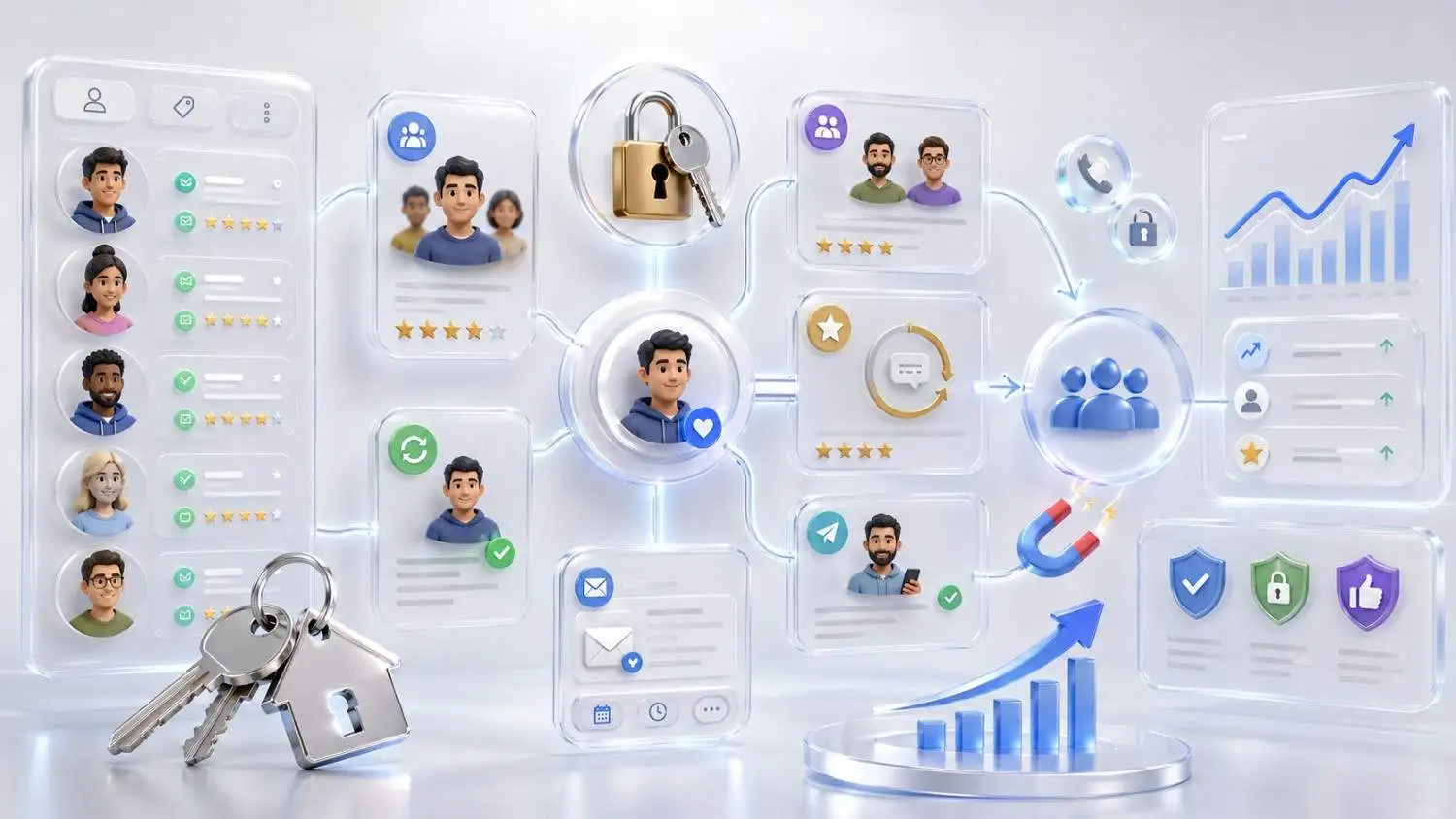
Your past customers are one of your cheapest lead sources, if you stay in touch. Most locksmiths do one job and never follow up again. That’s a mistake I see constantly on real accounts.
Build a Customer Database
Keep a simple database with names, service dates, and job types. This sounds basic, but many small locksmith shops skip it entirely and lose years of repeat business potential.
Use SMS and Email for Relevant Follow-Ups
Send occasional SMS or email reminders about lock maintenance or security upgrades. Keep it useful, not pushy. A yearly check-in message often turns into a booked job.
Promote Rekeying, Lock Upgrades and Security Services to Existing Customers
Existing customers are the easiest audience to sell additional services to. They already trust you. Mention smart lock upgrades or rekeying after a move; it’s an easy, natural upsell.
Stay Top of Mind With Past Residential and Commercial Customers
Send a short seasonal message, like a spring security check reminder. This keeps your business name fresh in their mind for the next time a lock breaks or a key goes missing.
Design Your Website for Emergency Leads
Your website must be built to convert panicked, mobile visitors in seconds. A slow site or a complicated form loses the customer to the next search result. Every second matters when someone is standing outside a locked door.
Make Calling the Primary Emergency Conversion Action
Put a large, tappable phone number at the very top of every page. Emergency customers want to talk to a person, not fill out a form. Make calling the easiest thing on the screen.
Keep Quote and Contact Forms Fast to Complete
Cut forms down to name, phone, and problem only. Customers struggle with long forms while stressed. The system works by removing every unnecessary field between them and a callback.
Add value to your website through copywriting
Write copy that speaks directly to the customer’s problem, not your company history. Lead with “Locked out? We arrive in 20 minutes” instead of a generic “About Us” paragraph. This small shift builds instant relevance.
Build Trust with Credentials and Transparency
Show your license, insurance, and years in business clearly on the homepage. Customers letting a stranger near their home or car want proof you’re legitimate before they call.
Make Service Availability and Coverage Easy to Understand
List your service hours and coverage area in plain, simple text. This problem happens when a customer can’t tell if you serve their zip code or work at 2 a.m. Confusion sends them straight to a competitor.
Conversion and Operational Strategies
Conversion is operational, not just about marketing. You can run perfect ads and still lose the job if the phone rings unanswered. I’ve audited accounts with great ad performance and terrible booking rates, and it always traces back to operations.
Instant Phone Response
Answer every call within three seconds. This problem happens when calls go to voicemail and the customer simply calls the next locksmith on the list. In this trade, a missed call is a lost job, almost every time.
B2B Partnerships
Local B2B partnerships create steady, non-emergency revenue. Building relationships with local businesses gives you predictable work between emergency calls, which stabilizes cash flow.
Roadside Assistance & Auto Clubs
Partnering with AAA or local towing networks brings consistent auto lockout dispatches. Becoming an authorized provider puts your business directly into their referral system, with steady volume attached.
Real Estate & Property Management Networks
Realtors and property managers need rekeying and master key services constantly. Reach out directly to these networks. Airbnb hosts also need frequent rekeys between guests, which makes them a strong recurring client type.
Set Up Effective Call Routing Systems
Route after-hours calls straight to an on-call technician’s phone. You can solve this by using automated call forwarding so no lead ever hits a dead voicemail box, day or night.
Qualify Locksmith Leads Before Dispatching a Technician
Qualifying leads before dispatch saves fuel, time, and wasted technician hours. Not every call deserves an immediate truck roll. A quick screening process protects your bottom line.
Confirm the Customer’s Location and Service Area
Verify the address falls inside your actual coverage zone. This problem happens when dispatchers assume proximity without confirming, sending a tech too far for the job’s value.
Identify the Locksmith Service Required
Ask specific questions to identify the exact service needed. A car lockout and a full commercial rekey need different tools, timing, and technicians.
Determine Job Urgency and Technician Availability
Match true urgency against which technician is actually free right now. Not every “emergency” call is truly urgent, and confirming this prevents overbooking your closest tech.
Screen Spam, Wrong Numbers and Low-Quality Leads
Filter out spam calls and wrong numbers before they waste a dispatcher’s time. Call tracking software flags repeat numbers and suspicious patterns automatically.
Prioritize High-Value and High-Intent Jobs
Rank jobs by both urgency and profitability before assigning technicians. A commercial access control lead may wait an hour; a stranded driver at night should not.
The Economic Drivers: Conversion is Operational
These numbers show exactly why fast operations matter more than ad spend alone.
| Operational Factor | Impact on Locksmith Leads |
| Answer calls within 3 seconds | Prevents customers from calling the next competitor |
| Respond to web leads under 1 minute | Boosts conversions by up to 63% |
| Use manual CPC over automated bidding | Controls cost-per-click on broad keywords |
| Scrub negative keywords weekly | Stops budget waste on non-buying searches |
| Route after-hours calls automatically | Prevents voicemail from losing emergency jobs |
Measure Locksmith Lead Generation Performance
You can’t improve what you don’t track. Locksmith owners who guess at performance usually overspend on the wrong channels for months without knowing it.
Use Call Tracking and Lead Attribution
Call tracking numbers show exactly which channel generated each phone call. This is the foundation of every other metric on this list.
Measure Cost Per Lead
Cost per lead shows how much you spend to generate one inquiry. Compare this across LSAs, PPC, and SEO monthly to spot rising costs early.
Measure Lead-to-Booking Rate
This metric shows what percentage of leads actually turn into paid jobs. A channel with cheap leads but a low booking rate may cost more than it looks.
Measure Booking-to-Completed-Job Rate
Track how many booked jobs actually get completed and paid. Cancellations and no-shows quietly eat into profit if left unmeasured.
Track Revenue by Marketing Channel
Connect actual job revenue back to the channel that generated the lead. This shows true ROI, not just lead volume.
Calculate Customer Acquisition Cost
Customer acquisition cost combines ad spend, staff time, and tools per new customer. This number tells you if a channel is actually profitable, not just busy.
Compare Lead Quality Across Marketing Channels
Some channels bring cheap leads that rarely book. Others cost more upfront but convert at a much higher rate. Always compare quality, not just price.
Protect Your Locksmith Business From Fake and Low-Quality Leads
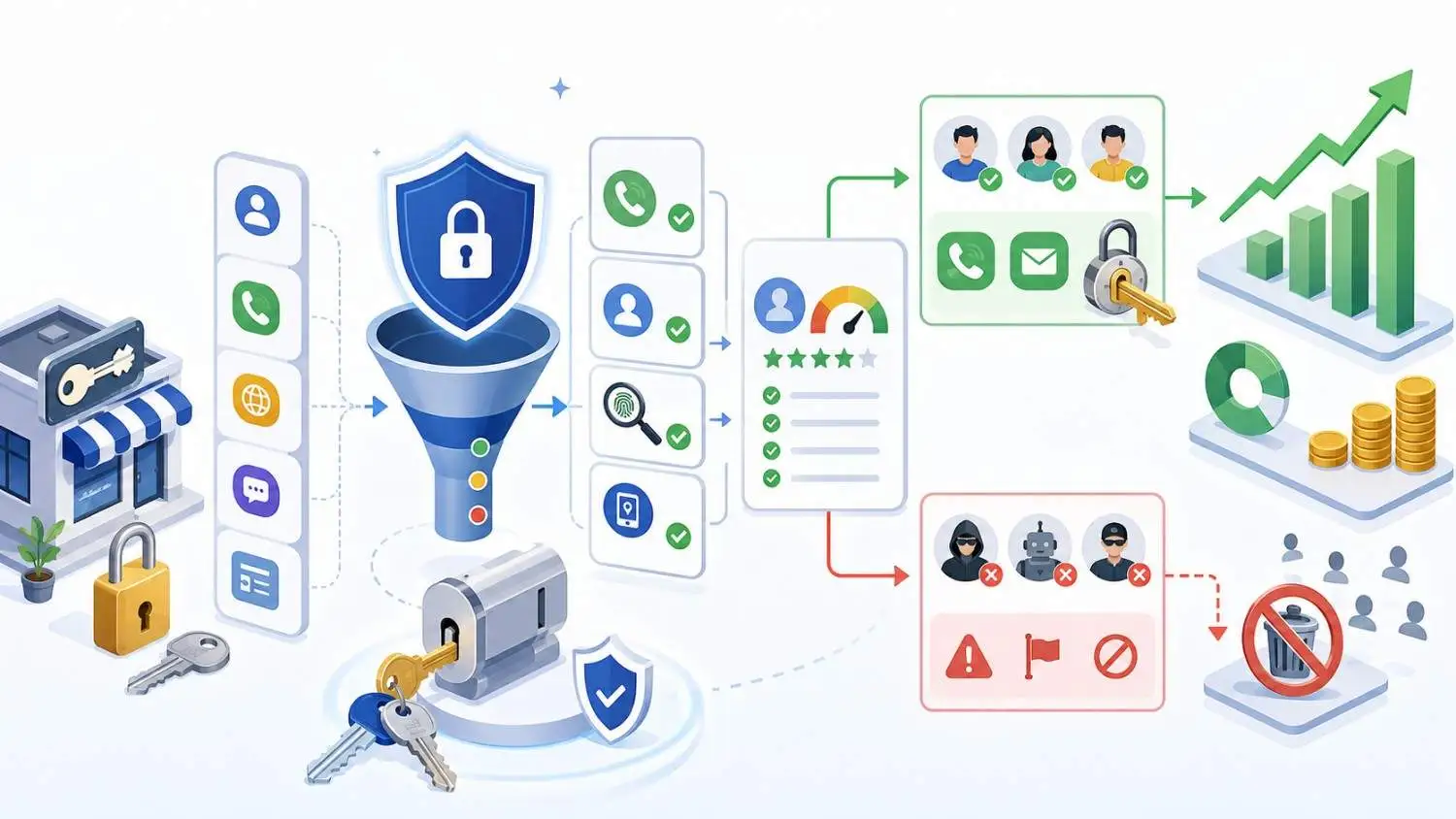
Fake leads drain your budget without producing a single paid job. This is one of the most common complaints I hear from locksmith owners buying third-party leads.
Identify Duplicate and Resold Leads
Watch for the exact same lead sold to multiple locksmiths in your area. This problem happens often with cheap shared-lead providers cutting corners.
Filter Spam and Invalid Calls
Use call tracking software to flag robocalls and invalid numbers automatically. This keeps your reported cost-per-lead numbers honest and accurate.
Watch for Google Business Profile Impersonation
Some fake locksmith listings use local phone numbers to trick Google’s algorithm. Report suspicious duplicate listings competing dishonestly in your service area.
Verify Third-Party Lead Providers Before Buying Leads
Ask any lead provider for real conversion data from other locksmith clients. You can solve this by requesting references before signing any contract.
Track Refunds and Disputed Leads
Keep records of every lead you dispute and request a refund for. Providers with a high dispute rate are usually not worth the ongoing cost.
Should Locksmith Businesses Buy Leads or Generate Their Own?
Both options work, but they serve different stages of business growth. Bought leads bring quick volume; owned leads build long-term, lower-cost growth.
Exclusive Locksmith Leads
Exclusive leads are sold to only one locksmith business. They cost more per lead but come with far less competition for the same job.
Shared Locksmith Leads
Shared leads get sold to multiple locksmith companies at once. They’re cheaper individually, but you’re racing competitors for the same customer.
Pay-Per-Call Locksmith Leads
Pay-per-call leads charge you only when a customer actually calls. This model closely mirrors how Local Services Ads already work, which is why many locksmiths prefer it.
Owned Leads From SEO and Advertising
Owned leads come from your own website, ads, and Google Business Profile. These leads cost more time upfront but build an asset that keeps generating locksmith leads for years.
Which Lead Model Is Best for Your Locksmith Business?
New businesses often need bought leads for quick cash flow. Established businesses should shift budget toward owned channels for lower long-term costs. Most successful shops eventually run both models together.
How to Scale Locksmith Lead Generation Into New U.S. Markets
Scaling into a new market takes research first, ad spend second. Rushing into a new city without data almost always burns budget fast.
Validate Local Demand Before Entering a New Market
Check local search volume for locksmith services in the target city. Low demand means a slow, expensive market to break into.
Evaluate Competition and Lead Costs
Research how many established locksmith companies already dominate that market. High competition usually means higher cost-per-lead from day one.
Confirm Technician Coverage Before Expanding
Make sure you have reliable technicians actually available in the new area. Marketing without coverage just creates angry, unfulfilled customers.
Launch One New Market at a Time
Expand into one city before adding a second. This problem happens when owners spread thin across five markets and master none of them.
Compare Lead Economics Across U.S. Markets
Track cost-per-lead and booking rates separately for every market you enter. What works in Dallas may cost twice as much in a smaller Midwest town.
Frequently Asked Questions About Locksmith Lead Generation
How Long Does SEO Take to Generate Locksmith Leads?
Local SEO typically takes 3 to 6 months to produce steady locksmith leads. Competitive cities may take longer, while smaller markets can move faster.
How Quickly Should a Locksmith Respond to a New Lead?
Respond to a new web lead in under one minute whenever possible. Fast response can boost conversions by up to 63%.
When Should a Locksmith Increase Its Lead Generation Budget?
Increase budget once a channel shows a strong lead-to-booking rate. Scale spending on proven winners before testing brand-new channels.
How Often Should Locksmith Lead Generation Performance Be Reviewed?
Review performance monthly, at minimum. Fast-moving channels like PPC and LSAs benefit from weekly check-ins on cost and call quality.
Let Top7seven foster your leads
Top7seven runs performance marketing built specifically for U.S. locksmith businesses. We manage Local Services Ads, local SEO, and call tracking under one roof, so leads don’t slip through the cracks between channels.
Key Takeaways
- Speed wins emergency locksmith jobs — answer calls within 3 seconds and respond to web leads in under 1 minute.
- Split your budget between fast channels like LSAs and long-term channels like SEO.
- Reviews and Google Business Profile accuracy directly drive local map rankings and free leads.
- Qualify every lead before dispatch to protect technician time and fuel costs.
- Track cost-per-lead and booking rate by channel to know what’s actually making you money.
Final Thoughts
Generating steady locksmith leads takes more than running ads and hoping the phone rings. It takes a real system: fast response, tight local SEO, smart budgeting, and honest lead tracking. The locksmith businesses that grow year over year treat marketing as an ongoing operation, not a one-time setup.
Top7seven United States Performance Marketing Services has spent years helping locksmith companies build exactly this kind of system. We know which channels bring real jobs and which ones just burn budget. If you’re ready to stop guessing and start booking more locksmith jobs, we’re ready to build your lead pipeline with you.