You should buy locksmith leads only after you check exclusivity, verification, and refund rules. Many locksmiths lose money buying leads blind. They pay for a “lead” that turns out to be a wrong number, a shared contact, or a job three counties away. That mistake gets expensive fast.
I’ve spent over 20 years in performance marketing, and locksmith leads are one of the trickiest products to buy right. The lead itself isn’t the problem. The lack of verification is. A good lead system tells you the location, the urgency, and the service type before you ever get charged. A bad one just sends you a phone number and hopes you don’t ask questions.
In this guide, you’ll learn what to verify before you buy, what lead types exist, how much they cost across the USA, and how to test a provider without risking your whole budget. By the end, you’ll know exactly what a fair locksmith lead deal looks like.
Quick Answer
Buy locksmith leads only from providers who offer exclusive delivery, real-time routing, and clear refund rules for invalid leads. Check that each lead confirms the customer’s location, service type, and urgency level before you pay. Avoid shared leads, recycled contacts, and vague sourcing. Test with a small budget first. This protects your cost per booked job and keeps your locksmith business profitable.
What to Verify Before Buying Locksmith Leads
Verify exclusivity, accuracy, and delivery speed before you buy any locksmith lead. Customers struggle with leads that look good on paper but fall apart on the phone. The lead didn’t match the job, or five other locksmiths already called the same number. This section breaks down exactly what to check first.
I’ve watched locksmith owners get burned the same way over and over. They buy a bundle of leads, and half of them go nowhere. The fix isn’t complicated. It just takes checking a few things before you hand over your card.
Exclusive vs Shared Locksmith Leads
Exclusive leads go to your business only. Shared leads go to multiple locksmiths at once. This problem happens when providers sell the same lead five or six times to boost profit. The customer picks up the phone and gets flooded with calls in minutes.
Shared leads trigger a race to call the customer, which cuts into your profit margins. You’re not just competing on skill anymore. You’re competing on speed, and that drives prices down. Exclusive leads cost more per lead, but they convert at a much higher rate. Ask the provider directly: “Is this lead sold to anyone else?” Get it in writing.
Verified vs Qualified Locksmith Leads
A verified lead confirms the phone number and location are real. A qualified lead goes further and confirms the customer actually needs a locksmith right now. These two terms get mixed up constantly, and providers use that confusion to their advantage.
Verified just means the data isn’t fake. Qualified means someone checked the intent behind it. You can solve this by asking your provider which checks they run before delivery. A lead that’s only verified, not qualified, can still waste your time on tire-kickers.
What Counts as a Valid Locksmith Lead
A valid lead has an accurate location, a real service need, and a working phone number. This problem happens when providers count any inbound call as a lead, even a wrong number or a spam call. That’s not a lead. That’s noise you paid for.
Here’s what a valid lead should include:
- Correct customer location within your service area
- Real service need (lockout, rekey, install, etc.)
- Working contact number that connects on the first try
- No duplicate submission from the same customer
Service Intent Urgency and Contact Accuracy
Service intent tells you why the customer is calling and how fast they need help. Lead intent and accuracy checks should confirm the customer’s exact location. They should also confirm the service type, whether auto, residential, or commercial. They should confirm the urgency level before you get charged for the lead.
Customers locked out of their car at 2 a.m. behave differently than someone planning a rekey next week. Your pricing and your response time should match that urgency. A provider that can’t tell you urgency level upfront is guessing, not filtering.
Real Time Delivery and Lead Freshness
Real-time delivery means the lead reaches you within seconds of the customer’s request. Delivery speed matters, so look for real-time lead routing. Real-time routing can come via text, phone call integration, or CRM push. Fast routing lets you respond within seconds rather than minutes.
A lead that sits for more than a minute drastically drops in conversion value. I’ve seen locksmiths lose jobs simply because their lead arrived 10 minutes late. By then, the customer already called someone else. Freshness isn’t a nice-to-have. It’s the entire game with emergency services.
Invalid Lead Credit and Refund Policy
A fair provider credits or refunds you for invalid leads. The return policy should be read carefully before signing up. Check whether invalid numbers qualify for a credit or refund. Check whether prank calls qualify for a credit or refund. Check whether out-of-area requests qualify for a credit or refund.
If a provider won’t put their refund policy in writing, that’s a warning sign. Ask them directly how disputes get handled and how long it takes. A weak refund policy usually means weak lead quality too.
Types of Locksmith Leads You Can Buy
Locksmith leads come in several types, based on the job and how the customer reaches out. Customers struggle to pick the right lead type because providers often bundle everything together. Knowing the difference helps you spend your budget where it actually pays off.
Some lead types convert faster than others. Emergency leads move quick. Commercial leads take longer but pay more per job. Matching your lead spend to your strengths matters more than buying every type available.

Emergency Locksmith Leads
Emergency leads come from customers locked out right now and needing help fast. These are the highest-urgency, highest-intent leads you can buy. Emergency locksmith leads often convert the fastest because the customer wants a fix immediately, not next week.
They also cost more per lead. That’s fair, since urgency drives higher close rates and often higher job value too.
Residential Locksmith Leads
Residential leads come from homeowners needing rekeys, lock installs, or lockout help. This category covers a wide range of jobs, from simple key duplication to full lock replacement. Residential locksmith leads tend to have steady demand year-round, especially after moves or break-ins.
Pricing sits in the middle compared to emergency and commercial leads. Volume tends to be higher, so many locksmiths build a steady base here.
Automotive Locksmith Leads
Automotive leads come from drivers locked out of their car or needing a new key made. This is a specialized niche that requires the right tools and training. Not every locksmith serves this market, which means less competition if you do.
Automotive jobs often pay well, especially for transponder keys or fob programming. The lead cost reflects that specialty value.
Commercial Locksmith Leads
Commercial leads come from businesses needing security upgrades, master key systems, or lockouts. These leads convert slower since businesses often compare quotes before deciding. But job values run much higher than residential work.
Property managers frequently generate this type of lead too. Building a relationship with one property manager can lead to repeat commercial locksmith jobs for years.
Phone Call Leads vs Form Leads
Phone call leads come in as live calls. Form leads come in as submitted requests. Phone call leads convert faster because the customer is already talking to you. Form leads need a quick follow-up call to close.
| Lead Type | Response Speed Needed | Typical Conversion |
| Phone Call Lead | Immediate | Higher |
| Form Lead | Within minutes | Lower without fast follow-up |
Follow up with leads from forms within five minutes if you want a real shot at booking the job.
How Much Do Locksmith Leads Cost in the United States
Locksmith lead costs in the USA usually range from $15 to $75 per lead, depending on type and urgency. Emergency and automotive leads sit at the higher end. Residential leads land in the middle. Pricing shifts by region, competition, and how the provider generates the leads.
There’s no single fair price across the country. A locksmith in a big metro pays more per lead than one in a small town, simply because competition and cost per click are higher there.

What Affects Locksmith Lead Pricing
Lead pricing changes based on urgency, location, competition, and lead source. Emergency leads cost more because customers convert faster and pay more per job. Rural areas often cost less per lead, but volume runs lower too.
Your service radius matters as well. A tighter radius with less competition inside it can lower your cost per lead over time.
Pay Per Lead vs Pay Per Call Pricing
Pay-per-lead charges you for each contact delivered. Pay-per-call charges you only for qualified calls. Pricing models generally fall into pay-per-call versus pay-per-lead structures. Pay-per-call often includes a minimum call duration before you get charged.
Pay-per-call tends to filter out junk better, since a short, disconnected call usually doesn’t count. Pay-per-lead can include form submissions that never turn into a real conversation.
Emergency vs Non Emergency Lead Costs
Emergency leads cost more than non-emergency leads because they convert faster. A lockout at midnight has a much higher chance of booking than a “someday” rekey request. Providers price that urgency directly into the lead cost.
Non-emergency leads give you more time to follow up, but they also give the customer more time to call a competitor.
Minimum Call Duration and Qualified Call Charges
Most pay-per-call setups only charge you once a call passes a minimum duration, usually 60 to 90 seconds. This filters out hang-ups, wrong numbers, and spam calls automatically. Track your true cost per booked job, not just the cost per raw inquiry.
Ask your provider exactly what duration triggers a charge. A 30-second minimum lets in a lot of junk calls that shouldn’t cost you anything.
Check Local Targeting Before Buying Locksmith Leads
Local targeting makes sure leads come from customers inside your actual service area. This problem happens when providers set a radius too wide, sending you jobs you can’t reach in time. Tight, accurate targeting keeps your close rate high and your drive time low.
Location accuracy matters even more for emergency work. A customer locked out needs someone close by, not a locksmith 40 minutes away.
ZIP Code Radius and Service Area Targeting
ZIP code targeting lets you set the exact areas where you want leads delivered. You can build a radius around your shop or set specific ZIP codes you actually service. This keeps drive times reasonable and job acceptance rates high.
Review your targeting map every few months. Growth into a new area often means it’s time to expand your ZIP code radius too.
Service Type and Job Category Filters
Job category filters let you choose which services you get leads for. If you don’t do commercial work, filtering it out saves you money and wasted calls. This customization matters more than people realize when setting up a lead campaign.
Some providers let you turn categories on and off seasonally. That flexibility helps during slow months when you want to try a new service type.
Out of Area Lead Filters
Out-of-area filters block leads from outside your set service radius. This problem happens when a lead system doesn’t confirm location before delivery. You end up paying for a job 50 miles away that you’ll never actually take.
Ask your provider how they handle out-of-area leads. Check whether out-of-area requests qualify for a credit or refund before you sign anything.
Operating Hours and Lead Delivery Schedule
Operating hours settings control when leads get sent to your phone. If you don’t run 24-hour emergency service, you shouldn’t get charged for a 3 a.m. lead you can’t answer. The system works by matching lead delivery to your actual hours of operation.
Set this up carefully. A mismatch here wastes money and frustrates customers who expect someone to pick up.
Calculate Whether Locksmith Leads Will Be Profitable
Locksmith leads are profitable when your cost per booked job stays well below your average job value. This problem happens when locksmiths only track lead cost, not booking cost. Two very different numbers, and only one tells you the real story.
I always tell locksmith owners the same thing: raw lead cost means nothing on its own. What matters is how many leads turn into paid, completed jobs.
Track Cost Per Valid Lead
Cost per valid lead divides your total spend by the number of leads that passed verification. This number strips out junk, wrong numbers, and out-of-area requests. It gives you a cleaner picture than raw lead volume alone.
Track this weekly, not monthly. Problems show up faster, and you can fix a bad targeting setting before it drains your budget.
Track Cost Per Booked Job
Cost per booked job divides your total lead spend by the number of jobs actually scheduled. This is the number that really tells you if buying leads makes sense. A cheap lead that never books is worse than an expensive one that always does.
Most locksmith owners skip this step and regret it. Set up a simple spreadsheet or CRM tag to track it from day one.
Measure Lead to Booking Conversion Rate
Conversion rate shows what percent of leads turn into actual booked jobs. A healthy locksmith lead conversion rate typically falls between 20% and 40%. Anything lower usually points to slow response time or poor lead quality.
Track this by lead type too. Emergency leads should convert higher than general inquiry leads, and your data should reflect that.
Compare Job Value and Gross Margin With Lead Cost
Compare your average job value and profit margin directly against your lead cost. A $50 lead that books a $400 job with strong margin is a good deal. That same $50 lead booking a $90 job barely breaks even.
Run this math by service type. Commercial jobs can absorb a higher lead cost. Simple lockouts usually can’t.
Calculate Your Break Even Cost Per Lead
Break-even cost per lead is the highest price you can pay and still turn a profit. Take your average job profit and multiply it by your conversion rate. That number tells you your ceiling for lead spend.
If your provider charges above your break-even number, the math simply doesn’t work, no matter how good the leads look.
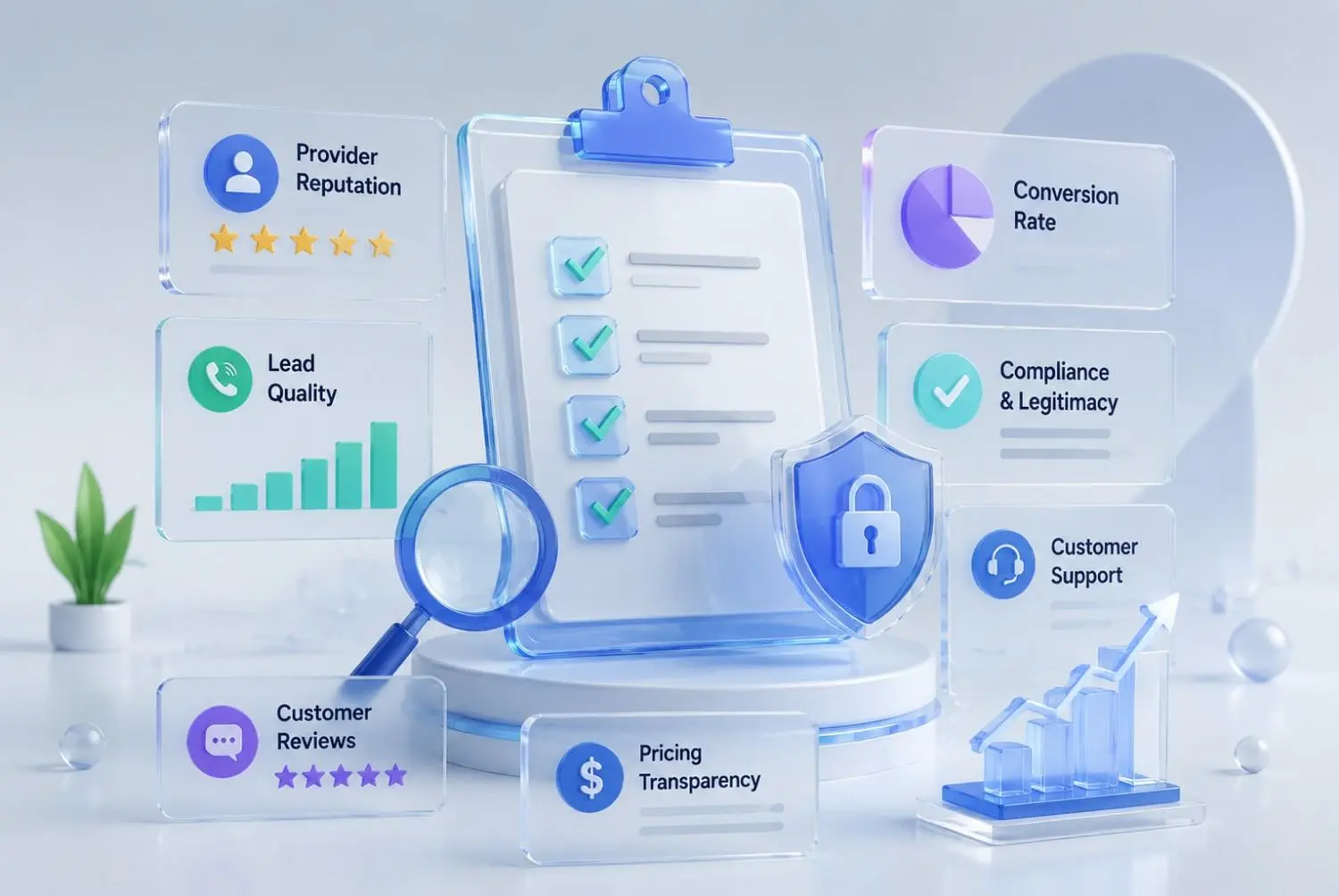
How to Evaluate a Locksmith Lead Provider
Evaluate a provider by checking their lead source, tracking system, and contract terms. This problem happens when locksmiths sign up fast without asking basic questions. A few minutes of due diligence saves months of wasted spend.
Good providers answer these questions without hesitation. Vague or defensive answers are a sign to walk away.
Check How and Where the Leads Are Generated
Ask directly where the leads come from, whether ads, SEO, or a shared network. The company should tell you clearly if leads come from Google, Facebook, or a directory site. Vague answers here usually mean recycled or low-quality traffic.
Reputable providers are proud of their sourcing and explain it openly.
Review Call Tracking Recording and Attribution
Call tracking lets you hear the actual customer call before disputing a lead. This gives you proof if a lead was a prank call or wrong number. Providers without call recording make disputes nearly impossible to win.
Always ask for access to your own call recordings. It’s a basic transparency feature, not a luxury add-on.
Check Lead Delivery and CRM Integration
CRM integration sends leads straight into your existing system automatically. This saves your team time and avoids leads getting lost in email inboxes. The system works by connecting your lead provider’s software directly to your CRM or phone system.
Manual lead entry causes delays, and delays kill conversion rates in emergency locksmith work.
Review Consumer Consent and Lead Generation Compliance
Compliance means the provider collected the lead legally, with proper consumer consent. This matters more than most locksmiths realize. Non-compliant leads can create legal exposure for your business down the line.
Ask if they follow TCPA rules for phone-based leads. A serious provider will have a clear answer ready.
Check Contract Terms Minimum Commitments and Cancellation Rules
Contract terms should spell out minimum spend, length, and how to cancel. Long-term contracts with no exit option are risky, especially when you’re still testing a new provider. Month-to-month terms protect you while you evaluate lead quality.
Read the fine print before signing anything. Ask specifically how much notice you need to cancel.
Review Lead Caps Budget Controls and Campaign Scheduling
Budget controls let you cap daily or weekly lead spend to avoid surprises. This gives you control over cash flow, especially during slow seasons. Lead caps also stop you from getting flooded with more jobs than your team can handle.
Good providers let you adjust these caps yourself, without waiting on customer support.
Red Flags to Watch for Before Buying Locksmith Leads
Red flags include guaranteed results, unclear sourcing, and weak refund policies. This problem happens when new locksmith owners get pulled in by big promises. Real performance marketing never guarantees outcomes, only process and effort.
I’ve seen these same red flags repeat across dozens of bad locksmith lead deals. Learn them once, and you’ll spot them everywhere.
Guaranteed Job or Conversion Claims
No honest provider can guarantee you’ll book every lead. Conversion depends on your pricing, your speed, and your sales skills too. Guarantees like this are usually a sign of exaggerated marketing, not real performance.
Walk away from any provider promising a fixed number of “guaranteed jobs.”
Unclear or Undisclosed Lead Sources
If a provider won’t say where leads come from, that’s a major red flag. This usually means the leads are recycled, scraped, or bought from a low-quality third party. Transparency about sourcing is a basic trust signal in this industry.
Recycled Aged or Duplicate Leads
Recycled leads are old contacts resold as new ones. This problem happens when providers reuse the same database across months or even years. Customers who already found a locksmith won’t respond well to another cold call.
Ask how “fresh” a lead needs to be before it’s considered new.
Hidden Fees and Long Term Contracts
Hidden fees show up as setup charges, platform fees, or minimum spend requirements. Read every line of a contract before signing. Long-term commitments without an exit clause trap you in a bad deal longer than necessary.
Weak Lead Dispute and Credit Policies
A weak dispute policy makes it nearly impossible to get credit for bad leads. If the process takes weeks or requires excessive proof, that’s designed to discourage disputes. A fair provider processes credits quickly and clearly.
How to Test Locksmith Leads Before Increasing Your Budget
Test any new provider with a small budget before committing to a bigger spend. This problem happens when locksmiths jump straight into a large monthly commitment. Testing first protects your cash flow and proves lead quality with real numbers.
I recommend every locksmith owner run a 30-day test before scaling any lead source.

Set a Test Budget and Lead Volume
Start with a small, fixed budget, enough for 15 to 20 leads. This gives you a real sample size without risking too much money. You can solve this by setting a hard budget cap in your provider’s dashboard.
Track Valid Invalid and Disputed Leads
Log every single lead as valid, invalid, or disputed from day one. A simple spreadsheet works fine for this. This data becomes your proof if you need to request credits later.
Track Calls Bookings and Completed Jobs
Track every call, every booking, and every completed job separately. These three numbers tell very different stories about lead quality. A high call count with low bookings points to a sales or pricing problem, not a lead problem.
Compare Cost Per Booked Job With Gross Margin
Compare your cost per booked job against your average gross margin per job. If the lead cost eats too much of your margin, the provider isn’t a fit yet. This single comparison tells you more than any sales pitch ever will.
Scale Pause or Adjust Based on Performance
Scale your budget only after your test period shows solid, profitable numbers. If results are weak, pause and ask the provider what changed on their end. Adjusting targeting or lead type sometimes fixes a struggling campaign fast.
Compare Purchased Locksmith Leads With Direct Paid Lead Generation
Purchased leads come from a third-party provider. Direct paid lead generation means you run your own campaigns. Both approaches work, but they fit different budgets and different levels of control. Understanding the tradeoffs helps you decide where to put your next marketing dollar.
Purchased Leads vs Google Local Services Ads
Google Local Services Ads let you pay per qualified lead directly through Google. This gives you more control than a third-party lead seller, plus a trusted “Google Guaranteed” badge. Purchased leads from outside providers can still work, but you lose some of that direct trust signal.
Google Advanced Verification for U.S. Locksmiths
Google requires locksmiths to pass Advanced Verification before running Local Services Ads. This process checks your business license, insurance, and background. It exists specifically because the locksmith industry has a history of lead scams and fake listings.
Completing this verification builds trust with customers searching for a locksmith near them.
Purchased Leads vs Google Search Ads
Google Search Ads let you target keywords directly, like “emergency locksmith near me.” You control the budget, the ad copy, and the landing page experience completely. Purchased leads hand off much of that control to a third party, trading control for convenience.
Key Takeaways
- Always confirm exclusivity before buying leads, since shared leads cut into your close rate and profit.
- Check for real-time delivery because a lead older than one minute converts far worse.
- Track cost per booked job, not just cost per lead, to know your real return.
- Test any new provider with a small budget of 15 to 20 leads before scaling up.
- Read the refund policy carefully, especially rules around invalid, prank, and out-of-area leads.
Frequently Asked Questions
Are locksmiths still in demand in the United States?
Yes, locksmiths stay in demand across the U.S. Homes, cars, and businesses always need locks. This steady demand makes it smart to buy locksmith leads and grow faster.
How much can a locksmith business make?
A locksmith business can earn strong income, and some owners reach six figures. Profit depends on lead quality, job type, and service area. Good leads boost your earning potential.
How much should a locksmith charge per hour?
Locksmiths usually charge based on job type, not just time. Rates vary by service and urgency. When you buy locksmith leads, pricing should match your local market rates closely.
How do I know if a locksmith lead source is reputable?
Check if the provider shows clear pricing, real reviews, and lead verification steps. A reputable source explains exactly how leads get generated before you buy locksmith leads from them.
Is locksmithing a good trade to invest in?
Yes, locksmithing offers steady work and flexible income. It’s a practical trade with real demand. Many owners buy locksmith leads to speed up growth instead of waiting on word of mouth.
Final Thoughts
Buying locksmith leads can grow your business fast, but only when you buy smart. Check exclusivity, verify lead accuracy, and confirm real-time delivery before you spend a dollar. Track your numbers from cost per lead all the way to cost per booked job. That discipline is what separates a profitable locksmith business from one stuck chasing bad leads.
If you want a partner who handles this the right way, Top7seven United States Performance Marketing Services builds locksmith lead campaigns with verified intent, exclusive delivery, and real tracking built in. We help locksmiths across the USA turn ad spend into booked jobs, not wasted calls. Let’s build a lead system that actually pays off, reach out to us today.