Finding drivers who need coverage is hard, but Auto Insurance Leads make that search easier. These records come from people seeking car insurance. They help agents reach active shoppers.
After 20+ years in lead generation, I’ve seen quality and speed drive results. A clear buying plan protects budgets and improves conversion.
This guide explains lead types, costs, compliance, providers, and sales steps. You’ll also learn how to generate prospects. Keep reading to strengthen your pipeline.
Quick Answer
Auto insurance leads are records from consumers seeking car insurance quotes or policy changes. They may include contact, vehicle, location, and coverage details. Agents buy or generate them, then contact each prospect with a relevant quote.
Why auto insurance leads are important
Auto insurance leads connect agents with people who may need coverage. They reduce time spent searching for unknown buyers. A steady flow also keeps the sales pipeline active.
Good leads support quotes, follow-ups, referrals, and cross-selling. They also help an insurance agent measure marketing performance. That insight guides future spending.
Why consumers continue to shop for auto insurance
Consumers keep shopping because rates, vehicles, households, and coverage needs change. Moves or new drivers can trigger fresh quotes. Poor service may also push customers away.
Shoppers compare bundles, deductibles, limits, and payment plans. Some want lower prices, while others want stronger protection. These needs sustain the auto insurance market.
What makes a high-quality auto insurance lead
A high-quality lead has clear intent, accurate details, and recent activity. The person should expect contact about a quote. Their location must match the agent’s area.
Strong leads include working contact details and useful vehicle information. Better data helps agents prepare relevant quotes. It also improves the first conversation.

Types of Auto Insurance Leads
Auto insurance leads come in several formats with different costs and sales risks. Each lead type fits a different budget and workflow. The right mix depends on staff, speed, and follow-up ability.
Real-Time / Live Leads
Real-time leads reach agents shortly after consumers submit quote requests. Fresh intent can support faster conversations and stronger contact rates. Confirm exclusivity, consent proof, submission time, and delivery speed before buying.
Exclusive Leads
Exclusive leads go to one agent or agency only. This removes direct vendor-side competition but raises the lead cost. Agents still need fast, helpful outreach because exclusivity never guarantees a sale.
Shared (Non-Exclusive) Leads
Shared leads go to several agents or agencies. Their lower price supports volume but creates direct competition. Agents need fast quoting, strong scripts, and a clear value message.
Aged Leads
Aged leads come from older consumer inquiries. They often cost much less than fresh records. However, buying intent may have weakened or changed.
These leads work best with patient nurturing. Use calls, emails, and respectful follow-ups. They can support new agents who need affordable practice and volume.
Inbound Calls
Inbound calls connect shoppers who actively call about coverage. These consumers often show strong intent because they start the conversation. Confirm billable durations, filters, recordings, and refund rules before buying.
Exclusive vs Shared vs Live Transfer Leads Comparison
Exclusive, shared, and live transfer leads differ in cost, competition, and workload. Exclusive leads reduce direct competition. Shared leads lower costs, while transfers create immediate conversations.
| Lead option | Competition | Agent effort | Intent | Best use |
| Exclusive | Low | Medium | High | Focused agencies |
| Shared | High | High | Medium | Fast teams |
| Live transfer | Low during call | Low dialing | Very high | Ready agents |
Cost Comparison
Shared leads usually cost less than exclusive leads or live transfers. Live transfers often carry the highest unit cost. They include contact work before the handoff.
Price alone should not guide the choice. Compare cost per sale instead. A cheap lead becomes expensive when nobody answers or buys.
Conversion Expectations
Live transfers usually offer the strongest immediate sales opportunity. Exclusive leads can also perform well with fast outreach. Shared and aged leads need more follow-up.
Avoid fixed conversion promises from providers. Results depend on filters, scripts, carriers, timing, and local pricing. Track your own close rate by source.
Best Fit for Different Agency Sizes
Small agencies often benefit from controlled exclusive lead volume. This approach limits competition and protects staff capacity. New agencies may also test aged leads carefully.
Larger teams can handle shared leads and live transfers at scale. They usually have more agents available. Their systems can route, call, and track leads quickly.
Common Generation Channels
Auto insurance leads come from search, comparison sites, social platforms, referrals, and local marketing. Each channel attracts shoppers with different intent levels. Agencies should track every source separately.

Comparison Engines & Aggregators
Comparison engines collect quote requests from consumers comparing several options. Aggregators then route or sell those records to agents. These leads can arrive as shared, exclusive, or transferred contacts.
Always review the form and consent language. Ask how many buyers receive each record. Also confirm whether filters happen before delivery.
Paid & Organic Search (PPC/SEO)
Paid search and SEO reach consumers actively seeking coverage. PPC creates faster traffic, while SEO builds long-term visibility. Use focused local pages that explain value before requesting contact details.
Social Media Advertising
Social ads create interest through targeted local campaigns. They may reach shoppers before they begin an active search. This can lower intent compared with search traffic.
Use simple offers and clear form language. Avoid vague promises about savings. Good screening questions can improve lead quality before delivery.
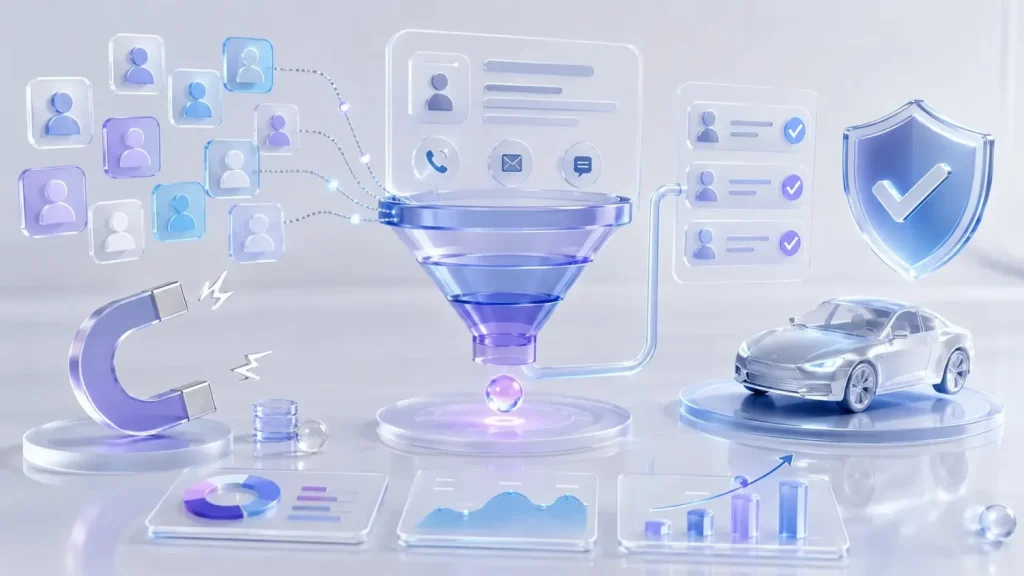
How Auto Insurance Leads Are Generated
Auto insurance leads start with consumer interest and end with agent delivery. Providers capture, filter, route, and send the data. Each step affects quality and compliance.
Consumer Intent
Consumer intent begins when someone requests quotes or coverage information. Strong intent usually follows a clear action. Examples include completing a quote form or calling an insurance line.
Weak intent may come from broad giveaways or unclear offers. Ask providers what attracted each prospect. The answer helps predict response quality.
Data Capture
Data capture collects details needed for quotes and contact. Forms may request names, phones, emails, vehicles, drivers, and ZIP codes. Clear forms explain contact expectations and preserve consent evidence.
Filtering & Routing
Filtering removes records that do not match buyer rules. Routing then sends qualified leads to the right agent. Common filters include state, ZIP code, vehicle, and coverage intent.
Poor routing wastes budget and agent time. Review rejected and replaced leads regularly. This step reveals weak filters or provider errors.
Delivery
Delivery sends leads through email, dashboards, APIs, CRMs, or phone transfers. Faster delivery matters most for fresh shared leads. Delays can reduce the chance of contact.
Ask providers for delivery timestamps. Connect delivery directly with your CRM. Automatic alerts help agents respond without checking several systems.
Overview of Lead Formats, Costs, and Close Rates
Lead formats differ by freshness, competition, price, and sales effort. The table shows useful planning ranges. Close-rate potential stays relative because agency results vary.
| Format | 2026 price examples | Freshness | Close potential | Main challenge |
| Aged lead | $0.50–$15 | Older | Low | Lower response |
| Shared web lead | $10–$45 | Fresh | Moderate | Competition |
| Exclusive web lead | $15–$120 | Fresh | Moderate to high | Higher cost |
| Live transfer | $45–$200+ | Immediate | High | Availability |
Published 2026 guides show wide differences across lead sources and formats. Auto-specific examples trend lower than broad insurance benchmarks. Use these figures for planning, not guaranteed quotes.
Auto Insurance Lead Pricing in 2026
Auto insurance lead pricing in 2026 varies by source, freshness, filters, and exclusivity. Aged records usually cost less. Exclusive leads and transfers cost more.
Geography can also affect pricing. Ask for a written rate card before starting. Budget around cost per bound policy, including labor and software.
Choosing the right auto insurance leads provider
The right provider offers clear sourcing, accurate filters, consent proof, and fair replacement rules. It should also explain delivery timing and buyer limits. Avoid vendors that hide basic details.
Start with a small test order. Track contact rate, quote rate, bind rate, and refunds. Expand only after the numbers support your goals.
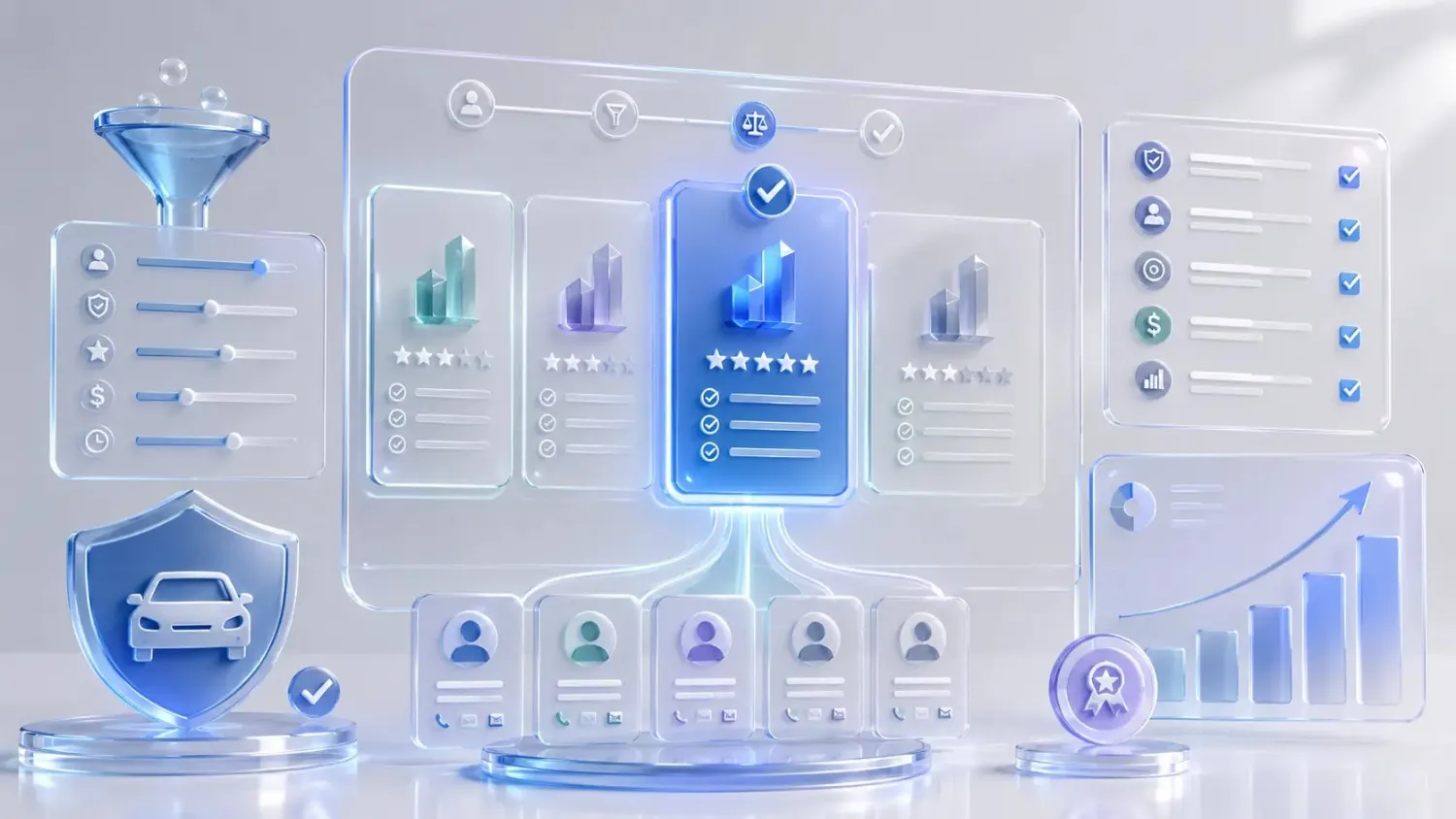
Questions to Ask Before Buying Auto Insurance Leads
Agents should ask direct questions before buying leads. The answers reveal quality, competition, and compliance risks. Written answers also reduce later disputes.
Are the Leads Exclusive or Shared?
You must confirm whether each lead goes to one buyer or several. This detail changes your speed needs and expected cost. It also affects your sales script.
Ask for the maximum buyer count. Do not accept vague terms like “limited shared.” Get the exact resale policy in writing.
How Fresh Is the Lead?
Lead freshness shows how long ago the consumer requested information. Fresh leads usually require immediate contact. Aged leads need longer nurturing.
Ask for the original submission timestamp. Also check whether the provider resells returned records. True age matters more than the delivery date.
What Replacement or Refund Policy Is Offered?
A replacement policy explains which bad leads receive credits. Common issues include wrong numbers, duplicates, and invalid locations. Each provider defines these issues differently.
Review deadlines and proof requirements. Some vendors require fast dispute filing. Train your team to flag problems inside the allowed window.
How to Evaluate Lead Quality Before Purchasing
Evaluate lead quality through geography, intent, contact accuracy, and consent records. A sample batch can reveal major weaknesses. Never judge quality from sales promises alone.
Geographic Accuracy
Geographic accuracy confirms that prospects fit your licensed service area. ZIP codes should match the consumer’s location. Compare submitted addresses carefully because mobile area codes may reflect older locations.
Coverage Intent and Buying Stage
Coverage intent shows what consumers want and when they may act. Quote requests usually show stronger intent than broad information forms. Useful fields include current coverage, vehicle details, and desired start dates.
Contact Information Accuracy
Accurate contact data gives agents a fair chance to reach each prospect. Invalid phones and emails quickly weaken campaign value. Repeated errors may show poor validation.
Ask whether the provider checks phone type and email format. Review duplicate rates too. Your CRM should block repeated records automatically.
Generating Your Own Auto Insurance Leads
Agencies can generate their own leads through SEO, PPC, referrals, partnerships, and local content. This path takes more setup but creates direct control. It also supports exclusive first-party relationships.
Build pages around clear local searches and customer needs. Partner with dealerships, lenders, and real estate professionals. Use helpful reviews, renewal reminders, and referral campaigns.
Critical Compliance Considerations
Compliance protects consumers, agencies, and long-term campaign value. Every agency should review federal and state rules before outreach. This guide is not legal advice. Legal counsel should review higher-risk dialing or texting programs.
TCPA Compliance
TCPA compliance governs many automated marketing calls and texts. Current federal rules address consent, opt-outs, caller practices, and consent revocation. Agencies must keep usable records for every campaign.
Current federal rules require callers to honor reasonable consent revocations within 10 business days. Review the calling method before choosing the applicable consent standard.
The One-to-One Consent Rule
The FCC’s planned one-to-one consent rule does not currently govern federal outreach. The Eleventh Circuit vacated that rule in January 2025. The FCC later removed the vacated rule text.
Still, seller-specific consent remains a safer operating practice. Name the agency clearly on forms. Keep timestamps, disclosures, source pages, and proof of each consumer action.
Do Not Call (DNC) Scrubbing
DNC scrubbing removes protected numbers before covered telemarketing calls. The FTC requires covered sellers and telemarketers to update lists every 31 days. Agencies must also honor internal do-not-call requests.
Do not rely only on a vendor’s claim. Keep your own suppression list. Review state rules because some states add separate duties.
Best Practices for Conversion
Strong conversion comes from speed, accurate data, helpful conversations, and steady follow-up. The best process feels organized, not aggressive. Each contact should solve a clear customer need.
Speed to Lead
Speed to lead means contacting fresh prospects quickly. Shared leads lose value when several agents call. Use automatic assignments, alerts, and permitted follow-ups while honoring every opt-out.
Multi-Channel Cadence
A multi-channel cadence combines calls, emails, and permitted texts. It gives busy shoppers several ways to reply. The sequence should stay respectful and useful.
Plan follow-ups across several days. Change the message instead of repeating the same pitch. Offer quotes, coverage help, and simple next steps.
Data Verification
Data verification checks details before agents quote or contact prospects. This reduces wasted calls and wrong assumptions. It also improves customer trust.
Confirm names, vehicles, ZIP codes, and preferred contact methods. Correct records during each conversation. Do not overwrite original consent evidence.
Strategies to Convert Auto Leads
Agents convert more auto leads by creating clear value and tracking every outcome. Fast quotes help, but trust often closes the policy. Customers need simple explanations and honest choices.
Focus on Cross-Selling
Cross-selling adds related coverage when it truly helps the customer. Home, renters, umbrella, and roadside options may fit some households. Bundles can also simplify service.
Start with the customer’s main auto need. Then ask about gaps or other policies. Avoid pushing products that do not support their goals.
Track Lead ROI
Lead ROI shows which sources create profitable policies. Track total spend against bound premium, commission, retention, and labor. Cost per lead alone can mislead.
Tag every source inside your CRM. Review results by vendor, ZIP code, agent, and lead type. Pause weak sources and scale proven ones.
Mistakes to Avoid When Buying Auto Insurance Leads
The biggest mistakes involve cheap data, weak compliance, and slow response. These errors waste budget before agents can sell. A written process prevents many problems.

Choosing Price Over Quality
Choosing only the lowest price often produces weak contact and low intent. Cheap records may require more labor. They may also create more disputes.
Compare cost per quote and cost per bound policy. Run small tests before buying volume. Quality should support profit, not just activity.
Ignoring Compliance Requirements
Ignoring compliance can create legal, financial, and brand risks. Vendors do not remove your responsibility. Agencies should verify consent and suppression practices themselves.
Request source URLs and consent evidence. Keep records with each lead. Ask counsel to review campaigns that use automated calls or texts.
Failing to Respond Quickly
Slow response gives competitors more time to reach the shopper. This problem hurts fresh and shared leads most. It also reduces the value of real-time delivery.
Use rotating assignments and missed-call alerts. Set coverage during lunch and busy hours. Buy only the volume your team can handle.
Why Auto insurance agencies choose Top7seven
Auto insurance agencies choose TOP7SEVEN for focused lead generation support. Agencies need clear targeting, responsive service, and measurable delivery. TOP7SEVEN helps align campaigns with those goals.
Start with defined locations, budgets, lead formats, and staff capacity. Those details shape a practical campaign. Results still depend on sales skill, pricing, compliance, and speed.
Frequently Asked Questions
Are auto insurance leads worth buying?
Auto insurance leads can be worth buying when quality and follow-up support profitable sales. Test a small batch first. Track cost per bound policy before scaling.
How many leads do new agents need?
New agents need only the volume they can contact quickly and follow consistently. Start small and measure results. Increase volume after the process becomes reliable.
How quickly should you contact a new lead?
Contact a new lead as soon as your team can respond helpfully. Fresh shared leads need the fastest action. Use automated alerts and clear agent ownership.
Can agencies buy leads by ZIP code?
Yes, many providers allow ZIP code or regional filters. Confirm accuracy, minimum orders, and licensing limits. Ask whether pricing changes in competitive areas.
Key Takeaways
- Match each lead type to your staff capacity.
- Compare cost per policy, not cost per lead.
- Verify freshness, filters, consent, and refund rules.
- Respond quickly with a respectful follow-up plan.
- Track every source inside your CRM.
Final Thoughts
Auto insurance leads connect agents with consumers seeking quotes or coverage changes. Their value depends on intent, accuracy, freshness, and delivery. The right format should match your budget and team.
Start with clear filters and a small test. Track contact, quote, bind, and refund results. Keep consent records and review compliance before every campaign.
TOP7SEVEN serves agencies from 4878 Nickel Road, El Monte, CA 91731. Call (209)-655-3042 or email contact@top7seven.com. We can help you choose the right lead solution, so contact us today.