Final expense leads connect agents with people seeking help for end-of-life costs. Final Expense Leads usually come from seniors requesting information about small life insurance policies. These prospects want clear answers, fair prices, and respectful support.
For more than 20 years, I’ve seen good leads shorten difficult sales cycles. They help agents avoid random cold calls and focus on interested buyers. The right lead source can also create a steadier sales pipeline.
This guide explains lead types, pricing, tracking, compliance, and follow-up. You’ll learn how to choose leads that fit your budget and team. Keep reading to build a safer, stronger final expense sales process.
Quick Answer
Final expense leads are people who requested information about burial or funeral insurance. Most prospects are seniors between ages 50 and 85. Agents receive these leads through mail, websites, calls, or ads. Strong leads include accurate contact data, clear consent, and enough details for proper follow-up.
What are final expense leads?
Final expense leads are prospects interested in insurance for funeral and burial costs. A final expense lead may request a quote, call an advertisement, or return a mail card. Agents then contact that person and explain suitable coverage choices.
Final expense insurance is usually a small whole life policy. These policies often offer death benefits from $2,000 to $35,000. They aim to cover funeral expenses and other end-of-life costs.
Why final expense leads are important
Final expense leads help agents reach people already considering coverage. This interest saves time and reduces dependence on cold prospecting. It also gives agents a clearer path toward consistent insurance sales.
Strong lead flow supports steady appointments, follow-ups, and applications. It can help replace canceled policies and future chargebacks. Good leads also let agents plan weekly activity with less guesswork.
Who Uses Final Expense Leads?
Independent agents, agencies, call centers, and insurance teams use final expense leads. These groups need a reliable flow of senior prospects. They use leads to sell final expense insurance by phone or in person.
Some agents work alone and buy smaller lead batches. Larger agencies may use dialers, CRMs, and dedicated appointment setters. Each group should match its lead type with its sales capacity.
Core Characteristics of Buyers
Final expense buyers usually want simple coverage for predictable end-of-life needs. Many have limited savings or do not want family members paying costs. They often value easy applications, fixed premiums, and clear explanations.
Age Range
Most final expense prospects are seniors between ages 50 and 85. This range matches common policy eligibility and consumer demand. Some providers may offer different age limits based on carrier rules.
Financial Goal
The main financial goal is protecting family members from final expenses. Buyers often want funds for burial, funeral, or small unpaid bills. They usually seek affordable coverage rather than a large estate plan.
Policy Type
Most buyers consider a small whole life insurance policy. This coverage usually stays active when premiums remain paid. Some applicants may need simplified or guaranteed issue options.
Primary Motivation
The main motivation is peace of mind for loved ones. Buyers want to reduce stress during an already painful time. Adult children may also help parents compare burial insurance choices.

The Importance of Reaching the Right Seniors
Reaching the right seniors improves trust, efficiency, and policy fit. A strong prospect matches the age, location, budget, and carrier requirements. This fit helps agents avoid wasted calls and unsuitable quotes.
A high-quality lead should include accurate contact and personal details. Useful fields include name, phone, address, birth date, and budget range. These details support faster quotes and better conversations.
GUARANTEED ISSUE
Guaranteed issue coverage accepts eligible applicants without health questions. It serves people who may not qualify for simplified underwriting. These policies can include waiting periods and higher costs.
Agents should explain every limit in simple language. Buyers must understand benefit timing, premiums, and policy terms. Clear explanations build trust and reduce future complaints.
Types of Final Expense Leads
Final expense leads come from mail, websites, calls, and older databases. Each source offers different costs, speed, and buyer intent. Agents should choose sources that match their sales style.
Direct Mail Leads
Direct mail leads come from returned postcards or mailed request forms. Seniors complete the form after seeing a burial insurance offer. These leads often support local, face-to-face selling.
Mail leads can feel familiar and comfortable to older buyers. However, delivery and response times can slow contact. Agents should call quickly after receiving each response.
Digital/Web Leads
Digital leads come from websites, search ads, or social media forms. Platforms like Facebook and Instagram can reach seniors and adult children. These leads may arrive in real time after form submission.
Digital forms can collect useful quoting information. Yet poor targeting may create weak or inaccurate inquiries. Agents should review the ad source and landing page before buying.
Live Transfers / Inbound Calls
Live transfers connect agents with interested callers in real time. A caller may respond to television, search, or digital advertising. The lead provider then transfers that person to an available agent.
These leads carry strong intent because the prospect chose to call. Agents must answer quickly and guide the conversation clearly. Missed calls can waste expensive opportunities.
Aged Leads
Aged leads are older inquiries that previous agents did not close. They usually range from 30 to 180 days old. These leads cost less and support high-volume calling.
Aged final expense leads may need more patience and nurturing. Prospects may have forgotten the request or spoken with others. A clear reminder can reopen the conversation.
Exclusive vs. Shared Leads
Exclusive and shared leads differ mainly by competition and price. Exclusive leads go to one buyer, while shared leads reach multiple agents. Your sales speed and budget should guide the choice.
Exclusive
Providers sell exclusive leads to one agent or agency. This setup removes immediate competition from other buyers. It can support calmer follow-up and stronger relationship building.
Exclusive final expense leads usually cost more than shared leads. They still require fast contact and good sales skills. Exclusivity never guarantees a sale.
Shared
Providers send shared leads to multiple agents at once. They cost less but create strong competition. Fast speed-to-dial becomes critical.
Agents should use a clear opening and repeated follow-up. Slow contact often lets another agent win the prospect. Shared leads work best with disciplined systems.
Fresh vs. Aged Final Expense Leads: Key Differences
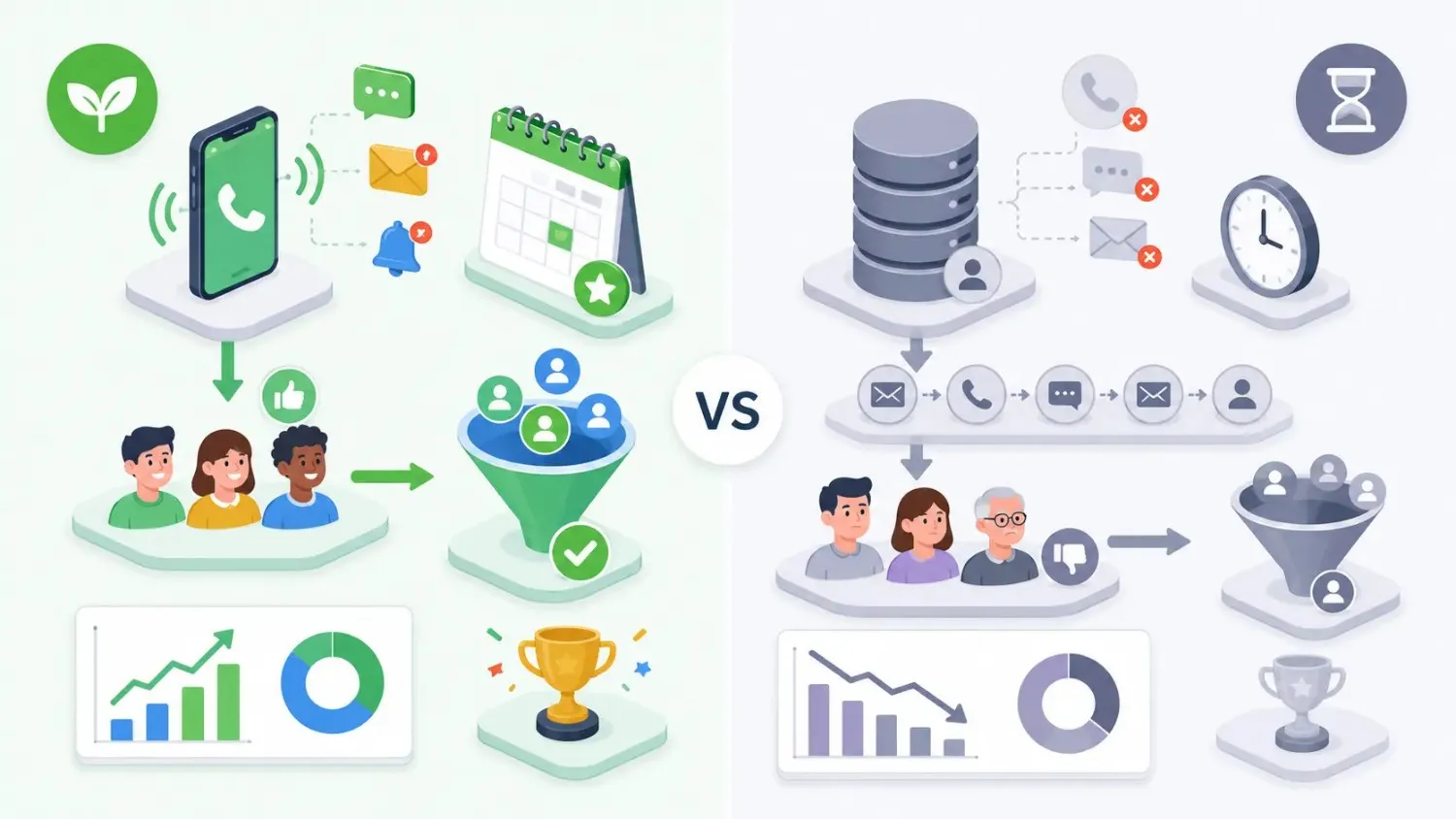
Fresh leads offer stronger intent, while aged leads offer lower costs. Fresh inquiries arrive near the prospect’s first request. Aged inquiries need more calling and patient follow-up.
| Factor | Fresh Leads | Aged Leads |
| Delivery | Real time or near real time | Usually 30 to 180 days later |
| Buyer intent | Often higher | Often lower or uncertain |
| Competition | Depends on exclusivity | May include prior agent contact |
| Cost | Higher | Often $0.50 to $2.00 |
| Best use | Fast response teams | High-volume outbound teams |
Fresh leads suit agents who can call within minutes. Buying aged leads suits teams with dialers and strong scripts. Both types can work with careful tracking.
Expected Costs in 2026
Lead costs in 2026 depend on source, age, exclusivity, and intent. Only aged lead pricing has a fixed range in the supplied data. Other lead types require current provider quotes.
| Lead Type | Expected Cost Guidance | Main Cost Driver |
| Aged leads | $0.50 to $2.00 each | Lead age and data quality |
| Fresh web leads | Provider quote needed | Real-time delivery and exclusivity |
| Direct mail leads | Campaign quote needed | Printing, postage, and response rate |
| Live transfers | Provider quote needed | Call intent and qualification |
| Shared leads | Usually lower than exclusive | Number of agents receiving the lead |
| Exclusive leads | Usually higher than shared | Single-agent access |
Agents should compare cost per sale, not only cost per lead. A cheaper lead can cost more after wasted labor. Track total spending against issued and paid policies.
Choosing the right final expense leads provider
The right provider offers clear sourcing, accurate data, and proven consent records. It should explain where each insurance lead came from. It should also show how the prospect gave permission.
Look for active phone numbers and complete customer details. Ask whether leads include TrustedForm or Jornaya certificates. Source transparency helps agents adjust scripts and reduce compliance risk.
Questions to Ask Before Purchasing Final Expense Leads
Ask clear questions before signing any lead agreement. These answers reveal quality, competition, refund rules, and compliance support. They also protect your return on investment.
Ask how the provider generates and verifies each lead. Confirm whether leads are exclusive, shared, fresh, or aged. Also ask about filters, replacements, delivery timing, and cancellation terms.
Common Challenges When Buying Final Expense Leads
Common problems include bad data, slow contact, shared competition, and weak consent records. These issues can waste money and hurt agent morale. They can also create legal risk.
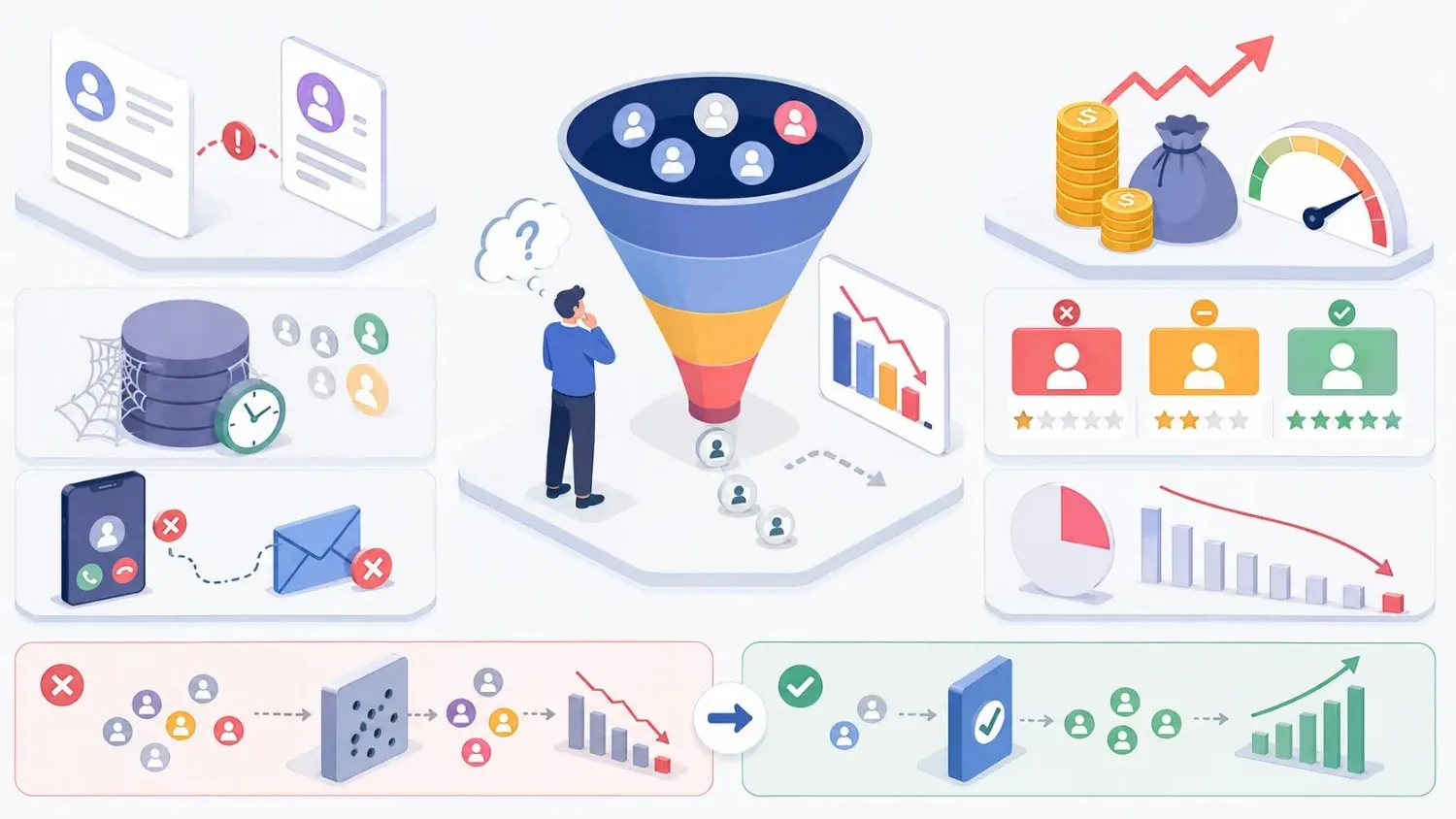
One mistake people make is judging leads after only a few calls. Another mistake is ignoring source details and lead age. A better approach tests enough volume and tracks each result.
Maximizing ROI with Aged Final Expense Leads
Aged leads produce better returns through volume, structure, and repeated contact. Their low price allows agents to test more conversations. Success still requires steady dialing and smart follow-up.
Use a short reminder about the prospect’s earlier request. Try different call times and leave respectful messages. Nurture leads through calls, texts, and approved email follow-up.
The supplied benchmark targets roughly 5% to 7% conversion. It also suggests keeping acquisition costs at $250 or less. Treat these numbers as goals, not guarantees.
Which Final Expense Lead Metrics Should You Actually Track?
Track metrics that connect lead activity with paid business. Useful measures include contact rate, quote rate, application rate, and placement rate. Also track cost per acquisition and chargebacks.
Measure results by source, lead age, agent, and campaign. This breakdown shows which leads actually convert. It also reveals training or follow-up gaps.
Your Action Plan for Organizing Lead Data
Organize lead data inside one CRM or tracking system. Give every record a source, date, status, owner, and next action. This structure keeps prospects from disappearing.
Create simple stages for new, contacted, quoted, applied, and closed leads. Add notes after every call or message. Review the pipeline daily and clean duplicate records.
Are You Making These Lead Tracking Mistakes?
Poor tracking hides profitable sources and weak sales habits. Common mistakes include missing notes, unclear statuses, and no follow-up date. These gaps make good leads look bad.

Agents also mix fresh and aged leads inside one report. That mistake creates unfair comparisons. Separate each lead type and measure results over enough volume.
TCPA and DNC Compliance: The Non-Negotiables
TCPA and DNC rules must guide every outreach process. Agents need clear consent records and careful calling practices. They should also respect applicable calling restrictions.
Use providers that document how each prospect entered the system. Keep certificates, source pages, dates, and consent language. Seek qualified legal guidance for your specific campaigns. This section gives general information, not legal advice.
Key Takeaways
- Match lead types with your budget and sales capacity.
- Verify source data, consent records, and contact accuracy.
- Track cost per sale, not only lead price.
- Follow up quickly and consistently.
- Separate fresh, shared, exclusive, and aged results.
Final Thoughts
Final expense leads connect agents with seniors seeking burial insurance help. The best results come from accurate data, clear consent, and steady follow-up. Agents should choose lead sources that match their daily sales process.
Fresh leads reward speed, while aged leads reward volume and patience. Exclusive leads reduce competition, while shared leads reduce initial cost. Careful tracking shows which option creates profitable policies.
Top7seven is a trusted lead generation service provider for USA insurance teams. Visit 4878 Nickel Road, El Monte, CA 91731. Call (209)-655-3042 or email contact@top7seven.com. We can help you build a stronger pipeline, so contact us today.
FAQ
What are final expense leads?
Final Expense Leads are people who asked for information about burial insurance. They may request a quote online, by phone, through mail, or from an ad.
What are the best final expense leads?
The best final expense leads are fresh, accurate, and properly consented. They include a working phone number, age, location, budget, and clear buying interest.
How do I generate my own final expense leads?
Agents can generate leads through Facebook ads, Google search, direct mail, referral programs, and helpful website content. Use simple forms and follow up quickly.
Is buying final expense leads worth it?
Buying leads can be worth it when agents track costs, contact prospects fast, and follow up often. Test small batches before raising your weekly budget.
Is final expense insurance hard to sell?
Final expense insurance can be hard to sell without trust and follow-up. Clear scripts, careful listening, honest advice, and steady calling make the sales process easier.