Live transfer calls connect a locked-out customer straight to your phone, in real time, while they still need help. No web form. No waiting. The phone rings, you answer, and a stranded driver or homeowner is already on the line. If you run a locksmith business, you know the pain of missing that call. Someone locked out of their car at 2 a.m. will not wait around. They call the next number on the list.
I have spent over 20 years in performance marketing, and locksmith clients ask me the same question every week: “Why do my leads feel cold?” The answer is usually simple. Web form leads sit for hours before anyone follows up. Locksmith live transfer calls skip that gap entirely. The customer is qualified, ready, and on the phone before they can call a competitor.
In this guide, you will learn exactly how live transfer leads move from a Google search to your phone. You will see what separates a good provider from a bad one. And you will walk away knowing what to check before you spend a single dollar on pay per call locksmith leads.
Quick Answer
Locksmith live transfer calls work by routing a qualified, ready-to-hire customer straight to your phone in real time. A prospect searches online, an IVR system screens the call, then the system connects them to you live. Buyers should expect exclusivity, a 30–60 second buffer window before billing starts, and conversion rates between 30–50%. Always confirm geographic accuracy and refund policy before buying.
What Are Locksmith Leads?
Locksmith leads are potential customers actively searching for lock and key help. They might be locked out, need a rekey, or lost their car key. Not all leads are equal. Some are hot and ready. Others are just browsing.
Understanding the lead types helps you spend your marketing budget the right way. A locked-out driver at midnight behaves very differently than a homeowner planning a rekey next week.
Types of Locksmith Leads (Emergency, Residential, Commercial, Automotive)
Locksmith leads fall into four main buckets. Each one needs a different response speed and sales approach.
- Emergency lockout leads — home, car, or business lockouts. These need action in minutes, not hours.
- Residential leads — rekeying, lock installs, smart lock upgrades. Less urgent, more planning involved.
- Commercial leads — office lock systems, master key setups, access control. Longer sales cycles, bigger tickets.
- Automotive leads — car lockouts, key fob programming, ignition repair. Often tied to a car lockout in a parking lot.
An emergency lockout call converts fast because the customer needs help right now. A commercial job might take weeks to close.
Lead Sources Overview (Organic, Paid, Referral, Directory, Live Transfer)
Locksmith leads come from five main channels. Each source has a different cost, quality, and speed.
Organic search leads come from your website ranking on Google. They cost nothing per lead but take months to build. Paid ads bring leads fast but cost more per click. Referrals come from happy past customers and close at high rates. Directory leads come from sites like Angi or Thumbtack, often shared with several buyers. Live transfer leads are the fastest of all — the customer lands on your phone, not your website.
Local SEO for Locksmith Lead Generation
Local SEO puts your locksmith business on the map when someone nearby searches for help. It builds long-term, low-cost lead flow that compounds over time.
Ranking locally takes work, but it pays off. A strong local presence means your phone rings for free searches, not just paid ones.

Optimizing Your Google Business Profile for Local Search
Your Google Business Profile is often the first thing a stranded customer sees. This problem happens when locksmiths skip filling it out completely.
Fill in every field. Add your service area, hours, and photos of your van or storefront. Pick the right categories, like “Locksmith” and “Emergency Locksmith Service.” Respond to every review, good or bad. Google rewards active, complete profiles with better local rankings.
Local Citations & NAP Consistency
NAP consistency means your Name, Address, and Phone number match everywhere online. This problem happens when a locksmith changes phone numbers but forgets to update old directories.
Mismatched information confuses Google and hurts your rankings. Customers struggle with trust when they see two different phone numbers for the same business. Check Yelp, Bing, Apple Maps, and local directories. Fix any listing that does not match your website exactly.
City- and State-Specific Landing Pages
City pages help you rank in every town you serve, not just your home base. You can solve this by building one page per major city or zip code.
Each page should mention the city name, local landmarks, and specific services offered there. A locksmith serving Dallas, Fort Worth, and Arlington needs three separate pages, not one generic page. This also supports state licensing disclosures required in many states.
Generating and Managing Customer Reviews
Reviews build trust before a locksmith customer even picks up the phone. They also push your Google Business Profile higher in local search results.
Ask every happy customer for a review right after the job. Send a text link within an hour of finishing the work. Reply to negative reviews calmly and offer to fix the issue. A steady stream of five-star reviews turns browsers into callers.
Paid Advertising for Locksmith Leads
Paid ads put your number in front of customers the moment they search for help. They cost more than SEO but deliver results immediately.
Speed matters most in the locksmith trade. A customer locked out right now will not wait for organic rankings to kick in.
Google Local Services Ads (LSA)
Local Services Ads show your business at the very top of Google, above regular ads. You pay per lead, not per click, which protects your budget.
LSAs require a background check and license verification, which builds trust fast. Customers see your rating, reviews, and a Google Guaranteed badge. This badge alone can double your conversion rate compared to standard search ads.
Google Search Ads (PPC)
PPC ads target customers typing “locksmith near me” or “car lockout help” right now. You control the budget, keywords, and ad copy directly.
Locksmith ppc management takes constant attention. Bids shift by time of day, city, and competition. Night and weekend clicks often cost more because emergency demand spikes then. A poorly managed campaign burns cash fast on clicks that never call.
Facebook & Social Media Ads
Facebook ads work best for residential and commercial jobs, not emergencies. People rarely scroll social media during a lockout crisis.
Use Facebook to promote rekeying specials, smart lock installs, or seasonal offers. Target homeowners in your service area by age and interests. This channel builds brand awareness that supports your other lead sources.
Locksmith Lead Aggregators & Directories
Directories like HomeAdvisor and Angi sell locksmith leads to multiple businesses at once. This problem happens when five locksmiths race to call the same customer first.
Directory leads can work, but they come with real drawbacks worth knowing upfront.
HomeAdvisor, Angi, Thumbtack & Similar Platforms
These platforms collect customer requests and sell them to several locksmiths in your area. The customer picks whoever calls back first, which creates a race.
You pay per lead whether you win the job or not. Response speed becomes everything. A locksmith who calls back in two minutes beats one who waits twenty.
Evaluating Directory Lead Quality
Not every directory lead turns into a real job. Customers struggle with directory sites that send the same request to too many businesses.
Track your close rate from each platform for at least 60 days. Compare cost per lead against cost per booked job, not just cost per lead. A cheap lead that never books is more expensive than a costly one that closes.
How Live Transfers Work
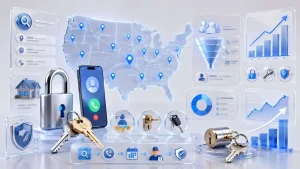
Live transfers connect a screened, ready-to-hire customer to your phone in real time, during the exact moment they need help. This is the fastest lead type in the entire locksmith industry.
Here is exactly how the process moves, step by step.
Ad-Driven Prospect Initiation
The process starts when a stranded customer searches online for immediate help. A locked-out homeowner, driver, or business owner types “emergency locksmith near me” into Google or clicks a local service ad. This is the moment of highest intent — they need a locksmith now, not next week.
Inbound Call Routing
The customer dials a tracking number managed by the lead generation network. This number is not your direct line. It belongs to the marketing agency running the campaign, which lets them track and route every inbound call.
Pre-Qualification & Screening (IVR)
An automated IVR system screens the call before it ever reaches you. The system verifies the caller’s location, confirms they actually need locksmith service, and filters out spam or wrong numbers. This step protects buyers from paying for junk calls.
Standard vs. Call-Matched Transfers
Standard transfers send the call to any available buyer in the area. Call-matched transfers use zip code or county data to send the call to the closest, most relevant locksmith. Call-matched transfers cost more but convert at a higher rate because the customer is a tighter geographic fit.
The Live Transfer Connection
The system dynamically dials the buyer’s phone lines the moment the call qualifies. It rings through your business number just like a normal incoming call. Speed here matters — a slow answer means a lost customer and a wasted ad dollar.
Closing the Deal
The locksmith answers, and the system bridges the caller directly onto the line. This is where sales skill takes over. The technician confirms the address, gives a fair price estimate, and dispatches help. A confident, calm voice on this call often decides whether the job books or not.
What Buyers Should Expect
Buyers should expect real variation in call quality, exclusivity terms, and response windows across different providers. Not every vendor runs the same playbook.
I have seen locksmith owners get burned by assuming all providers work the same way. They do not.
Quality Variance Across Providers
Call quality swings widely between lead generation companies. Some run tight IVR screening. Others push volume over accuracy, sending calls that never should have qualified. Ask any provider for a sample call recording before you commit budget. A quick listen tells you more than any sales pitch.
Exclusivity
High-quality live transfers connect the caller to one buyer only. This eliminates the race-to-dial problem that plagues shared web leads. Exclusivity is the biggest reason live transfers convert better than directory leads. You are not competing with four other locksmiths for the same customer.
Fast Response Windows (Buffer/Greenspan Time)
Most providers offer a 30 to 60 second buffer, sometimes called greenspan time, before billing kicks in. This protects you if the call disconnects early, drops, or turns out to be a wrong number. Buyers are not billed if the call disconnects before that threshold. Always confirm this window in writing before buying.
Core Cost and ROI Factors
Locksmith live transfer pricing runs on a pay-per-call model, and cost swings by market and time of day. Understanding these numbers protects your margin.
Pricing Models & Cost per Call
Most providers charge per connected call, not per click or impression. Cost varies by geographic competition and time of day. Night and weekend emergency calls often carry a premium price, sometimes double the daytime rate, because demand spikes and fewer locksmiths are working.
Conversion vs. Disconnect Rates
Some calls will not convert, and that is normal, not a red flag. Expect a baseline percentage of calls to fall outside your scope — think safe cracking, transponder programming, or an address outside your radius. Setting strict filtering rules with your vendor cuts this waste significantly. I always tell clients to track this number monthly, not just once.
What Buyers Must Evaluate Before Purchasing
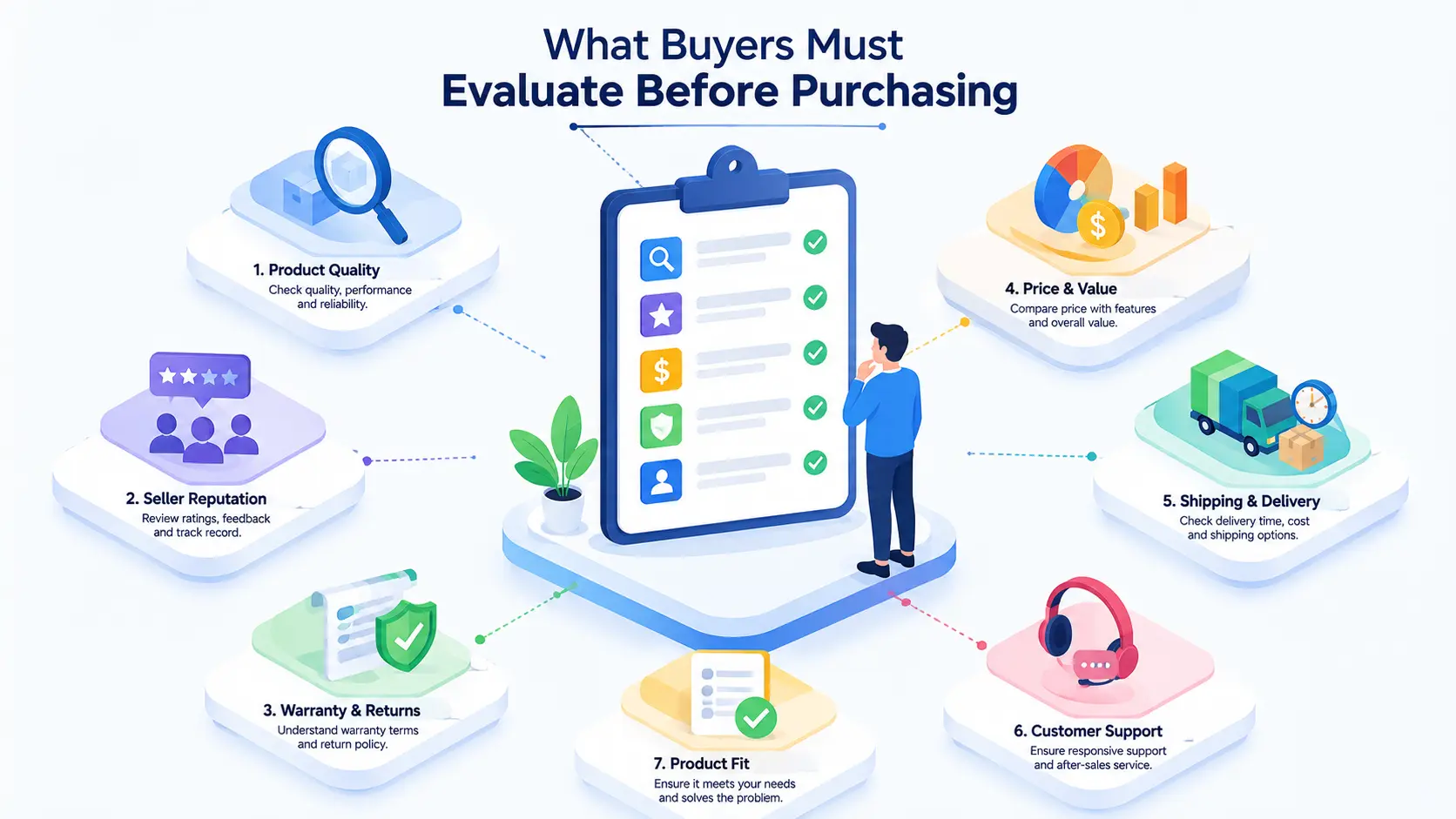
Before buying live transfer leads, check geographic accuracy, your team’s capacity, and the refund policy. Skipping this step is the most common mistake I see.
Geographic Match Accuracy
Geographic accuracy means the vendor filters calls by your exact service radius. This problem happens when a provider uses loose city-wide targeting instead of zip code precision. Ask exactly how they define your service area — by zip, city, or county boundary.
Concurrency & Capacity
Concurrency means your team can handle multiple calls at once without missing one. A missed emergency call sends the customer straight to a competitor. If your dispatcher cannot answer within three to four rings, you lose the job. Match your call volume to your actual staffing before scaling up.
Dispute and Refund Policies
A solid refund policy credits your account for spam, wrong numbers, or out-of-territory calls. Get this in writing before you pay for a single call. Ask specifically what counts as a “billable call” versus a disputed one. Vague policies almost always favor the vendor, not you.
Comparing Locksmith Lead Generation Methods
Each lead type fits a different budget, goal, and risk level. Here is how they stack up side by side.
| Lead Type | Exclusivity | Speed | Avg. Conversion | Best For |
| Live Transfer | Exclusive | Instant | 30–50% | Emergency, high-intent jobs |
| PPC / Search Ads | Exclusive | Fast | 15–25% | Steady, scalable volume |
| Directory Leads | Shared | Slow-moderate | 5–15% | Filling slow days, low budget |
Live Transfers vs. PPC Leads
Live transfers skip the click entirely and hand you a ready customer on the phone. PPC leads still require the customer to click, browse, and call on their own. Live transfer leads convert higher because the person is already screened and waiting.
Live Transfers vs. Directory Leads
Live transfers are exclusive to you; directory leads are shared with competitors. Directory sites send the same request to multiple locksmiths, creating a race to call back first. Live transfers remove that race completely, since the call already rings your phone directly.
Managing and Converting Locksmith Leads
Great leads still need a strong system behind them to actually close. The best lead in the world falls apart without fast, organized follow-up.
CRM & Follow-Up Systems for Locksmiths
A CRM tracks every lead, call, and job from start to finish. This problem happens when locksmiths rely on sticky notes or memory instead of a real system. Set up automatic text confirmations, appointment reminders, and follow-up sequences for quotes that did not book right away.
Training Dispatchers to Close Incoming Calls
Your dispatcher’s tone on the phone directly affects your close rate. Customers struggle with vague pricing and slow answers during a stressful lockout. Train your team to confirm location fast, quote a clear price range, and set arrival time expectations immediately.
Speed-to-Lead Best Practices
Speed-to-lead means how fast you respond after a call or lead comes in. Studies across service industries show response within five minutes dramatically increases booking rates. Locksmith customers, especially emergency callers, will call the next number if you do not answer quickly.
State Licensing & Compliance for Locksmith Advertising
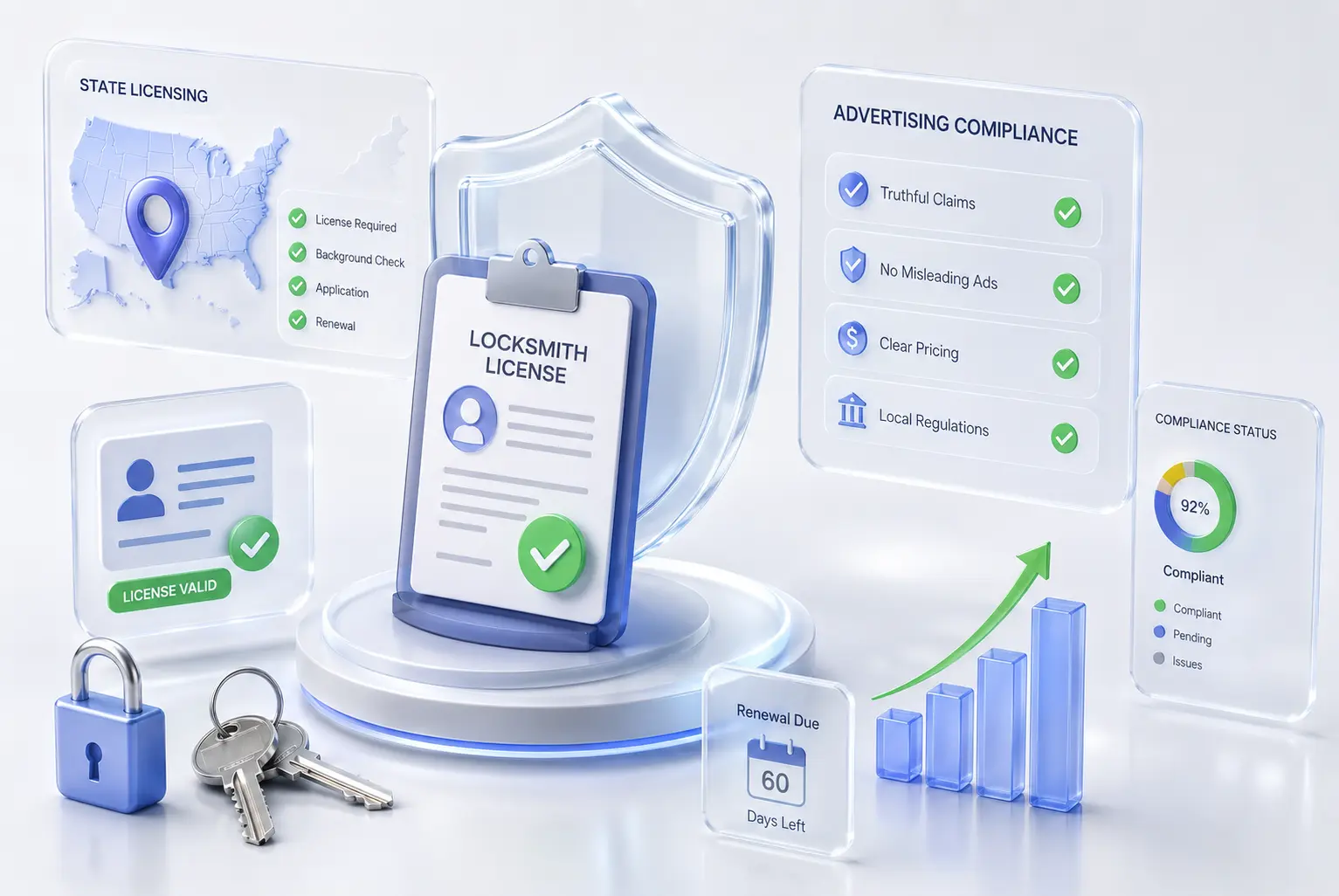
Most states require a valid locksmith license before you can legally advertise services. Ignoring this rule risks fines and account suspensions on major ad platforms.
State-by-State Locksmith Licensing Requirements
Licensing rules vary widely across the United States. States like California, Texas, and New Jersey require formal licensing and background checks. Other states have no licensing requirement at all. Check your specific state licensing rules before running any paid campaign, since platforms like Google now verify locksmith credentials directly.
Trust Signals That Improve Lead Conversion (License #, Insurance, BBB)
Trust signals reassure a stressed customer that you are legitimate. Display your license number, insurance coverage, and BBB rating clearly on your website and ads. A legitimate locksmith with visible credentials converts better than one hiding behind a generic phone number.
Measuring Lead Generation ROI
Tracking ROI means comparing what you spend against what you actually earn from booked jobs. Without this data, you are guessing, not marketing.
Key Metrics to Track (Cost per Job, Close Rate)
Cost per job and close rate are the two numbers that matter most. Track them weekly by lead source. A channel with a low cost per lead but poor close rate might actually cost more per booked job than a pricier one.
Cost-per-Lead by Channel (Benchmark Table)
| Channel | Typical Cost per Lead | Notes |
| Live Transfer | $20–$50 | Higher cost, higher close rate |
| Google LSA | $15–$40 | Pay per qualified lead |
| PPC / Search Ads | $10–$30 | Cost varies by market |
| Directory Leads | $5–$20 | Shared, lower close rate |
Attribution Across Multiple Channels
Attribution means knowing exactly which channel booked each job. Use call tracking numbers for every source, including your website, ads, and directories. Without proper call tracking, you cannot tell which dollars are actually working for you.
Choosing the Right Lead Generation Mix for Your Locksmith Business
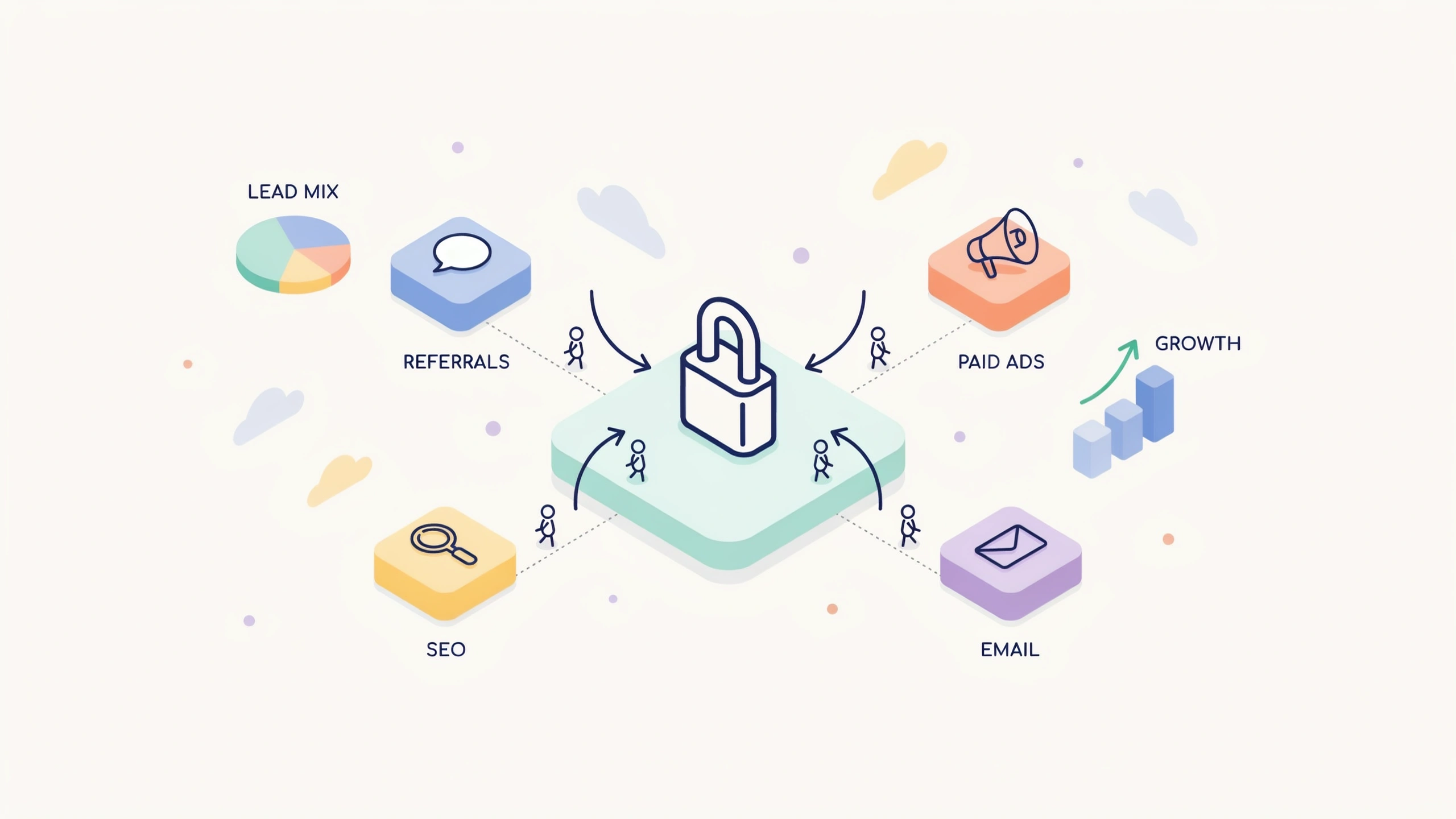
The right mix depends on your budget, team size, and how fast you want to grow. There is no single answer that fits every locksmith business.
Budget-Based Recommendations
Smaller budgets should start with one or two focused channels. A new locksmith might start with Google LSA and a handful of live transfer calls per week. Larger, established businesses can layer in PPC, directory leads, and expanded live transfer volume for steady scale.
Scaling From One Channel to Multiple
Scaling means adding channels gradually as each one proves profitable. Start with your best-performing channel, track it closely for 60 to 90 days, then add a second. Jumping into five channels at once makes it nearly impossible to tell what is actually working.
Key Takeaways
- Live transfer calls connect ready-to-hire customers to your phone instantly, with no waiting.
- Exclusivity and a 30–60 second buffer window protect you from paying for bad calls.
- Always verify geographic match accuracy and refund policy before buying leads.
- Mix live transfers with local SEO, PPC, and reviews for steady, long-term lead flow.
- Fast dispatcher response and a solid CRM turn good leads into booked jobs.
Final Thoughts
Locksmith live transfer calls give you the fastest, most direct path from a stranded customer to a booked job. They cost more than directory leads, but the exclusivity and speed usually make up the difference in close rate. The real work is choosing the right provider, checking their geographic accuracy, and training your team to answer fast and close with confidence.
Building a lead generation mix that actually works takes experience, testing, and constant tracking. Top7seven United States Performance Marketing Services has spent years helping locksmith businesses across the country build exactly this kind of system. We know which channels convert, which providers deliver, and how to protect your ad spend from wasted calls. If you are ready to fill your schedule with real, ready-to-hire customers, we would love to build that plan with you.
FAQ
What is a locksmith live transfer call?
A locksmith live transfer call is a phone lead. A call center connects a ready customer straight to your phone. You talk to them right away.
How much do locksmith live transfer calls cost?
Prices vary by provider and area. Most locksmith live transfer calls cost between $20 and $60 per call. Emergency and lockout calls often cost more.
How do live transfer calls help locksmiths get more clients?
Live transfer calls connect you to people who need help now. You skip cold calling. This makes it easier to get locksmith clients fast.
How can locksmiths avoid scams when buying live transfer leads?
Ask providers for call recordings and real-time proof. Check reviews first. Avoid companies that won’t share data before you pay for live transfer calls.
Are live transfer calls better than other locksmith lead types?
Yes, in most cases. Live transfer calls connect you to a real customer instantly. Other leads, like web forms, often go cold before you call back.