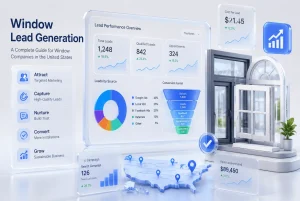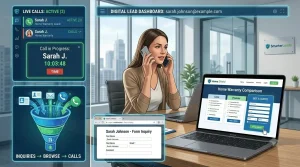
Health Insurance Leads grow faster when agencies combine inbound calls, local ads, and precise U65 targeting. Many agents buy leads without matching them to their sales process. This mistake wastes money and lowers conversion rates.
I’ve worked with lead generation systems for over 20 years. Strong results rarely come from one lead source. A balanced strategy connects targeting, timing, follow-up, compliance, and clear tracking.
This guide explains how to attract and convert under-65 prospects. You’ll learn about lead types, channels, tools, budgets, and enrollment timing. Keep reading to build a stronger and safer sales pipeline.
Quick Answer
A successful U65 strategy combines high-intent inbound calls, targeted digital ads, local search traffic, and aged lead nurturing. Agencies should segment prospects by needs and purchase intent. They must also respond quickly, track every channel, document consent, and plan campaigns around enrollment periods.
What is a U65 health insurance lead?
A U65 health insurance lead is a prospect younger than age 65. This person has shown interest in individual or family health coverage. Interest may come through forms, calls, quote requests, or advertising responses.
Common prospects include freelancers, early retirees, job changers, and people losing family coverage. Some want ACA plans, while others prefer private insurance plans. Each health insurance lead needs clear qualification before an agent calls.
Breaking Down the U65 Market by Health Insurance Status
Insurance status helps agents understand each prospect’s immediate problem. It also guides messaging, qualification questions, and suitable health plan options. Four main groups create strong demand across the U65 insurance market.

The Uninsured
Uninsured prospects currently lack health insurance coverage. They often worry about price, eligibility, and medical costs. Agents should explain available choices without making broad savings promises.
Ask why the prospect lacks coverage and when it ended. Then check income, household size, location, and enrollment eligibility. These details help agents guide qualified prospects more clearly.
The Employer-Dropped
Employer-dropped prospects recently lost workplace health coverage. These consumers often need help before their current coverage ends. Their urgency can create high-intent opportunities.
Ask about the coverage termination date and any offered continuation plan. Losing qualifying coverage may support Special Enrollment Period eligibility. HealthCare.gov may require documents that confirm the coverage loss.
The Plan Switchers
Plan switchers already have coverage but want a better option. They may dislike premiums, networks, deductibles, or service quality. Their main goal usually involves improving value.
Agents should compare needs before discussing another health insurance plan. Ask about doctors, medicines, budget limits, and expected care. This approach keeps the conversation helpful and customer-focused.
The Gig Economy / Self-Employed
Gig workers and self-employed buyers often lack employer-sponsored health benefits. Their income may also change throughout the year. They need flexible guidance and simple explanations.
Target freelancers, contractors, consultants, and small business owners with local campaigns. Use messages about plan choice, budget control, and network access. Avoid assuming every self-employed prospect qualifies for the same plan.
Targeting and Segmentation Strategies
Targeting connects the right offer with the right prospect. Segmentation then separates audiences by location, needs, behavior, and buying intent. This process improves message relevance and lead quality.
Geo-Targeting
Geo-targeting limits campaigns to states, counties, cities, or ZIP codes. It helps match prospects with licensed agents and available carriers. It also prevents spending in unsupported areas.
Build separate landing pages for valuable local markets. Match each page with local plan concerns and service details. Route every lead to an agent licensed in that state.
Demographic and Behavioral Targeting
Demographic targeting groups prospects by age, work status, household, or life stage. Behavioral targeting uses actions like searches, clicks, visits, and abandoned forms. Together, they create more focused campaigns.
Useful segments include 26-year-olds leaving parental plans and early retirees. Agencies can also target returning website visitors and active insurance quote shoppers. Never use sensitive data without proper permission.
From Awareness to Action by Intent
Intent shows how close a prospect stands to taking action. High-intent prospects need fast contact, while colder prospects need education. Agents should build a different workflow for each intent level.
High-Intent Leads
High-intent leads actively request quotes, calls, or plan comparisons. These prospects often need help now. Fast routing and skilled agents can protect these valuable opportunities.
Examples include inbound calls, live transfers, and completed quote forms. Confirm location, age, household details, and coverage needs first. Then move directly into a helpful consultation.
Medium-Intent Leads
Medium-intent leads show interest but may not feel ready. They might download a guide or revisit pricing pages. These prospects need proof, education, and timely follow-up.
Use short emails, helpful texts, and personal calls. Focus on common questions about cost, networks, and enrollment. Keep the next action simple and clear.
Low-Intent/Cold Leads
Low-intent leads have limited recent engagement. This group often includes older leads and broad social prospects. Direct sales pressure usually pushes them away.
Start with helpful education rather than a hard pitch. Ask whether their coverage needs have changed. Move engaged prospects into a warmer lead management sequence.
Choose Lead Acquisition Channels and Budgets
Channel selection should match budget, sales capacity, and desired lead speed. Expensive channels may create faster conversations. Lower-cost channels usually need more time and nurturing.
| Channel | Typical Intent | Cost Level | Best Use | Main Need |
| Inbound live transfers | High | High | Immediate agent conversations | Strong call team |
| Paid search | High | Medium to high | Active insurance shoppers | Focused landing pages |
| Paid social | Low to medium | Medium | Audience discovery and retargeting | Clear qualification |
| Local SEO | Medium to high | Lower over time | Sustainable local inbound leads | Useful local content |
| Aged leads | Low to medium | Low | High-volume nurturing | CRM and dialer workflows |
| Referrals and affiliates | Medium to high | Varies | Trusted introductions | Source tracking |
Do not choose channels by cost per lead alone. Compare contact rates, close rates, policy value, and retention. A cheap lead can become expensive after poor follow-up.
Exclusive vs. Shared U65 Leads
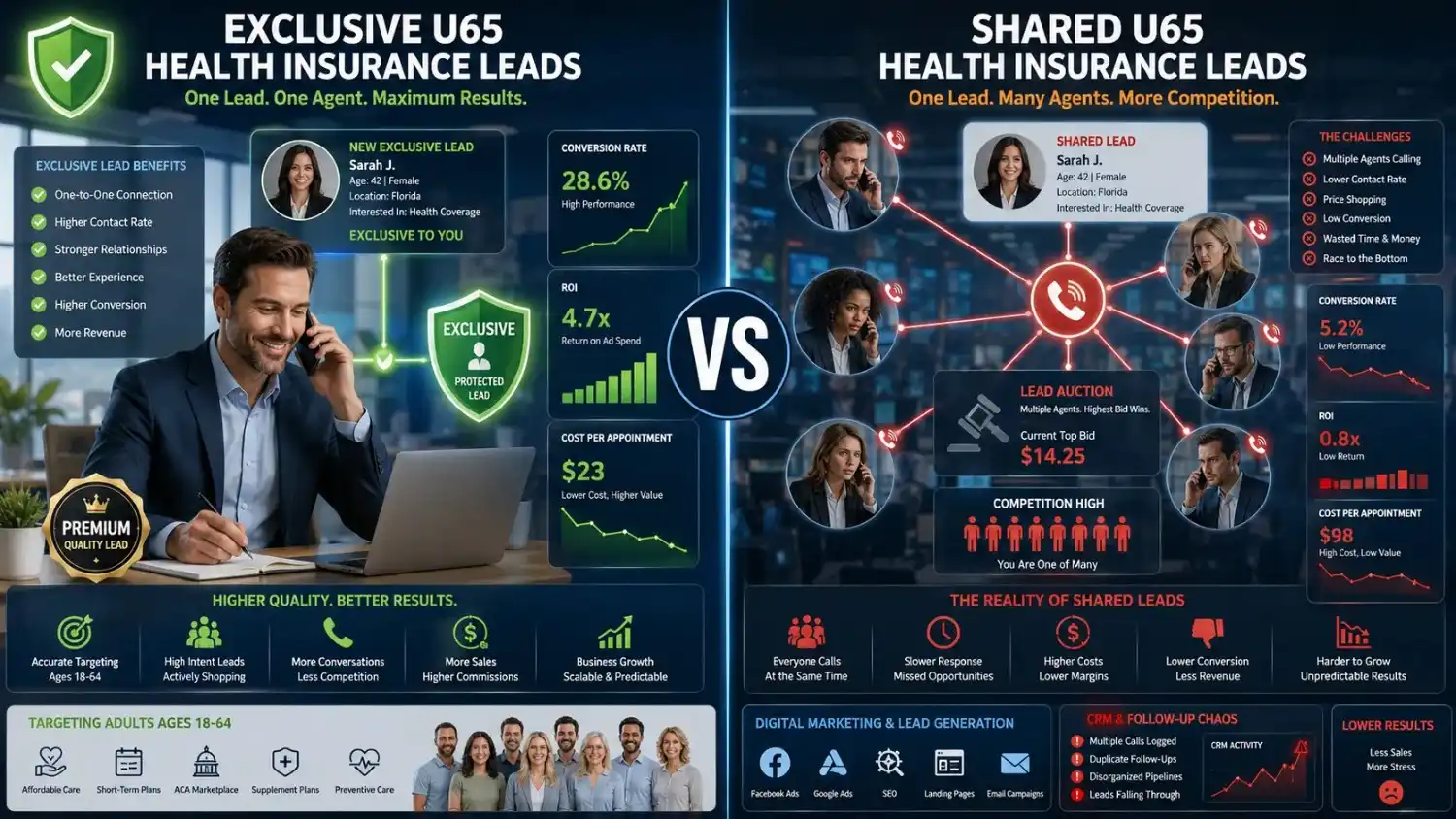
Exclusive U65 leads go to one buyer, while shared leads reach several agents. Exclusive leads reduce direct competition but usually cost more per lead. Shared insurance leads demand faster contact and stronger sales skills.
Choose exclusive leads for limited, high-skill sales teams. Shared leads may suit larger teams with rapid outreach systems. Always confirm how many buyers receive each prospect.
Real-Time vs. Aged Lead Delivery
Real-time leads arrive soon after the prospect takes action. Aged leads reach buyers after more time has passed. Each lead type needs a different conversion strategy.
Real-time U65 leads need immediate routing and outreach. Aged health insurance leads need filtering, patient follow-up, and updated qualification. Never present older intent as current intent.
Live Transfer vs. Data Lead Pricing
Live transfers cost more because agents receive connected callers. Data leads provide contact details without a live conversation. The best option depends on sales capacity and agent skills.
Use exclusive U65 health insurance calls for agents who close phone prospects well. Use data leads when teams can manage structured follow-up. Measure cost per sale instead of purchase price alone.
How Lead Behavior Reveals Purchase Readiness
Lead behavior shows interest through actions and engagement patterns. Repeated visits, completed forms, and answered calls suggest stronger intent. Weak or old activity needs more nurturing.
Score actions based on their value to your sales process. A quote request should rank above a blog visit. Update scores when prospects reply, book calls, or request insurance quotes.
A successful U65 lead generation strategy
A successful U65 strategy blends high-intent channels with affordable nurturing systems. It also connects targeting, qualification, compliance, and measurement. Agencies should avoid depending on one source.
Use live transfers for immediate demand. Build local inbound traffic for long-term business growth. Support both channels with CRM automation and trained health insurance agents.
Targeted Paid Search and Social Ads
Paid search captures people actively looking for coverage. Social ads reach useful groups before they start searching. Separate these campaigns because they represent different intent levels.
Create dedicated ads for freelancers, early retirees, and job changers. Platforms like Facebook can support audience testing and retargeting. Search campaigns should focus on urgent, specific needs.
Inbound Call Transfers
Inbound call transfers connect agents with prospects already seeking help. Pre-qualification can confirm age, location, need, and basic eligibility. This process protects agent time.
Use clear Interactive Voice Response questions before routing health insurance calls. Send callers only to available and licensed agents. Review recordings and outcomes to improve qualification.
Educational Content
Educational content builds trust before prospects contact an agent. It also answers questions that block action. Useful topics include enrollment, costs, networks, and life events.
Create simple articles, videos, checklists, and local guides. Each resource should lead toward one clear next step. Avoid using educational pages as hidden sales traps.
Aged Lead Nurturing TEXUS
Aged lead nurturing turns older interest into new conversations. It works best through clean data, patient outreach, and useful messages. Aggressive dialing usually harms results.
Filter aged leads by state, ZIP code, source, and original request date. Use email, compliant texts, and scheduled calls. Ask whether the prospect still needs health coverage before discussing plans.
Nurture and Follow-Up Strategy
Nurturing keeps the agency visible while prospects compare options. Strong follow-up uses timing, relevance, and several contact methods. It never depends on repeated sales calls alone.
Speed-to-Lead
Speed-to-lead measures how quickly agents contact new prospects. Fast contact matters most for live and exclusive leads. Delays give competing agents more opportunities.
Send an immediate confirmation after each opt-in. Route the prospect to an available agent within seconds. Continue follow-up when the first attempt fails.
Omnichannel Outreach
Omnichannel outreach uses calls, email, text, and retargeting together. Each channel should support the same customer journey. Messages must remain clear and consistent.
Start with the prospect’s preferred contact method. Space follow-ups instead of overwhelming the person. Stop promotional outreach after valid opt-out requests.
CRM Automation
CRM automation organizes leads, tasks, messages, and sales stages. It helps agents follow consistent workflows. It also reduces missed calls and forgotten follow-ups.
Connect forms, inbound calls, and lead vendors with your CRM or dialer. Trigger tasks based on source, intent, and enrollment timing. Keep human review for complex needs.
Timing Your U65 Campaigns Around Enrollment Periods
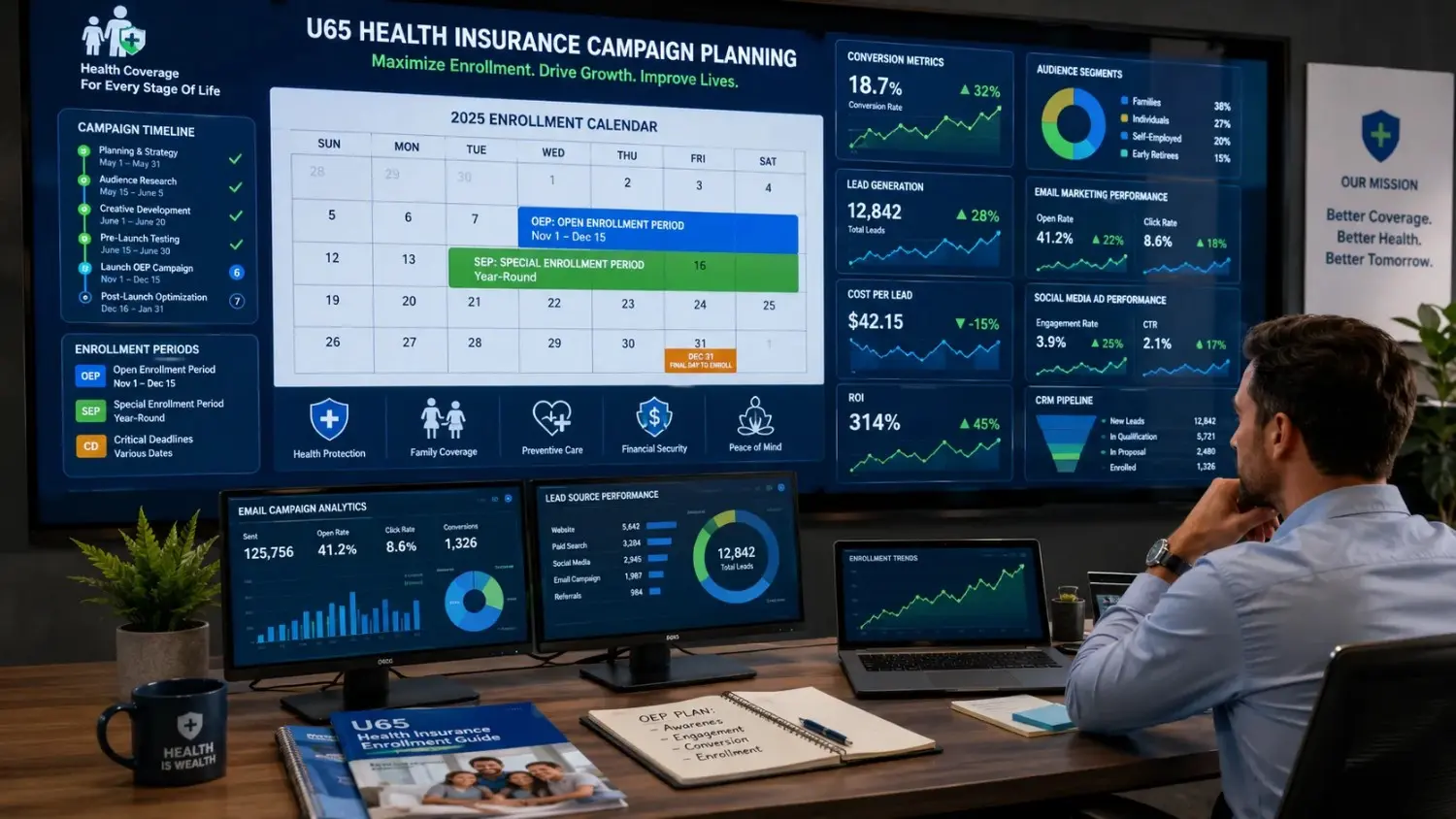
Enrollment timing changes U65 demand and message urgency. Open Enrollment creates broad demand, while special periods create year-round opportunities. Agencies should plan separate campaigns for each window.
Open Enrollment vs. Special Enrollment Period Strategy
Open Enrollment supports wider campaigns for eligible Marketplace shoppers. HealthCare.gov lists its yearly window from November 1 through January 15. Outside that period, prospects may need Special Enrollment eligibility.
Increase education and staffing before Open Enrollment begins. During the year, focus campaigns on life changes and coverage loss. Confirm eligibility before promising enrollment access.
Qualifying Life Events That Drive U65 Demand
Qualifying life events can create Special Enrollment opportunities. Common events include marriage, birth, adoption, moving, and losing health coverage.
Build campaigns around these needs without assuming eligibility. Ask when the event happened and request relevant details. HealthCare.gov says people usually have 60 days after an event to enroll.
Compliance First: Protecting Your Agency While You Scale U65 Leads
Compliance should guide every call, form, text, and vendor relationship. Agencies need reliable consent records and clear opt-out systems. They must also follow federal and state requirements.
TCPA and Telemarketing Rules
TCPA rules affect certain automated marketing calls and texts. The FCC requires prior express written consent for covered telemarketing robocalls.
Store consent language, timestamps, source pages, and prospect details. Honor revocation requests and internal suppression lists. The FTC also requires covered telemarketers to update call lists regularly.
Data Privacy and Consent (CCPA)
The CCPA gives eligible California consumers rights over personal information. Covered businesses must provide required privacy notices and handle valid requests.
Explain what data you collect and why. Limit vendor access and protect stored prospect details. Ask qualified legal counsel to review state-specific privacy duties.
Ensuring Every Dollar Maps to a Single Channel
Clear attribution connects each sale with its true acquisition source. Without it, agencies may fund weak channels and cut strong ones. Use unique tracking across every campaign.
Inbound (Pull)
Inbound channels attract prospects who already seek information. Examples include SEO pages, organic search, direct traffic, and educational content. These channels often build trust before contact.
Track forms, phone numbers, landing pages, and search sources. Keep branded traffic separate from non-branded traffic. This separation reveals true demand generation.
Outbound (Push)
Outbound channels place offers before selected prospects. Examples include aged lead calls, email sequences, and compliant text outreach. These channels need accurate lists and clear permissions.
Track each list, campaign, and agent separately. Record contact attempts and final outcomes. Remove invalid, duplicate, and opted-out records quickly.
Paid Media
Paid media includes search ads, social ads, and retargeting. Each campaign should use dedicated tracking tags and landing pages. This setup improves budget decisions.
Measure qualified leads and completed sales by campaign. Do not optimize only for cheap clicks. Low-cost traffic may bring poor prospects.
Earned & Affiliate
Earned and affiliate channels use referrals, partners, reviews, and third-party publishers. These sources can provide high-value introductions. However, agencies must verify each source.
Use unique links, phone numbers, or partner codes. Review affiliate messages and consent methods. Stop partners that create misleading or poor-quality health leads.
Categorizing the Tools That Make Execution Possible
U65 lead tools support capture, nurturing, and measurement. Agencies should choose tools based on workflow needs. Too many disconnected systems create errors and lost data.
Front-End (Capture)
Front-end tools collect prospect details and initial intent. They include landing pages, forms, call tracking, chat, and IVR systems. These tools shape the first customer experience.
Keep forms short and easy to understand. Display clear consent language near the action button. Test every form and phone route often.
Mid-End (Nurture)
Mid-end tools manage communication after lead capture. They include CRM systems, email tools, dialers, and scheduling platforms. These tools support consistent follow-up.
Build workflows around intent and lead age. Give agents clear tasks and message templates. Pause automation when a prospect starts a direct conversation.
Back-End (Analytics)
Back-end tools connect spending with lead and sales outcomes. They include reporting dashboards, call analytics, and revenue tracking. These tools reveal channel performance.
Track leads from first click through final sale. Use consistent source names across every system. Review mismatched or missing data each week.
What Makes a U65 Health Insurance Lead High Quality?
A high-quality U65 lead has valid details, clear intent, and suitable timing. It should also match the agent’s licensed service area. Good consent records further protect the agency.
High-quality U65 health insurance leads often include recent and accurate information. They also provide useful context about coverage needs. No vendor can guarantee every lead will convert.
Common Mistakes Agents Make When Buying U65 Health
Agents often buy U65 leads without checking source quality or workflow fit. They may also compare vendors using price alone. Both mistakes can reduce ROI.
Ask about exclusivity, lead age, consent, replacement rules, and delivery methods. Test small batches before scaling. Track every vendor through contact, quote, and sale stages.
Do U65 health insurance leads really work?
U65 health insurance leads work when agencies match them with strong processes. Lead quality alone cannot fix slow contact or weak qualification. Agents need consistent follow-up and useful conversations.
Results depend on source, timing, market conditions, and sales skill. Test each lead source with clear performance goals. Judge success through cost per sale and lifetime value.
Why You’ll Love Our U65 Health Insurance Leads
TOP7SEVEN focuses on practical U65 lead options for different sales models. Agencies can align lead types with budgets, staffing, and conversion strategies. This approach supports better buying decisions.
Teams may choose aged leads, real-time prospects, phone leads, or live transfers. Clear source details help agencies plan outreach. Buyers should still review every campaign’s performance.
A Smarter Way to Grow With U65 Health Insurance Leads
Smarter growth comes from balancing volume, intent, cost, and sales capacity. Agencies should not chase every available lead source. They should build a repeatable system.
Start with one or two channels and track complete outcomes. Improve scripts, speed, and nurturing before adding more volume. Scale only after the process produces stable results.
Key Takeaways
- Segment U65 prospects by status, intent, location, and life stage.
- Blend inbound calls, local marketing, paid ads, and aged leads.
- Contact new high-intent leads within seconds.
- Track cost per sale instead of cost per lead alone.
- Document consent and honor every valid opt-out request.
Conclusion
A strong U65 strategy combines several connected lead generation channels. High-intent calls create fast opportunities. Local inbound campaigns and aged leads support sustainable growth.
Targeting and timing improve every part of the sales process. Agents also need quick outreach, useful education, and clean CRM workflows. Clear attribution shows which channels deserve more investment.
TOP7SEVEN serves agencies from 4878 Nickel Road, El Monte, CA 91731. Call (209)-655-3042 or email contact@top7seven.com for lead generation support. We help agencies choose practical U65 lead strategies. Contact us today so we can build your next campaign.
FAQ
How can agents generate U65 health insurance leads?
Agents can generate Health Insurance Leads through paid search, social ads, local SEO, referrals, live transfers, and fast follow-up during enrollment periods.
Where can insurance agents buy high-quality health insurance leads?
Insurance agents can buy leads from trusted vendors, call marketplaces, and referral partners. Always check lead age, consent records, exclusivity, and replacement policies.
What does a CRM do for health insurance agents?
A CRM stores lead details, tracks calls, sends follow-ups, and shows sales results. Choose one that connects with forms, dialers, email, and reporting tools.
How much should agents pay for health insurance lead generation?
Lead costs depend on source, intent, exclusivity, and delivery speed. Track cost per sale, conversion rate, and customer value to measure real ROI.
Is health insurance lead generation legal?
Health insurance lead generation is legal when agents follow consent, privacy, licensing, and telemarketing rules. Keep clear records and honor every opt-out request.