Many agents struggle to build steady Health Insurance Leads without wasting money or time. The best solution combines targeted leads, local marketing, referrals, and fast follow-up. This balanced system can create a more stable sales pipeline.
In my 20+ years of lead generation work, one lesson stands out. Lead volume means little when targeting, compliance, or outreach fails. Successful agents focus on lead quality and cost per policy.
This guide explains how to choose channels, providers, budgets, and compliance systems. You’ll also learn how to verify leads and improve conversion rates. Use these steps to build a stronger insurance business.
Quick Answer
Health insurance lead generation needs four connected parts. Define your ideal prospect, choose trusted lead sources, respond quickly, and track policy sales. Combine purchased leads with SEO, referrals, events, and partnerships. Always verify consent, data accuracy, licensing rules, and campaign performance before scaling any source.
Define Your Target Market Before Generating Leads
A clear target market helps agents attract people who fit their available products. It prevents wasted spending on unlicensed states or unavailable plans. Start with the products, locations, and consumers your agency can serve.
Segment Prospects by Insurance Product
Product segmentation separates prospects by the coverage they need. Each product requires different messages, questions, and enrollment steps. Common groups include ACA, Medicare, short-term health, and small-group coverage.
Avoid sending one general message to every prospect. An ACA shopper has different needs from a Medicare prospect. Build separate campaigns and intake scripts for each lead type.
Segment by Age, Household, and Employment Status
Age, household size, and employment status shape insurance needs. These details help agents recommend suitable coverage paths. They also improve message relevance and lead qualification.
For example, self-employed adults may need individual Marketplace plans. Older consumers may want Medicare guidance. Families may focus on provider networks, premiums, and child coverage.
Segment by State, License, and Carrier Availability
State targeting keeps lead campaigns within your legal sales area. It also prevents agents from paying for unusable prospects. Match every campaign with active licenses and available carriers.
Carrier availability can change across counties and states. Confirm plan access before launching ads or buying leads. Update filters whenever your appointments or licenses change.
Build an Ideal Health Insurance Prospect Profile
An ideal prospect profile describes your best potential customer. It combines location, product need, timing, budget, and contact preference. This profile guides every lead-generation decision.
Your profile might target self-employed adults seeking Marketplace coverage. Another profile might focus on Medicare prospects nearing eligibility. Create a separate profile for each main product.
Understanding the Lead Hierarchy
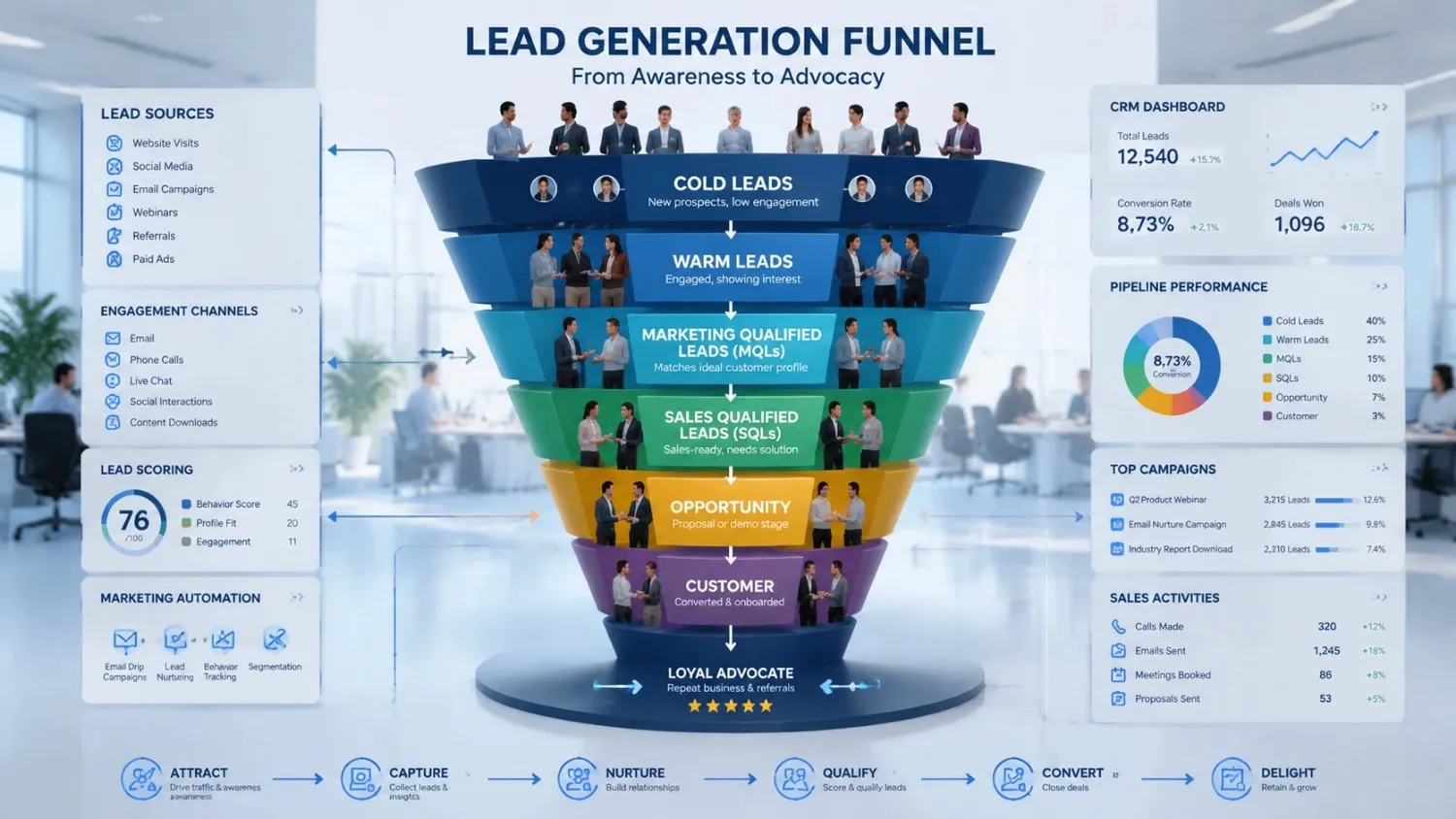
The lead hierarchy ranks prospects by freshness, exclusivity, and buying intent. Fresh, exclusive contacts usually cost more. Older or shared records often need stronger follow-up.
Real-Time Exclusive Internet Leads
Real-time exclusive leads reach one agent shortly after submission. They offer less direct competition and strong contact potential. However, they require a higher budget and immediate outreach.
Call these prospects as soon as your system receives them. Use automation to send a helpful confirmation message. Keep agents ready during campaign hours.
Shared Leads
Shared leads reach several agents at the same time. They cost less but create direct competition. Speed and a helpful opening message become critical.
Avoid starting with an aggressive sales pitch. Confirm the prospect’s request and ask one simple question. Then guide the conversation around their coverage needs.
ACA/Marketplace Leads
ACA leads come from people exploring individual Marketplace coverage. Their needs may involve open enrollment or qualifying life events. Agents should confirm timing, household details, and state eligibility.
Explain your role before discussing insurance products. Separate Marketplace plans from non-ACA options clearly. Never make a limited plan sound like major medical coverage.
Lead Generation Channels: Pros vs. Cons
Lead generation channels differ in speed, cost, control, and intent. Agents should use several channels instead of relying on one. A mixed approach protects the pipeline when one source slows.
| Channel | Main Advantage | Main Limitation | Best Use |
| Exclusive leads | Less competition | Higher cost | Fast sales teams |
| Shared leads | Lower starting cost | Heavy competition | Skilled callers |
| Live transfers | Immediate conversations | Premium pricing | Available agents |
| Aged leads | Low purchase cost | Lower contact rates | Nurture campaigns |
| Local SEO | Builds owned demand | Takes time | Long-term growth |
| Paid ads | Fast traffic control | Needs daily management | Testing offers |
| Referrals | Strong trust | Limited volume | Local agencies |
| Events | Builds authority | Needs preparation | Community outreach |
Top Methods to Build Your Lead Pipeline
A strong pipeline combines purchased opportunities with owned marketing channels. This mix supports both quick volume and long-term growth. Review each source by issued policies, not raw contacts.
Buy From Reputable Lead Providers
Reputable providers offer clear sourcing, consent records, filters, and return policies. Never choose a vendor based only on low prices. Test every provider with a controlled budget first.
Ask how leads are generated and distributed. Confirm whether leads are shared, exclusive, or aged. Request written rules for invalid data and refunds.
QuoteWizard by LendingTree
QuoteWizard connects insurance shoppers with agents and available providers. Its public platform supports several insurance categories, including health coverage. Agents should confirm current products, territories, and delivery options directly.
Review lead filters and replacement policies before buying. Ask how many agents receive each contact. Track each QuoteWizard source separately inside your CRM.
NextGen Leads
NextGen Leads should receive the same detailed vendor review as any provider. Request source pages, timestamps, consent language, and distribution limits. Treat the company name as an option, not an automatic endorsement.
Run a small test before making a long commitment. Review call recordings and prospect complaints. Pause delivery when source quality falls below your standard.
SmartFinancial
SmartFinancial offers acquisition tools for independent insurance agents and agencies. Its platform promotes insurance leads and technology-based customer matching. It also covers several insurance verticals.
Ask for available health products and geographic filters. Confirm lead-sharing rules before activation. Measure contact rates and cost per issued policy.
Local Search Visibility & SEO
Local SEO helps nearby shoppers find your agency through search engines. It creates inbound demand without buying every contact. Results grow through useful pages, accurate listings, and reviews.
Claim Your Business
Claiming your Google Business Profile strengthens local visibility and trust. Complete every field with accurate agency information. Use the same name, address, and phone everywhere.
Add your services, hours, photos, and website. Ask satisfied clients for honest reviews. Respond without exposing private health or policy details.
Target Local Keywords
Local keywords connect your products with specific service areas. Use terms that match real consumer searches and your licenses. Examples include “health insurance agent near me” and city-based ACA searches.
Create useful pages for each real service area. Avoid copying one page across many cities. Each page should explain local products and contact options.
Educational Events & Workshops
Educational events create trust before a sales conversation begins. They work well for Medicare, ACA, and small-business topics. Keep each event helpful rather than overly promotional.
High-Yield Referral Programs
Referral programs turn satisfied clients into trusted lead sources. Clear instructions make referrals easier. Ask clients to share your contact details with interested friends.
Never reward actions that break carrier or program rules. Review incentive plans before launching them. Track referral sources inside your CRM.
Strategic B2B Partnerships
B2B partnerships connect agencies with organizations serving similar consumers. Useful partners may include accountants, payroll firms, and business groups. Each partner should serve a related need.
Explain how both parties will protect consumer data. Create a simple referral process. Never exchange sensitive information without proper permission.
Client Incentives
Client incentives can encourage event attendance or lawful referrals. They must follow carrier, state, and program rules. Keep incentives small, clear, and unrelated to plan selection.
Never promise rewards that influence protected enrollment decisions. Document your offer and eligibility terms. Ask compliance counsel to review uncertain programs.
Budget and Capacity Planning for Lead Generation
Budget planning connects marketing costs with real sales capacity. Agents should know how many leads they can handle. Overspending creates missed calls and wasted opportunities.

Work Backward From Your Policy Sales Goal
Start with the number of policies you want to issue. Then use your actual close rate to estimate lead needs. Avoid using another agency’s conversion results.
Review separate close rates for each product and channel. Medicare leads may perform differently from ACA leads. Update your plan every month.
Estimate the Lead Volume You Need
Required lead volume depends on contact and closing performance. Divide your sales goal by your verified close rate. Add a small testing allowance for new sources.
Use complete sales data rather than guesses. Track contacted, qualified, quoted, submitted, and issued stages. This reveals where prospects leave your pipeline.
Match Lead Volume to Agent Capacity
Lead volume should match the number of available agents. Too many leads can reduce contact speed and service quality. Too few leads can leave sales teams idle.
Estimate how many fresh leads each agent can manage. Include callbacks and enrollment work. Reduce delivery during staffing gaps.
Set Testing Budgets for New Channels
A testing budget limits risk while producing useful data. It should cover enough leads for a fair review. Tiny samples can create misleading results.
Set the budget before launching. Define the test period and success measures. Don’t change several campaign settings at once.
Define Scale, Pause, and Reallocation Rules
Clear rules remove emotion from marketing decisions. They tell your team when to increase or stop spending. Use contact rates, qualifications, and issued policies.
Scale channels that produce profitable policy sales. Pause sources with invalid data or compliance gaps. Reallocate funds toward proven campaigns.
Prepare for Seasonal Call-Volume Spikes
Seasonal planning helps agencies manage enrollment-period demand. Call volume can rise sharply during AEP, OEP, and Marketplace enrollment. Staff and systems must handle that increase.
Train temporary team members before peak periods. Test phone routing and CRM automation. Limit lead delivery when response times fall.
Inbound Calls & Live Transfers
Inbound calls and live transfers connect agents with active shoppers. These leads often show strong intent because consumers agree to speak. Agents must remain available during delivery hours.
Inbound Calls & Live Transfers
Inbound calls begin when a prospect contacts the agency directly. Live transfers begin with screening from another call team. Both methods reduce time spent chasing unreachable prospects.
Confirm what screening happens before transfer. Ask which questions the provider uses. Never assume every transferred caller qualifies.
Benefits
Live conversations can shorten the path from inquiry to quote. Agents can answer questions and confirm needs immediately. This speed can improve the customer experience.
Call tracking also reveals campaign quality. Record source, duration, outcome, and policy status. Review failed transfers for billing credits.
Buying Shared, Exclusive, or Aged Leads
Each purchased lead model offers different costs and sales demands. Exclusive leads reduce competition, while aged leads reduce purchase costs. Choose based on budget and follow-up skill.
Exclusive/Real-Time
Exclusive real-time leads usually offer the freshest contact data. They reach fewer competing agents. However, quick delivery means nothing without fast response.
Route leads directly into your CRM. Trigger a confirmation message after proper consent. Call while the prospect remembers the request.
Aged Leads
Aged leads contain older consumer inquiries. They cost less but often show lower immediate intent. They work best with patient, multi-channel nurturing.
Use a helpful reintroduction message. Ask whether the prospect still needs coverage. Remove people who revoke consent or request no contact.
Providers
Lead providers should prove their sourcing and compliance methods. Compare consent, filters, replacement rules, and delivery controls. Never judge providers by volume alone.
Ask for sample records before buying. Review invalid numbers and duplicates. Keep contracts short during the testing phase.

Health Insurance Lead Pricing Benchmarks 2026
Health lead pricing has no single national rate in 2026. Costs change by product, state, freshness, filters, and exclusivity. Current provider guidance also confirms that insurance lead pricing isn’t fixed.
| Lead Type | Relative 2026 Cost | Expected Competition | Main Budget Risk |
| Aged leads | Lowest | Varies | Weak contact rates |
| Shared internet leads | Low to medium | High | Fast competition |
| ACA leads | Medium | Varies | Seasonal price changes |
| Exclusive real-time leads | High | Low | Wasted leads from slow calls |
| Inbound calls | High | Low | Unqualified callers |
| Live transfers | Highest | Low | Paying for poor screening |
Request current written quotes from each provider. Compare cost per policy instead of cost per lead. Pricing can change across seasons and service areas.
Digital Marketing & Organic SEO
Digital marketing creates both immediate and long-term lead opportunities. Paid ads provide speed, while SEO builds owned visibility. Automation helps manage both channels.
Search Engine Optimization (SEO)
SEO helps agents attract people actively searching for coverage. Useful pages can generate inbound calls and forms over time. Focus on local and product-based search intent.
Publish clear guides for enrollment, life events, and coverage choices. Add strong local pages and internal links. Track which pages create qualified prospects.
Paid Ads
Paid ads create traffic faster than organic SEO. Google Ads can reach high-intent shoppers. Social media platforms can support wider awareness and lead forms.
Match each advertisement with a focused landing page. Use clear consent language around calls and texts. Remove misleading prices or coverage claims.
AI Chatbots
AI chatbots can answer basic questions and collect lead details. They should support agents rather than provide personal coverage advice. Every conversation needs clear limits.
Use chatbots for appointment booking and simple qualification. Protect all submitted information. Move complex plan questions to licensed agents.
Strategic Partnerships & Referrals
Partnerships and referrals create leads through existing trust. They often produce warmer conversations than cold outreach. Choose partners who serve similar audiences.
Partnerships
Strong partnerships connect agents with employers and local professionals. Define each party’s role before exchanging referrals. Keep data sharing limited and permission-based.
Review results by partner. Thank partners for qualified introductions. End relationships that create confusion or compliance risks.
Educational Seminars
Educational seminars help prospects understand difficult insurance topics. They can create trust without using pressure. Focus on common questions and enrollment choices.
Use plain language and real examples. Separate education from personal plan advice. Offer private follow-up with a licensed agent.
How to Verify Health Insurance Lead Quality
Lead verification protects budgets, consumers, and your agency’s reputation. Check data accuracy, source details, consent, and duplicate history. Complete this review before scaling delivery.
Check Contactability and Data Accuracy
Contactability shows whether the submitted details reach a real person. Test phone numbers, emails, locations, and product interest. Track invalid data by source.
Set a clear timeframe for testing each lead. Report errors quickly. Use vendor credits when contracts allow them.
Identify Duplicate and Fraudulent Submissions
Duplicate and fraudulent records can inflate reported lead volume. Match new leads against your CRM history. Watch for repeated phone numbers or false locations.
Use email and phone validation tools. Flag unusual submission patterns. Don’t contact records that show clear fraud risks.
Confirm the Original Lead Source
The original source shows where and how each lead entered the system. Ask for the landing page, campaign, timestamp, and referring channel. This information supports quality reviews.
Open the source page yourself. Check whether its message matches the lead product. Reject unclear or misleading sources.
Verify Consent Documentation
Consent records should show what the consumer accepted. Request timestamps, disclosures, source pages, and contact permissions. Store these details with each lead.
Consent rules can vary by communication method and program. Don’t rely on a vendor’s verbal promise. Keep retrievable records for audits or complaints.
Set Quality Thresholds for Pausing a Source
Quality thresholds define when lead delivery should stop. Useful measures include invalid data, duplicates, complaints, and qualification rates. Set them before launching.
Pause a source when performance crosses your limit. Investigate the cause before restarting. Document every decision.
Track Invalid-Lead and Refund Rates
Invalid-lead rates show how much purchased volume creates no real opportunity. Refund rates show whether vendors honor their policies. Track both measures by campaign.
High credit requests can signal poor sourcing. Low refund approvals can weaken vendor value. Include lost staff time in your review.
Compliance & Regulatory Rules
Compliance must guide every health insurance lead campaign. TCPA, state rules, CMS requirements, and carrier policies may apply. Have qualified counsel review your workflow.
Medicare
Medicare marketing has added rules for agents and third-party marketing organizations. CMS requires documented controls around marketing, data sharing, and calls. Current CMS training also addresses recording covered marketing, sales, and enrollment calls.
Keep Medicare campaigns separate from general health campaigns. Train every agent before enrollment season. Save required records for the proper period.
Tools
Compliance tools help agencies store consent and monitor outreach. Useful systems include CRMs, call-recording tools, and suppression lists. Tools don’t replace trained review.
Configure user access carefully. Keep a clear audit trail. Test automations before sending calls or messages.
Strict Compliance Rules You Must Follow
Strict compliance rules protect consumers and reduce agency risk. Every campaign needs clear consent, honest claims, and proper enrollment conduct. Rules can differ across channels and products.
TCPA Compliance
TCPA compliance affects certain telemarketing calls and text messages. Agencies should collect clear consent and honor reasonable revocation requests. FCC rules also require prompt handling of valid opt-outs.
Don’t assume purchased data gives unlimited contact rights. Review the exact consent language. Maintain internal do-not-call controls.
CMS Guidelines
CMS guidelines govern Medicare marketing and enrollment activities. Agents must follow current training, disclosure, consent, and recording requirements. CMS updates its materials as program rules change.
Use only approved or compliant materials. Never imply government endorsement. Review yearly changes before launching AEP campaigns.
Healthcare.gov “Find Local Help
Healthcare.gov’s Find Local Help connects consumers with local agents and assisters. Marketplace-registered agents can choose listing options through this system. It provides a trusted path for local insurance shopping.
Keep your registration and contact information current. Explain whether you represent one or several carriers. Help consumers understand their available choices.
Build Consumer Trust and Protect Your Agency’s Reputation
Consumer trust grows through clear information and respectful service. Health coverage choices affect families and finances. Avoid pressure, hidden limits, and confusing product names.
Display Agent Licenses and Professional Credentials
Visible credentials help consumers verify your authority. Show active license details and relevant certifications where appropriate. Keep all information current.
Don’t display expired badges or appointments. Link to official verification tools when useful. Remove credentials after they lapse.
Explain Carrier Relationships Transparently
Carrier transparency helps consumers understand your available choices. State whether you represent one carrier or several. Explain when your product list has limits.
Never claim to compare every available plan unless you truly can. Give clear product documents. Encourage questions before enrollment.
Use Reviews and Testimonials Responsibly
Reviews can build trust when they reflect honest experiences. Never edit them into misleading claims. Avoid sharing private medical or enrollment details.
Follow platform and carrier rules. Don’t promise similar results for every client. Respond to criticism calmly.
Set Clear Expectations Before the Sales Call
Clear expectations reduce confusion and missed appointments. Tell prospects who will call and why. Also explain what information they may need.
Provide the agent’s name and agency. State the expected call length. Avoid surprise sales calls.
Handle Complaints and Negative Reviews
A clear complaint process can protect long-term trust. Respond quickly and listen before defending the agency. Keep public replies short and private.
Investigate call recordings and CRM notes. Correct real mistakes. Use complaints to improve training and vendor decisions.
Maximizing Your ROI: Best Practices
Strong ROI comes from fast action, accurate tracking, and steady nurturing. Cheap leads don’t always create affordable policies. Measure the full sales process.
Speed-to-Contact
Speed-to-contact matters most for fresh and shared leads. Prospects may speak with several agents quickly. Immediate contact can start the conversation first.
Use automatic lead routing. Alert available agents at once. Continue respectful follow-up when the first call fails.
Track Cost-Per-Policy (Not Cost-Per-Lead)
Cost per policy shows the real value of each campaign. Cost per lead only shows the purchase price. It ignores qualification and closing performance.
Include lead costs, ad spend, software, and staff time. Compare issued policies by source. Move funds toward profitable channels.
Nurture via Email
Email nurturing keeps your agency visible during longer buying cycles. It works well for aged leads and future enrollment periods. Every message should provide useful information.
Send enrollment reminders and simple checklists. Avoid daily pressure. Include clear unsubscribe options.
A 90-Day Health Insurance Lead Generation Plan
A 90-day plan moves agents from setup to controlled growth. Each phase has a clear goal. Avoid scaling before tracking systems work.
Days 1–30: Build the Lead Generation Foundation
The first 30 days should establish targeting, systems, and compliance. Define ideal prospects and available products. Set up CRM stages and source tracking.
Review licenses, carrier appointments, and consent processes. Build focused landing pages. Prepare scripts and follow-up messages.
Days 31–60: Launch Lead Generation Campaigns
Days 31–60 should test several controlled lead channels. Start with limited vendor orders, local SEO, and referral outreach. Keep campaign budgets small.
Track contact and qualification rates. Review call quality each week. Fix problems before increasing volume.
Days 61–90: Optimize and Scale
Days 61–90 should improve proven campaigns and pause weak sources. Compare cost per issued policy across every channel. Increase spending only when capacity allows.
Strengthen follow-up for unfinished prospects. Expand successful local pages or partnerships. Create the next 90-day target.
Key Takeaways
- Define products, locations, and ideal prospects before buying leads.
- Mix paid leads with SEO, referrals, events, and partnerships.
- Verify sources, data, consent, and replacement policies.
- Track cost per issued policy instead of lead price.
- Scale only when agents can respond quickly.
Conclusion
Health insurance lead generation works best as a connected system. Targeting, sourcing, outreach, and compliance must support each other. Lead volume alone can’t create predictable growth.
Start with small tests and accurate tracking. Keep channels that produce contactable prospects and issued policies. Pause sources that create waste or complaints.
TOP7SEVEN is a trusted leads generation partner at 4878 Nickel Road, El Monte, CA 91731. Call (209)-655-3042 or email contact@top7seven.com. We can help you build a stronger health insurance lead strategy. Contact us today to get started.
FAQ
Where Can Agents Get Free Health Insurance Leads?
Agents can get free Health Insurance Leads through referrals, local SEO, social groups, community events, business partners, and helpful website content.
What Is the Fastest Way to Generate More Insurance Leads?
Paid ads and live transfers create leads fastest, but agents need strong targeting, quick replies, and enough staff before reaching 100 leads daily.
How Much Should Insurance Agents Pay for Leads?
Insurance lead costs vary by source, state, product, and exclusivity. Judge value by cost per issued policy, not only cost per lead.
Can AI Help Insurance Agents Generate Leads?
AI tools can support research, scoring, chat, and follow-up. They cannot replace licensed agents, clear consent, accurate advice, or human trust.
Is Health Insurance Lead Generation Legal?
Health insurance lead generation is legal when agents follow TCPA, CMS, state, and carrier rules. Contact fresh leads quickly and honor every opt-out request.