Car accident victims struggle to find trusted Car Accident Lawyers during a stressful moment. Strong SEO helps your firm appear when nearby victims search for legal help. It also turns useful content into steady organic MVA leads.
After 20 years in lead generation, I’ve seen one pattern often. Firms win when they combine local visibility, useful content, and fast intake. Each part supports trust, rankings, and signed cases.
This guide explains the full process in clear steps. You’ll learn how to attract qualified searches and convert them well. Keep reading to build a practical SEO system for your firm.
Quick Answer
SEO generates organic MVA leads by matching useful pages with local search intent. Your firm needs strong local SEO, focused service pages, helpful articles, and clean technical foundations. Fast pages, clear calls, strong reviews, and quick intake turn traffic into qualified cases.
Why Organic SEO Is Crucial for Car Accident Lawyers
Organic SEO helps accident firms reach people already searching for legal support. These searches often show urgent needs and strong hiring intent. A focused strategy can create lasting visibility without paying for every click.
Victims may search after speaking with insurers or visiting a doctor. Others research fault, injuries, timelines, or claim value first. Your content should support each stage without pushing too hard.
SEO also builds trust before a potential client contacts your firm. Helpful pages show knowledge, local experience, and clear next steps. Over time, this creates a stronger and more reliable lead pipeline.
3-Step Strategy for Organic MVA Lead Generation
A three-step strategy connects search demand, useful pages, and fast conversion. Each step supports the next and reduces wasted SEO effort. The goal stays simple: attract, qualify, and convert accident victims.
- Capture local demand. Optimize your Google Business Profile and core location pages.
- Build focused content. Create pages for accident types, claims, and legal questions.
- Improve conversion. Use fast pages, clear calls, and a reliable intake process.
In my experience, firms often skip the third step. They gain traffic but lose leads through slow replies. Strong SEO must connect rankings with real intake performance.
Map Keywords to URLs and Prevent Cannibalization
Keyword mapping assigns each search intent to one clear page. This prevents several pages from competing for the same keyword. It also helps search engines understand each page’s purpose.
Start with a simple keyword map in a spreadsheet. Include the keyword, intent, target page, location, and conversion goal. Review the map before publishing any new content.
Assign One Primary Search Intent to Each Page
Each page should answer one main search intent. This focus improves relevance and makes the page easier to rank. It also gives visitors a clearer path toward action.
A car accident service page should target people seeking legal representation. A settlement guide should answer an informational question. Don’t force both goals into one crowded page.
Choose one primary keyword and a small group of related terms. Then shape headings, examples, and calls around that single purpose. This creates a cleaner personal injury SEO structure.
Separate Practice-Area, Accident-Type, and Legal-Question Keywords
Different keyword groups need different page types. This separation keeps content useful and prevents overlapping messages. It also supports a stronger internal linking plan.
Practice-area pages explain broad legal services. Accident-type pages cover crashes involving trucks, rideshares, motorcycles, or pedestrians. Legal-question articles answer topics like fault, claims, injuries, and timelines.
Link these pages together based on the visitor’s next need. A rideshare article can link to a rideshare accident service page. The service page can then invite a free consultation.
Consolidate Competing Pages with Redirects or Canonicals
Merge, redirect, or canonicalize competing pages. This removes confusion and concentrates ranking value. It also makes site maintenance easier.
Use a redirect when one page has no separate purpose. Use a canonical when duplicate access must remain available. Keep the strongest page and improve its depth.
One mistake firms make is keeping many thin city pages. These pages often repeat the same wording with small location changes. Consolidation can create a stronger SEO foundation.
Hyper-Local SEO and Google Business Profile (GBP)
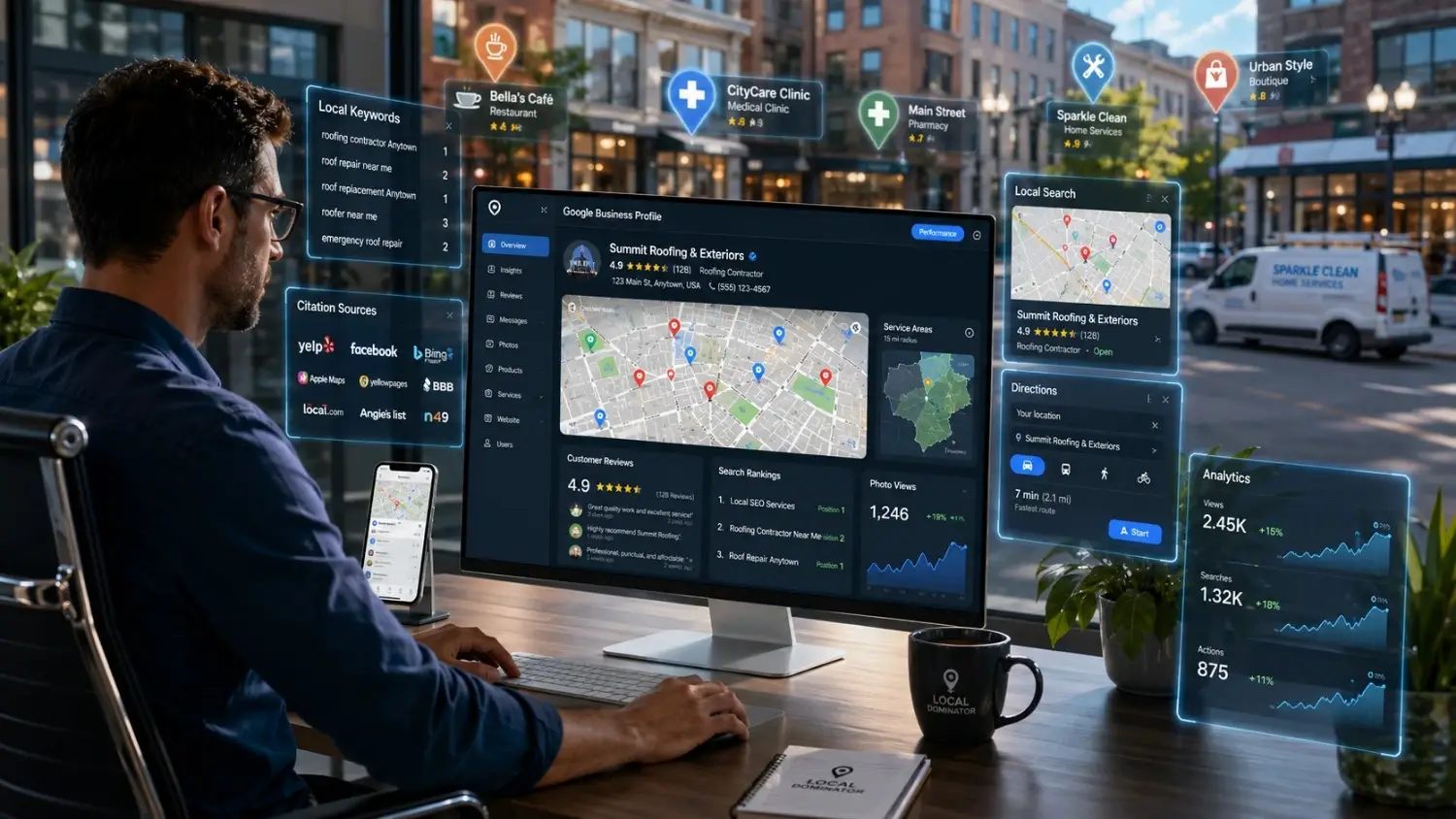
Hyper-local SEO helps your firm appear for nearby accident searches. Google Business Profile supports map visibility, trust, calls, and directions. It matters most when victims search from mobile devices.
Use a real address that follows Google’s business rules. Keep your firm’s name, address, and phone consistent everywhere. Correct duplicates and outdated listings across legal directories.
Optimize Your Profile
A complete profile gives Google and users clearer business information. Accurate details improve trust and support stronger local relevance. Every field should match your real services and location.
Choose the most accurate primary category. “Personal Injury Attorney” may fit many car accident firms. Add service areas, hours, phone details, and a clear business description.
Mention car accident representation and nearby locations naturally. Avoid keyword stuffing or false location claims. Upload professional photos that reflect your actual office and team.
Reviews are Currency
Client reviews help potential clients judge trust and service quality. Recent and detailed reviews also support local credibility. They show that your firm actively serves real people.
Ask satisfied clients for honest feedback after appropriate case milestones. Never pressure clients or suggest what they should write. Follow privacy rules when you respond.
Reply to both praise and concerns with care. Keep replies professional and avoid sharing case details. A steady review process works better than rare review bursts.
Post Updates
GBP posts keep your profile active and useful. They can highlight legal guides, office updates, and community information. Each post should offer a clear reason to click.
Share short tips about accident steps, insurance calls, or claim documents. Link each post to the most relevant page. Avoid aggressive claims or guaranteed outcomes.
Post updates can also support brand recall. People may see your firm before they need legal help. Familiarity can support trust during a later search.
Build City-Plus-Case-Type Landing Pages
City-plus-case-type pages target specific local legal searches. They work best when each page offers unique local value. Thin pages can weaken quality and cause keyword cannibalization.
Examples include “Dallas rideshare accident lawyer” or “Miami truck accident attorney.” Only build pages for locations your firm truly serves. Each page should match your staff, licenses, and case focus.
Build City-Specific Hubs
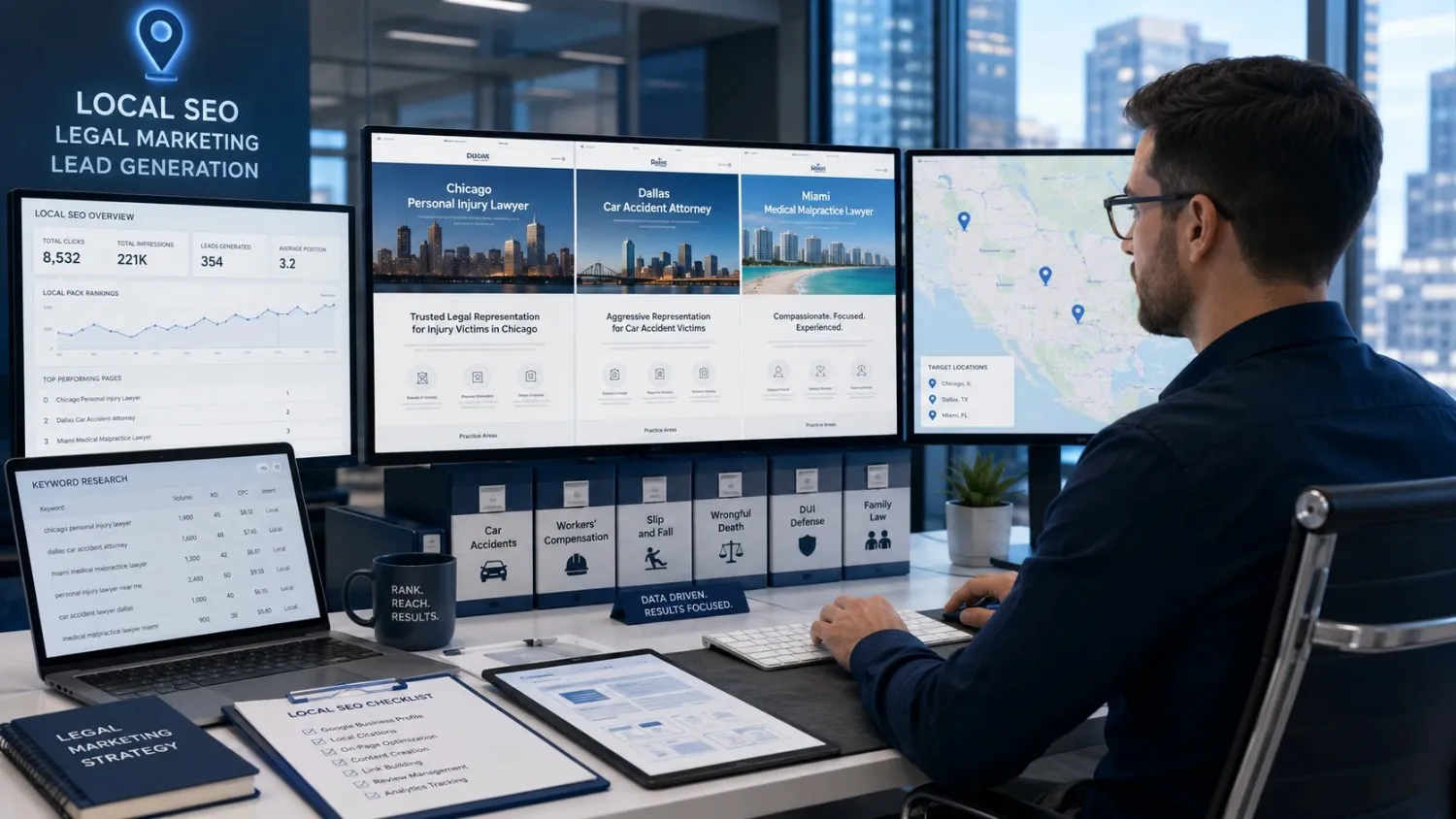
A city hub organizes all relevant local accident content. It gives users one clear place to explore services and resources. It also strengthens internal links across related pages.
The hub can feature car crashes, truck cases, pedestrian claims, and local guides. Add links to attorney profiles, contact options, and key FAQs. Keep navigation simple for injured visitors.
Use one main city hub before creating many narrow pages. This structure gives new pages a strong parent topic. It also prevents disconnected content across the site.
Tailored Content
Tailored content connects legal services with real local needs. It should mention accurate roads, courts, crash risks, and local processes. Never add local facts without checking them first.
Explain how your firm handles cases in that area. Add useful details about nearby medical care or reporting steps when appropriate. Keep each page distinct from other city pages.
Include trust elements that legal rules allow. These may include credentials, memberships, reviews, and case experience. Never present past results as guaranteed future outcomes.
Schema Markup
Schema markup helps search engines understand page details. It can clarify your firm, attorneys, services, and FAQs. Schema won’t replace useful content or strong local signals.
Use accurate LegalService, Organization, Person, and Breadcrumb schema where appropriate. Add FAQ schema only when questions appear visibly on the page. Keep every markup detail consistent with page content.
Test markup after major website changes. Fix errors, warnings, and mismatched business information. Clean schema supports broader technical SEO quality.
Build Hyper-Local and Topic-Driven Content
Hyper-local and topic-driven content reaches users across the decision journey. Some visitors need quick legal help. Others need answers before they feel ready to call.
Build content around real questions your intake team hears. Group related topics into clear clusters. Link every educational article toward a relevant service page.
Top-of-Funnel (Informational)
Top-of-funnel content answers early accident questions. It builds awareness before a visitor chooses legal representation. The best articles solve one problem clearly.
Useful topics include delayed symptoms, fault rules, insurance calls, and claim timelines. Explain what steps protect the reader’s rights. Avoid giving personal legal advice without case facts.
Give the answer near the top of each section. Then add examples, checklists, or simple explanations. This structure supports snippets and AI search visibility.
Bottom-of-Funnel (Transactional)
Bottom-of-funnel content targets visitors ready to contact a lawyer. These pages should focus on services, locations, and case types. They also need strong trust and conversion elements.
Use clear terms like car accident lawyer near me or accident attorney near me. Explain who you help and what happens after contact. Add visible phone buttons and short forms.
Keep the message helpful rather than forceful. Injured people may feel scared, tired, or confused. Clear next steps can reduce stress and improve conversion rate.
FAQ Optimization
FAQ optimization answers specific legal questions in an easy format. Clear answers help users and search engines understand the page. They can also support featured snippets.
Start each answer with a direct response. Keep the next lines practical and simple. Use questions based on real search behavior and intake conversations.
Avoid placing the same FAQ block on every page. Match each question to the page topic. This keeps content useful and reduces duplication.
Strengthen Technical SEO Beyond Page Speed
Technical SEO helps search engines crawl, understand, and index your site. Speed matters, but it isn’t the whole technical picture. Strong sites also need clean URLs, redirects, sitemaps, and canonicals.
Run regular audits using reliable crawling and analytics tools. Fix issues that block important pages first. Then improve lower-impact warnings over time.
Audit Crawlability and Indexation
Crawlability lets search engines access your important pages. Indexation decides whether those pages can appear in search results. Both need regular review.
Check robots.txt, noindex tags, internal links, and server responses. Review Google Search Console for excluded or discovered pages. Confirm that important service pages remain indexable.
Large firms should also watch crawl waste. Filter pages, search pages, and duplicate URLs can consume resources. Block or consolidate them when they add no search value.
Fix Duplicate URLs, Canonicals, and Redirect Chains
Clean URL signals help search engines choose the correct page. Duplicate URLs can split authority and confuse reporting. Long redirect chains also slow users and crawlers.
Set one preferred version for every important page. Redirect old URLs directly to the final destination. Avoid sending visitors through several redirects.
Check HTTP and HTTPS versions, trailing slashes, and tracking parameters. Make canonicals self-referencing on unique pages. Review these rules after redesigns or migrations.
Maintain XML Sitemaps and a Clean URL Structure
XML sitemaps help search engines find key pages. Clean URLs also show users what each page covers. Both support stronger site organization.
Include only indexable, canonical pages in your sitemap. Remove redirected, broken, or blocked URLs. Submit updated sitemaps through Google Search Console.
Use short URLs with clear words. Keep practice areas, locations, and articles in logical folders. Avoid dates or random numbers unless they serve a real purpose.
Track and Convert Traffic (CRO)
Conversion tracking shows whether SEO traffic creates real opportunities. Rankings alone can’t prove lead quality or signed cases. Firms need data from calls, forms, chats, and intake outcomes.
Use tools like Google Analytics and call tracking software. Connect source data with your CRM when possible. Track qualified leads, not only total enquiries.
Mobile Optimization
Mobile optimization makes it easy for injured users to contact your firm. Many accident searches happen on phones. Small screens need simple layouts and large tap targets.
Use readable text, clear spacing, and click-to-call buttons. Keep forms short and avoid intrusive pop-ups. Test each page on several screen sizes.
Place key contact options near the top. Don’t hide phone numbers inside menus. A fast path to help can increase qualified lead actions.
Clear Calls-to-Action (CTAs)
Clear CTAs tell visitors what step to take next. They reduce doubt and guide action. Every key page should include a simple contact option.
Use phrases like “Request a Free Consultation” or “Call Our Accident Team.” Explain what happens after the visitor submits. This can lower fear and build trust.
Keep forms focused on essential details. Ask for name, contact method, accident date, and brief notes. Your intake team can collect deeper information later.
Page Speed
Page speed protects user experience and supports conversions. Slow pages can push stressed visitors back to search results. Mobile users often feel this problem first.
Compress large images and remove unused scripts. Limit heavy plugins and third-party tools. Use reliable hosting and caching.
Test key landing pages after every major update. Focus on real user experience, not one score alone. Faster pages support stronger SEO performance and lead capture.
Organic SEO vs Paid and Purchased MVA Lead Channels
Organic, paid, and purchased leads serve different business goals. SEO builds long-term demand, while paid channels can create faster volume. A balanced plan can reduce risk and support growth.
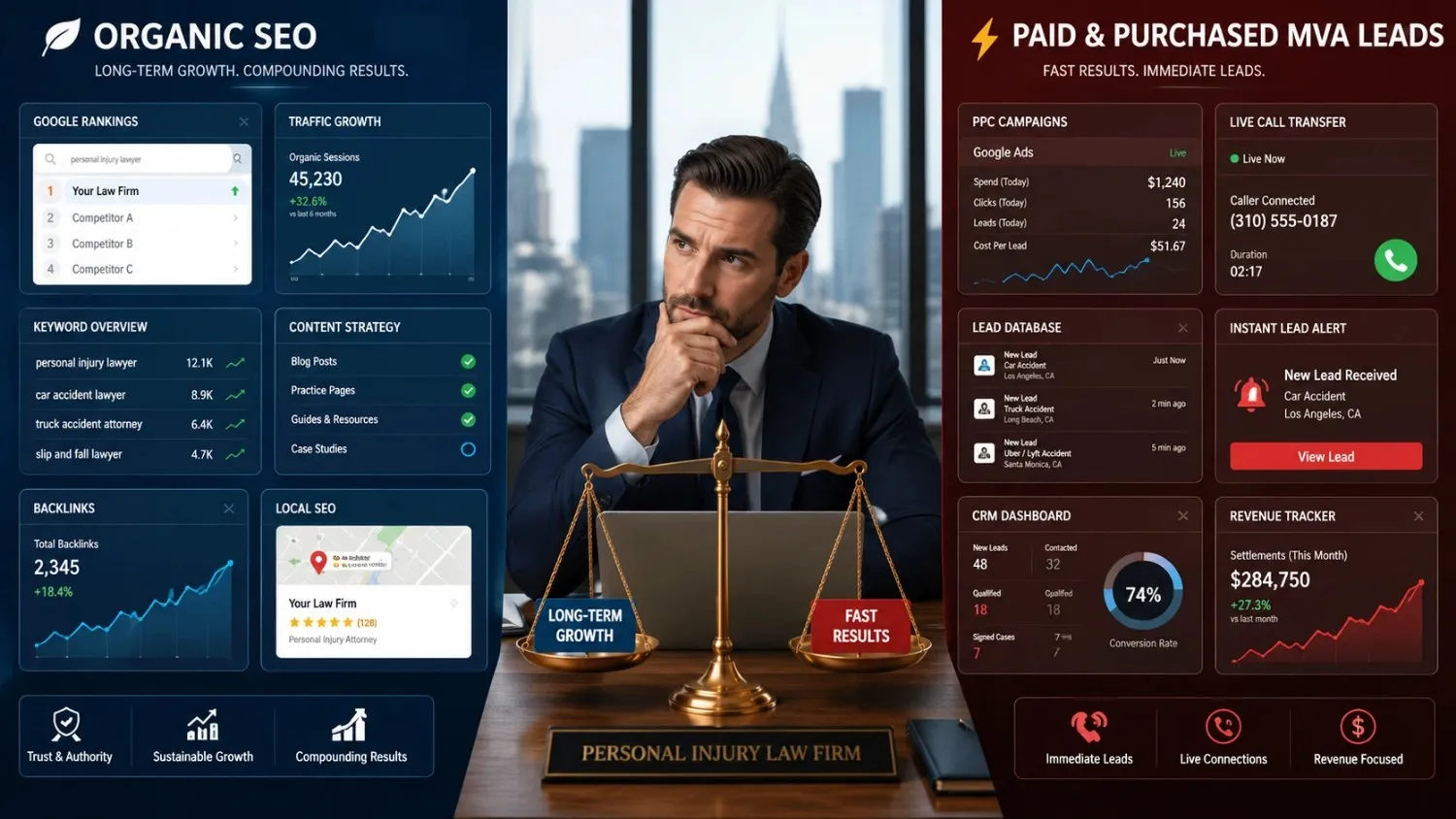
The right mix depends on budget, location, intake capacity, and case focus. Review lead quality and signed cases by source. Don’t judge any channel by lead volume alone.
| Channel | Main Strength | Main Limitation | Best Use |
| Organic SEO | Builds lasting visibility | Needs steady work | Long-term growth |
| PPC | Creates faster search traffic | Charges for each click | Immediate demand |
| Social media | Builds awareness and remarketing | Lower direct intent | Education and recall |
| Purchased leads | Adds lead volume quickly | Quality can vary | Extra intake capacity |
Organic SEO vs PPC for Car Accident Lawyers
SEO builds owned visibility, while PPC buys immediate search exposure. Both can reach high-intent accident victims. Their costs, speed, and long-term value differ.
PPC can support new markets or urgent growth goals. SEO usually needs more time but can keep producing traffic. Strong firms often use PPC while building organic authority.
Track cost per qualified lead and signed case. Don’t compare channels using clicks alone. Intake quality can change the true ROI.
How Social Media Supports Organic MVA Lead Generation
Social media supports awareness, trust, and content reach. It rarely replaces high-intent search traffic. It works best beside SEO and local visibility.
Share useful videos about accident steps, insurance calls, and legal rights. Platforms like Facebook and Instagram can reach local audiences. They can also bring past visitors back to your site.
Keep every post accurate and easy to understand. Link to strong articles or service pages. Social proof can support later search decisions.
Buying Exclusive Auto Accident Leads from a Lead Generation Company
Exclusive leads can add faster opportunities to your intake pipeline. A provider sends each lead to one firm or limited buyers. Quality still depends on sourcing, screening, and consent.
Ask how the company generates auto accident leads. Review location filters, accident dates, contact methods, and return rules. Confirm that marketing and consent practices meet legal requirements.
Buying leads can support growth while SEO develops. It shouldn’t replace your owned search assets. Treat it as one part of a robust lead generation strategy.
Auto Accident Lead Pricing and Cost Considerations
Auto accident lead pricing depends on exclusivity, location, and screening quality. Higher prices don’t always mean better signed cases. You must review the quality of the leads.
Compare providers using qualified contacts and case acceptance. Include staff time, duplicate rates, and follow-up effort. Measure total acquisition cost, not only price per lead.
Start with a controlled test and clear intake rules. Review calls and outcomes before increasing spend. Stop sources that fail quality or compliance checks.
Key Takeaways
- Map each keyword group to one focused page.
- Build local authority through GBP, reviews, and unique city content.
- Connect educational content with clear service pages and CTAs.
- Fix crawl, index, redirect, and sitemap issues.
- Track qualified leads and signed cases by source.
Conclusion
SEO works best when every page serves a clear search need. Strong local signals help nearby victims find your firm. Useful content then builds trust before contact.
A clean website and fast intake turn traffic into real opportunities. Track qualified leads, conversion rate, and signed cases. Improve pages based on real outcomes, not rankings alone.
TOP7SEVEN is a trusted leads generation partner for personal injury firms. Visit 4878 Nickel Road, El Monte, CA 91731. Call (209)-655-3042 or email contact@top7seven.com. We can help you build an organic MVA lead system today.
FAQ
Why Does SEO for Car Accident Lawyers Matter?
SEO helps Car Accident Lawyers appear when injured people search for legal help. It builds trust, brings local traffic, and creates steady organic leads.
How Do Lawyers Attract New Clients Online?
Lawyers attract new clients through local SEO, helpful content, Google Business Profile updates, strong reviews, clear calls to action, and fast follow-up.
What Should You Not Say to an Injury Lawyer?
Accident victims shouldn’t hide facts, guess details, or exaggerate injuries. Honest information helps the lawyer assess the case and give better advice.
What Is the Hardest Injury to Prove After a Car Accident?
Injuries without clear medical records are often harder to prove. Victims should seek care quickly, follow treatment plans, and keep all records.
What Do Insurance Companies Fear Most in an Injury Claim?
Insurance companies worry about strong evidence, skilled legal help, and well-prepared claims. Clear records can improve negotiations and protect an accident victim’s rights.