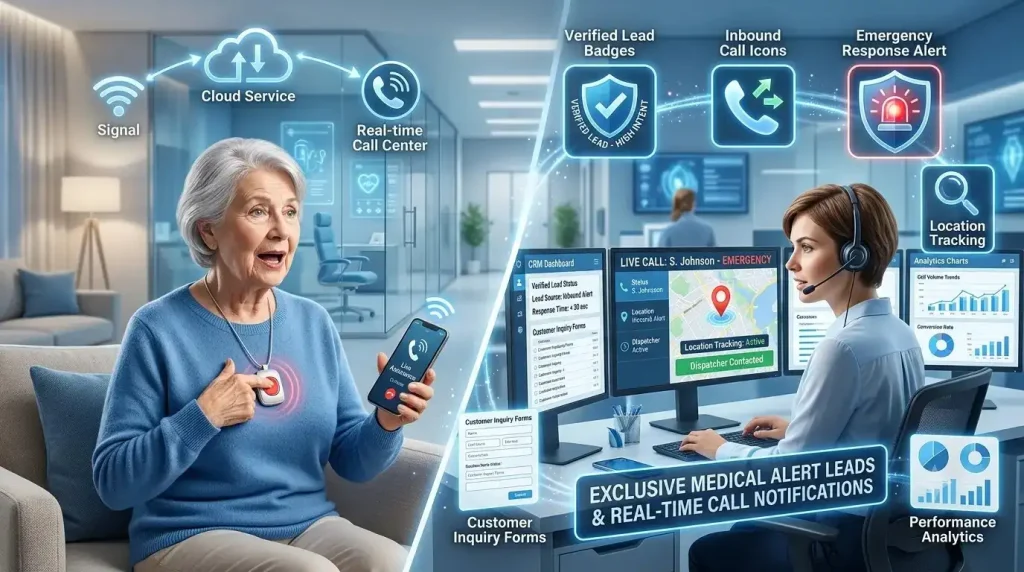
Your sales team should get exclusive Medical Alert Leads and Calls, not recycled contacts. Exclusive prospects reach your team before competing providers. This helps when a senior needs a fast answer about safety. Shared forms often waste the first valuable minutes.
Top7seven helps advertisers turn high-intent traffic into calls and leads. After 20 years in lead generation, I watch response time closely. Fast answers build trust with older adults and caregivers. Slow answers invite another provider into the sale.
This guide shows how exclusive leads, live calls, and routing rules improve results. You will learn targeting, qualification, costs, compliance, and better call handling. Contact Top7seven at 4878 Nickel Road, El Monte, CA 91731. Call (209) 655-3042 or email contact@top7seven.com today.
What Exclusive Medical Alert Leads Are
Exclusive medical alert leads belong to one provider, not several competing sellers. They may arrive as calls, warm transfers, or web forms. Exclusive rights remove the race for first contact. Those rights must appear clearly in writing.
This problem happens when sellers buy vague leads without ownership rules. Some vendors call a contact exclusive, yet sell it later. Ask for timestamps, lead IDs, resale limits, and replacement terms. Real job note: copied forms create arguments after sales teams already spend time.
Medical Alert Leads for Providers
Medical alert leads for providers connect sellers with people researching safety devices. They often include seniors, adult children, and professional caregivers. Agents need clear need, location, and contact details. Missing fields force long calls and weak follow-up.
Live Inbound Calls
Live inbound calls place an interested person directly with your sales team. Customers may ask about an emergency button, pricing, or fall detection. Live calls work best when an agent answers immediately. Voicemail often ends the buying moment.
Medical Alert Live Transfers
Medical alert live transfers move a screened caller to your available agent. The transfer agent confirms basic interest before connecting both parties. Ask whether the caller hears a clear handoff message. Silent transfers often feel confusing and reduce trust.
Medical Alert Web Leads
Medical alert web leads give teams details for later contact and nurture. They suit shoppers comparing devices after work or during caregiving hours. Reply fast with a helpful call, text, or email. Never assume a form means instant purchase.
What Makes a Medical Alert Lead Exclusive
A lead is exclusive when only your company receives it. Territory, device type, and time window must be defined. Ask whether the same phone number can return later. That detail prevents hidden duplication.
Billable Call and Qualified Lead Definitions
Billable rules define when a call or form earns a charge. Good rules name duration, intent, geography, and valid phone numbers. Keep them simple enough for daily audits. Vague rules become expensive disputes.
Lead Ownership, Resale Rights, and Duplicate Protection
Ownership rules protect lead use, resale rights, and duplicate claims. Your contract should block resale during your agreed exclusivity period. Ask for a unique lead ID and source timestamp. Those records settle disagreements quickly.
How Medical Alert Lead Campaigns Work
Medical alert lead campaigns connect interested shoppers with matching providers in real time. You can use search ads, local pages, direct response ads, and referral content. Each source creates different questions and buying speeds.
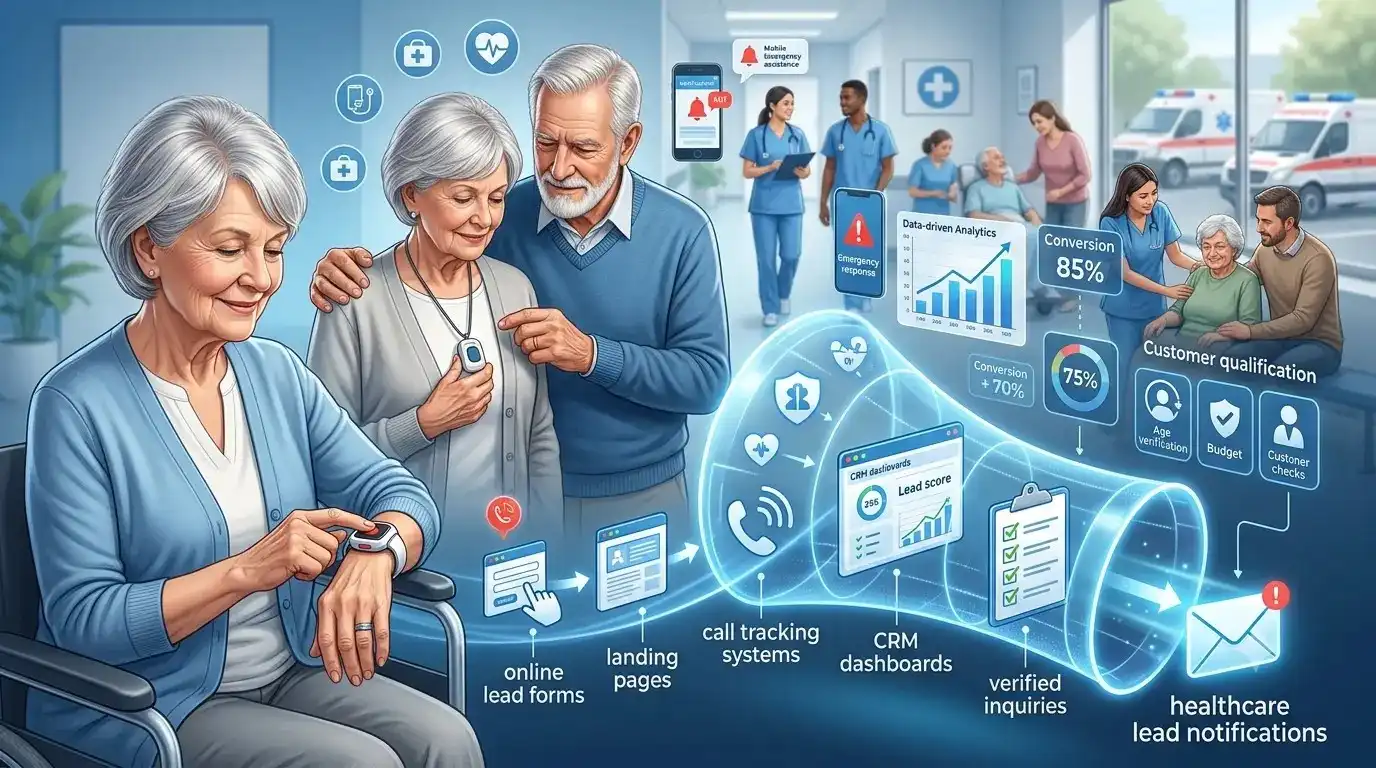
Customers struggle when calls reach closed offices or untrained agents. Set state routing, ZIP rules, schedules, overflow paths, and retry limits. Real-time rules keep a Florida caller from reaching a California-only provider. That protects caller trust and sales time.
Lead Sources Through Local SEO, Paid Search, and Direct Response Marketing
Local SEO, paid search, and direct response ads bring different medical alert shoppers. Search leads ask direct questions, while social leads may need more education. Track every source separately before shifting budgets. One busy channel can hide poor close rates.
Consumer Consent Capture and Lead Verification
Consent capture records how a person agreed to contact and follow-up. Store form language, date, time, phone, page, and source. Verify phone numbers before agents chase bad records. Consent proof protects both the consumer and provider.
Real-Time Call Routing by State, ZIP Code, and Business Hours
Real-time routing sends each call by state, ZIP code, and open hours. Match the caller with a licensed or available local sales team. Set backups for busy periods and holidays. Bad routing loses callers during urgent moments.
Warm Transfers and Direct Call Connections
Warm transfers introduce the caller before the provider takes the conversation. A short summary prevents the caller from repeating painful details. The best handoff states need, location, and contact name. Agents should greet the caller by name.
Call Acceptance Rules and Agent Availability
Call acceptance rules stop unavailable teams from receiving leads they cannot serve. Use capacity caps, ring limits, and agent status signals. Pause traffic when queues grow. More volume never fixes poor coverage.
Missed Calls, Overflow Handling, and Retry Rules
Overflow rules protect missed calls when agents remain busy. Send callers to trained backups, scheduled callbacks, or another approved route. Set retry rules for web leads and dropped transfers. Never allow endless redials to frustrate a loved one.
How Medical Alert Leads Are Qualified
Qualified medical alert leads show a real safety need and a workable service match. Qualification does not mean forcing a purchase. It means learning who needs help, where they live, and why.
Customers may seek a medical alert device after a recent fall. Others want peace of mind for a parent living alone. Use kind questions, not hard pressure. That approach earns better answers and fewer cancellations.
Senior and Caregiver Decision Makers
Seniors and caregivers are common decision makers for medical alert services. Ask who will wear the device and who pays. Adult children often need updates before they decide. Respect the senior’s voice during every call.
In-Home Medical Alert, Mobile GPS, and Fall Detection Needs
Device needs include in-home coverage, mobile GPS, and automatic fall detection. Some people need a pendant; others prefer a wrist button. Ask where they spend most days. Do not sell features they will never use.
Service Area, Cellular Coverage, and Device Availability
Coverage questions confirm whether cellular or landline service fits the home. Ask about weak signals, travel, and rural addresses. Check device availability before promising fast shipping. Coverage gaps cause early returns.
Purchase Readiness, Budget, and Monitoring Plan Questions
Budget questions reveal which monitoring plan a household can manage. Explain equipment, monthly monitoring, shipping, and possible cancellation fees. Do not hide a low-priced device behind costly terms. Clear pricing protects trust.
Existing Device Ownership and Switching Intent
Existing ownership shows whether a caller needs replacement or wants to switch. Ask what failed, what confused them, and why. Many switchers dislike poor response or hard billing. Those answers shape the right offer.
Exclusive Medical Alert Leads Compared With Shared Leads
Exclusive leads reduce direct competition, while shared leads increase speed pressure. Shared calls can cost less upfront, but may cost more through lost agent time. Your best choice depends on close rate, staffing, and follow-up speed.
Customers struggle when several providers call the same caregiver at once. They often stop answering unknown numbers. Use live calls for urgent needs and web leads for planned research. Track outcomes by source before deciding.
Competition, Response Time, and Lead Decay
Competition makes fast response essential, because lead value drops quickly. Callers remember the first calm, helpful agent. Set a target for live answer and first web response. Measure it each week.
Shared Lead Risks for Medical Alert Providers
Shared lead risks include repeat calls, price shopping, and low response. Some consumers feel chased after submitting one form. That hurts your brand and wastes your agents. Exclusive delivery gives one provider room to help.
Duplicate, Invalid, and Nonmatching Call Disputes
Dispute rules address duplicate, invalid, and nonmatching calls before billing. Define wrong numbers, wrong states, repeat contacts, and non-service requests. Require call recordings or source records for reviews. Do not debate claims without evidence.
When Web Leads May Be Better Than Live Calls
Web leads may beat live calls when shoppers need time or family approval. They work well for email guides, reminders, and scheduled calls. Live calls fit people asking for help now. Use both paths when budgets allow.
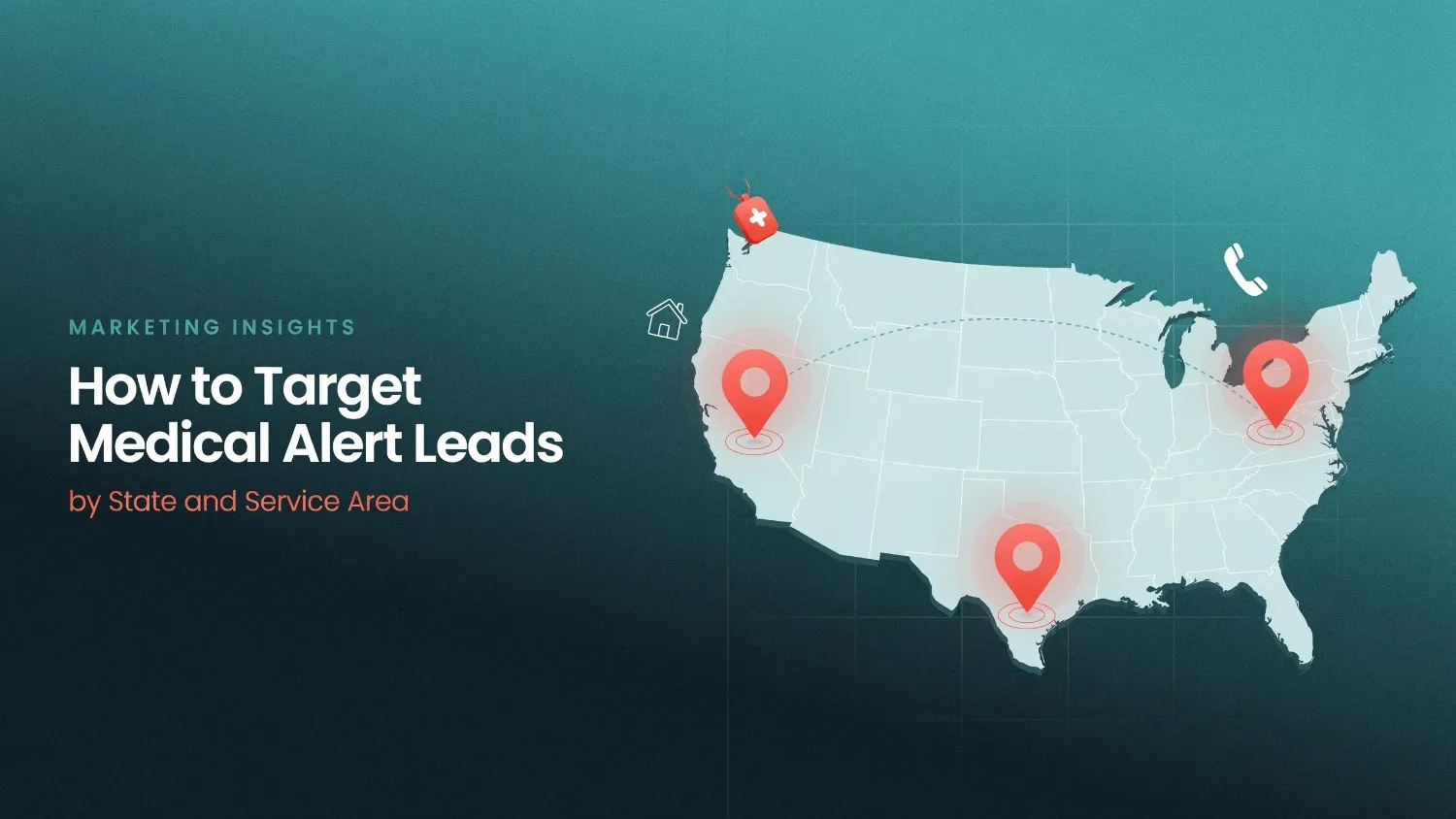
How to Target Medical Alert Leads by State and Service Area
State and service-area targeting puts medical alert leads where your team can serve them. National campaigns fail when providers cannot cover every location. Start with proven states, then expand by results.
You can solve this by matching traffic volume with staffed hours and delivery capacity. Use local pages that show service coverage and real phone support. Route calls by the caller’s time zone. People should not reach a closed office.
Target States, Cities, ZIP Codes, and Territories
Targeting can use states, cities, ZIP codes, and exclusive territories. Choose areas with clear device delivery and monitoring support. Avoid broad maps that agents cannot explain. Small territory tests reveal useful patterns.
Match Lead Volume to Sales Capacity
Sales capacity sets the safe number of leads your team can handle. Start below your agent limit. Increase volume after calls receive fast, helpful answers. Overflow creates lost trust.
Use Time-Zone-Based Routing and Local Call Coverage
Time-zone routing sends calls during local business hours and staffed evenings. Caregivers often research after daytime work. Offer coverage when those calls arrive. Night traffic needs clear backup plans.
Set Territory Exclusivity Rules
Territory exclusivity prevents competing providers from receiving the same local lead. Write the geographic rule into the agreement. Check border ZIP codes before launch. Loose borders cause disputes.
Build Local Landing Pages With Service Proof
Local landing pages prove that your service can help nearby households. Show accurate service details, contact options, and simple device explanations. Do not pretend to have offices everywhere. False local claims damage trust.
Build Medical Alert Lead Acceptance Criteria Before Launching a Campaign
Lead acceptance criteria tell vendors exactly which medical alert leads you will buy. Written rules protect callers, agents, and budgets. Build them before media spending starts.
Customers struggle when providers reject leads after taking the call. Set fields, hours, eligibility, and rejection steps upfront. Run a small pilot first. Then adjust with real call evidence.
Before launch, document:
- Approved states, ZIP codes, and operating hours
- Accepted medical alert device types
- Valid call and web lead definitions
- Duplicate and replacement procedures
- Proof needed for rejected leads
Define Approved Geographies, Device Types, and Operating Hours
Approved rules list service areas, device types, and operating hours. Include mobile, in-home, landline, and cellular options. Name any excluded states. Do not leave coverage open to guesses.
Set Required Qualification Fields
Required fields make each web lead easier to contact and assess. Collect name, phone, ZIP, device need, and consent details. Ask fewer questions than a long insurance form. Simple forms convert better.
Establish Billable Call and Lead Rejection Rules
Rejection rules define which calls and forms are not billable. List wrong numbers, duplicates, non-covered states, and fake submissions. Agree on proof deadlines. Late claims are hard to verify.
Document Replacement and Dispute Procedures
Replacement procedures explain how valid credits or replacement leads work. Set review times and needed proof. Use one shared record for each case. That keeps vendor talks calm.
Validate Lead Quality Before Increasing Budget
Pilot validation checks lead quality before you increase campaign spend. Review recordings, notes, source pages, and final sales outcomes. Look for repeated patterns, not one bad call. Scale only after your data agrees.
Buy Medical Alert Leads or Generate Them In House
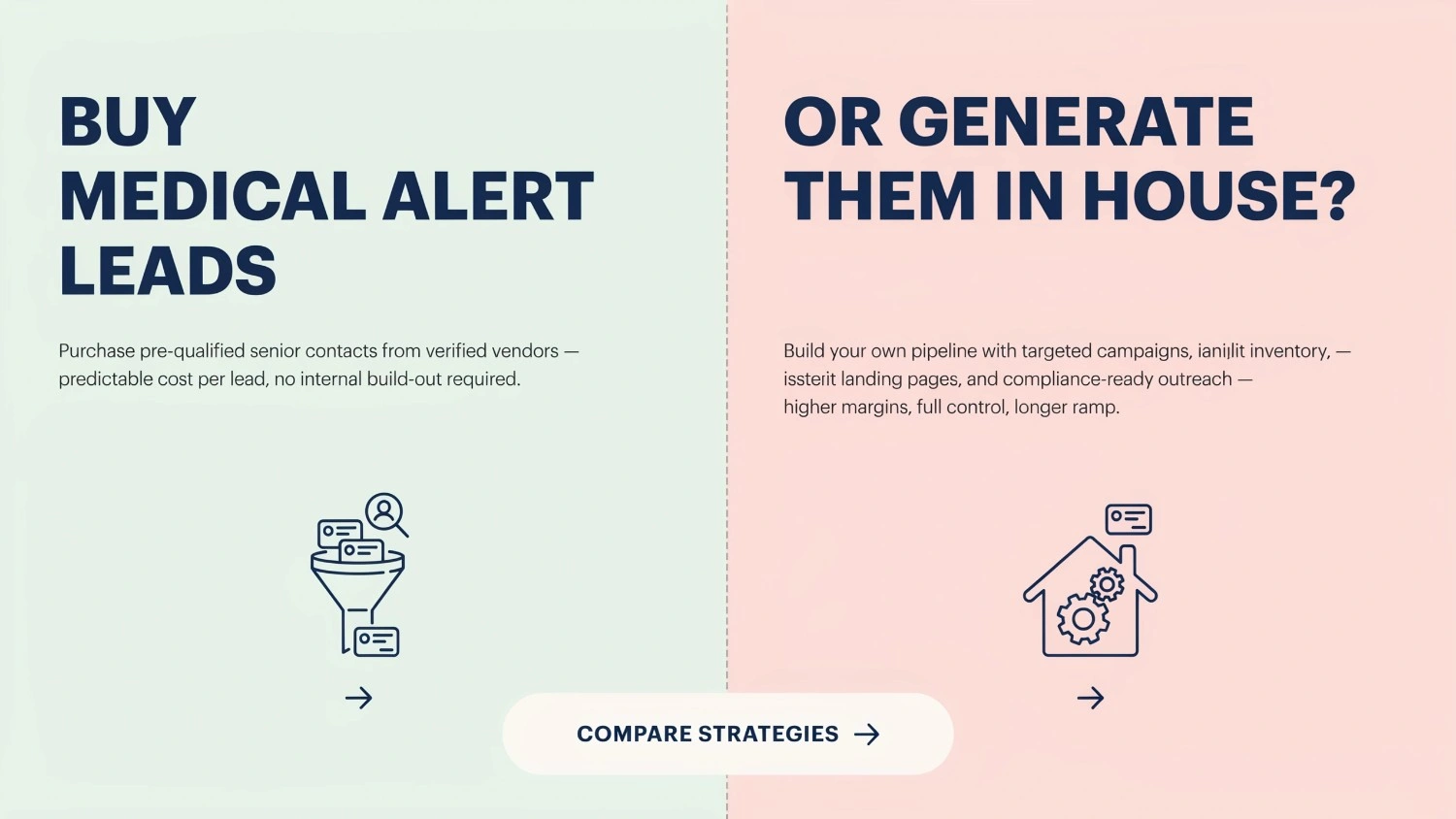
Buying leads gives speed, while in-house generation gives more control. Neither model wins in every market. Your sales process and budget decide the better path.
Real job note: new providers often buy calls while building local SEO. They gain early conversations without waiting for pages to rank. Later, a hybrid approach can lower dependence on one source. Track every dollar from first contact to sale.
Buying Exclusive Inbound Calls and Web Leads
Buying exclusive inbound calls and web leads creates immediate sales opportunities. Check source quality, routing, and ownership before buying volume. Cheap calls can hide poor fit. Ask for a test campaign.
Generating Medical Alert Demand Through SEO and Paid Search
In-house SEO and paid search build demand under your own brand. Create helpful pages about fall detection devices, GPS, and caregiver safety. Paid search can bring fast demand, but needs close control. Landing pages must match each ad.
Using a Hybrid Lead Generation Strategy
A hybrid strategy combines purchased leads with owned SEO and paid traffic. This spreads risk across several sources. It also reveals where your best customers start. Do not mix source reports.
Choosing the Right Acquisition Model for Your Business
The right acquisition model matches your cash flow, team, and growth plan. Buy when speed matters. Build in-house when long-term brand control matters. Use both when reports stay clear.
How to Evaluate a Medical Alert Lead Generation Provider
A good medical alert lead provider shows where leads come from and how they qualify. Transparency matters more than polished promises. Ask hard questions before agreeing to monthly minimums.
Customers need clear records when sensitive safety details appear in a form. Your partner should protect data and provide evidence. Review integrations, recordings, and dispute terms. That work prevents surprises after launch.
Lead Source Transparency and Channel Mix
Lead-source transparency shows whether demand comes from search, content, or ads. Each channel has different intent and cost patterns. Ask for source-level reporting. Unlabeled traffic hides problems.
Qualification Rules and Verification Standards
Qualification standards show how the provider checks need, contact data, and service fit. Ask which questions agents ask before a live transfer. Review sample calls when allowed. Strong scripts stay helpful, not pushy.
Consent Records, Lead Timestamps, and Call Evidence
Consent records prove the consumer’s request, timestamp, and lead source. Ask for form copies, phone records, and call evidence. Store them safely. Sensitive data needs careful access.
CRM Integration, Attribution, and Call Disposition Reporting
CRM integration links every lead with outcomes, source, and call disposition. Use fields for contacted, qualified, sold, and lost. Compare results by state and device need. Good reports show where to improve.
Contract Terms, Minimums, Refunds, and Replacement Policies
Contract terms explain minimums, refunds, credits, and replacement rules. Read the pause terms too. Some contracts keep sending traffic during staff shortages. Choose terms your team can manage.
How Much Do Medical Alert Leads Cost?
Medical alert lead costs depend on format, targeting, and qualification rules. A price alone never shows value. Measure cost against qualified conversations and completed sales.
Hidden costs include missed calls, bad routing, slow follow-up, and poor reports. Use a test budget before committing to volume. Track every lead through the sale. That gives you a fair decision.
| Metric | What It Measures | What to Ask |
| Cost per lead | One web contact | How do you define a valid contact? |
| Cost per call | Each accepted inbound call | What duration makes it billable? |
| Cost per transfer | Screened call to an agent | What happens before the handoff? |
| Cost per sale | Spend divided by sales | Which source produces this result? |
Cost Per Lead, Cost Per Call, and Cost Per Transfer
Cost per lead, call, and transfer measure separate parts of your buying process. Never compare them without matching qualification rules. A lower call price may include weaker intent. Compare closed sales.
Minimum Billable Call Duration
Minimum billable duration sets the shortest paid call length. Longer does not always mean better. Ask whether duration starts before or after connection. That detail changes invoices.
Cost Per Qualified Conversation
Cost per qualified conversation shows what useful sales talks truly cost. Count conversations with need, service fit, and reachable contact details. Exclude simple wrong-number calls. This metric helps managers coach better.
Cost Per Sale and Return on Investment
Cost per sale shows whether leads produce enough revenue for your model. Use actual completed orders, not hopeful quotes. Include refunds and cancellations. Then compare sources fairly.
Test Campaign Budget, Volume, and Scale Decisions
Test budgets help you learn before scaling a campaign. Set a small volume, review window, and success target. Increase only after results repeat. Big commitments hide early flaws.
Medical Alert Lead Compliance in the United States
Medical alert lead compliance requires clear consent, privacy controls, and calling procedures. This section gives operating guidance, not legal advice. Your attorney should review your exact ads, scripts, and state rules.
The FTC says covered telemarketers must screen National Do Not Call numbers. Covered telemarketers must refresh lists at least every 31 days. The FCC also regulates consent for telemarketing calls and automated outreach. Build compliance into campaign design, not after complaints.
Consent Requirements for Transfers and Follow-Up Outreach
Consent rules guide inbound transfers and any later marketing outreach. Keep the exact consent language with each lead record. Do not rely on memory or verbal summaries. Confirm rules before calling or texting.
National and Internal Do-Not-Call Controls
Do-Not-Call controls block outreach to numbers that should not receive telemarketing calls. Maintain company-specific requests too. Train agents to record opt-outs immediately. Do not treat a transfer as unlimited permission.
State Calling Hours and Recording Rules
State rules can affect calling hours, recording notices, and outreach limits. Check every target state before launch. Use required announcements where needed. Review your process often.
Consumer Privacy and Vendor Responsibilities
Privacy controls limit access to sensitive consumer data and call records. Give staff only the data they need. Use secure systems and clear vendor duties. Never collect health details without a business reason.
Compliance Records Your Lead Provider Should Supply
Good providers supply consent records, lead sources, timestamps, and call evidence. Ask how long they keep those records. Confirm who can access them. Written procedures improve accountability.
How to Convert More Medical Alert Leads and Calls
More medical alert leads convert when agents answer quickly and listen carefully. The first minute often decides whether callers stay engaged. Kind language beats a rushed product pitch.
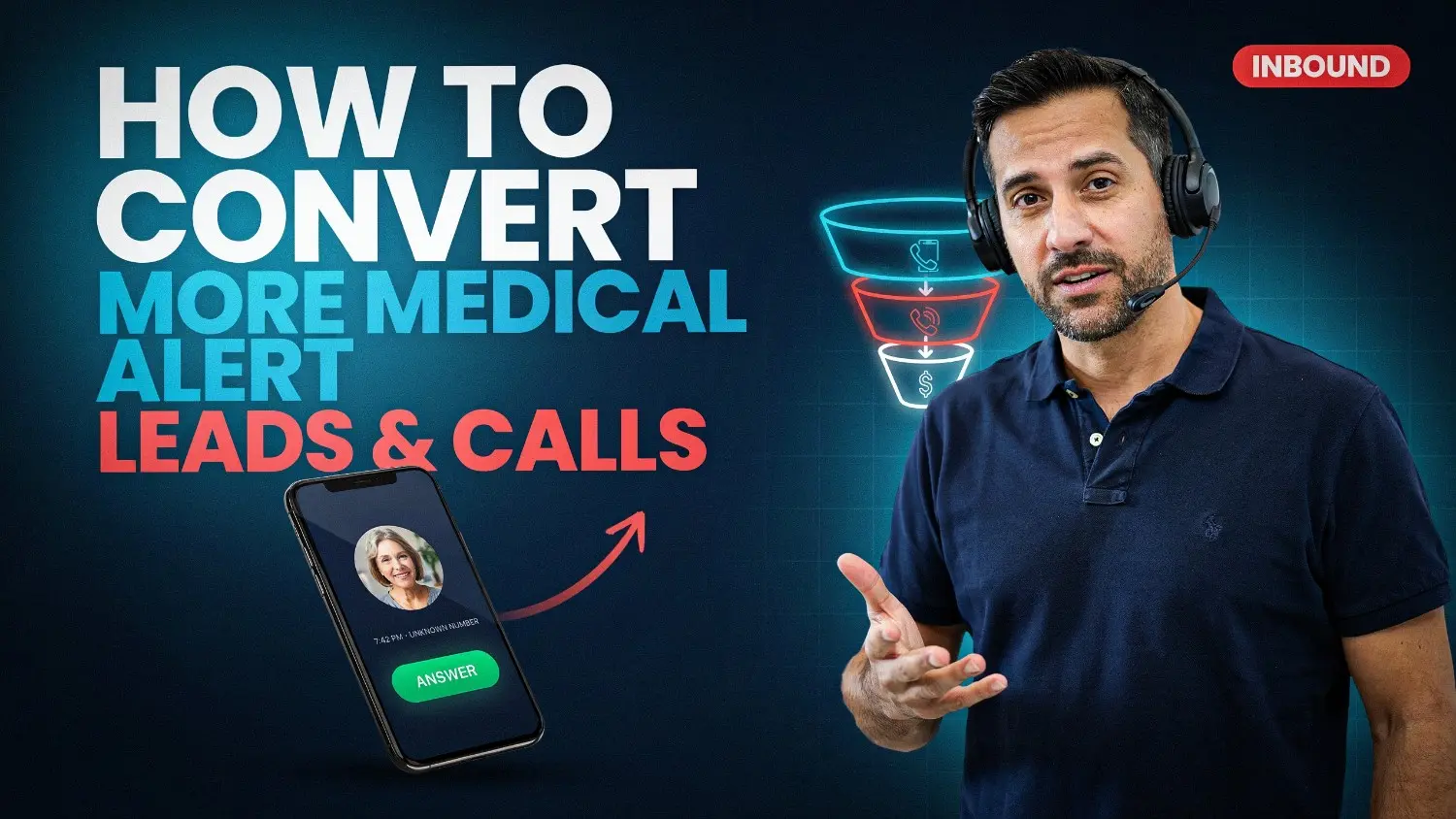
Customers may feel worried after a fall or hospital visit. Agents should explain the medical alert system in plain language. Review results by source, state, need, and sale. Then coach from real call notes.
Use this daily call check:
- Answer live calls quickly.
- Confirm the caller’s safety need.
- Explain device fit and pricing clearly.
- Record the outcome inside your CRM.
- Follow up using approved methods.
Maintain Live Answer Coverage and Agent Availability
Live answer coverage keeps urgent callers from reaching voicemail. Staff peak hours and watch unanswered-call reports. Use trained backups during lunch and evenings. Every missed call has a cost.
Train Agents for Senior and Caregiver Conversations
Senior and caregiver training helps agents ask calm, respectful questions. Speak slowly and avoid confusing terms. Let people explain their worries. Pressure causes cancellations.
Handle Device, Monitoring, and Pricing Questions Clearly
Clear pricing answers prevent surprises around devices, monitoring, and service terms. Explain charges before asking for payment. Ask whether a family member needs details. Simple answers build confidence.
Follow Up With Web Leads, Missed Transfers, and Abandoned Calls
Follow-up recovers web leads, missed transfers, and abandoned calls. Use approved contact methods and sensible timing. Reference the device question they asked. Generic follow-ups get ignored.
Review Results by State, Source, Device Need, and Sales Outcome
Outcome reviews reveal which states, sources, and device needs produce sales. Look beyond call length. Compare cancellations, returns, and customer service issues. Better patterns guide next month’s spend.
Conclusion
Exclusive Medical Alert Leads and Calls work best with clear rules and fast care. Set ownership, routing, qualification, and compliance before you buy traffic. Train agents to answer safety questions with patience. Then scale from clean reports, not guesses.
Top7seven supports performance campaigns from 4878 Nickel Road, El Monte, CA 91731. Call (209) 655-3042 or email contact@top7seven.com. We can help you build a tested medical alert campaign today. Contact us, and we will map your next qualified call.
FAQ
What are medical alert leads and calls?
Medical Alert Leads and Calls connect medical alert providers with seniors, caregivers, or families seeking safety devices. A lead may come from a form, while a call lets your team speak with the person right away. Exclusive leads go only to your business.
Who needs a medical alert system?
Medical alert systems can help older adults, people with health concerns, and people who live alone. Family members may also search for help for a parent or loved one. Strong Medical Alert Leads and Calls often come from caregivers who need fast support.
How do medical alert systems work?
A person presses a button on a bracelet, necklace, or mobile device during an emergency. The system contacts a monitoring center, family member, or emergency service. Some devices can also detect falls and send an alert without a button press.
How much do medical alert systems cost?
Medical alert systems often include a device cost and a monthly monitoring fee. Prices can change based on fall detection, GPS tracking, and mobile coverage. Many shoppers compare plans first, making them valuable Medical Alert Leads and Calls for providers.
How can medical alert companies get exclusive leads?
Medical alert companies can get exclusive leads through search ads, local SEO, landing pages, and live call campaigns. Exclusive leads are not sent to competing companies. This helps your sales team respond faster and improve the chance of a qualified sale.