Pay Per Call Affiliate Networks in the United States
Pay Per Call Affiliate networks help publishers earn from qualified customer phone calls. Customers lose money when traffic produces weak forms, bad clicks, or fake leads. This model pays when callers meet clear campaign rules.
This work rewards careful setup, not luck. Top7seven has spent over 20 years in pay per call marketing. We have seen profitable calls, rejected calls, buyer caps, and costly traffic mistakes.
This guide explains how Pay Per Call Affiliate networks work in the United States. You will learn how to choose offers, track calls, and protect profits. Contact Top7seven, 4878 Nickel Road, El Monte, CA 91731. Call (209)-655-3042 or email contact@top7seven.com.
What Are Pay Per Call Affiliate Networks
This pay per call affiliate network connects publishers with advertisers buying qualified inbound calls. Publishers promote offers through websites, ads, landing pages, or call centers. Advertisers pay when callers meet agreed rules.
Customers often search for help before calling. This makes inbound phone calls highly valuable. A plumber caller usually needs help faster than a person reading a blog.
Quick answer: Pay-per-call marketing pays publishers for qualified phone calls, not simple clicks. Service Direct describes this model as a system where buyers set qualified-call rules and publishers use trackable numbers.
How Pay Per Call Affiliate Marketing Works
This pay per call affiliate marketing model uses a tracking number for each campaign. Customers call the number after seeing an ad or landing page. The network checks call details before paying the publisher.
This process often includes call length, caller location, and buyer hours. Customers may also need real service interest. A 20-second wrong-number call rarely counts.
How Publishers Earn From Qualified Calls
This system pays publishers after calls meet campaign rules. Publishers may earn fixed payouts, appointment payouts, or revenue-share commissions.
This field lesson matters. A $40 payout means little without strong call intent. Customers who need same-day service often create better conversion rates.
Pay Per Call Affiliate Networks Compared With Pay Per Lead Programs
This pay per call model pays for phone conversations. Pay-per-lead programs often pay for forms, quotes, or email signups.
This difference changes lead value. Customers speaking with a business often show stronger buying intent. This can create higher payouts than simple form campaigns.
Pay Per Call Networks Compared With Offer Marketplaces and Tracking Platforms
This pay-per-call network provides offers, buyers, rules, and payment handling. Offer marketplaces help publishers find available campaigns. Tracking platforms record and route calls.
This problem happens when publishers confuse these tools. A tracking platform does not always provide offers. A marketplace may not control payment or buyer validation.
How Pay Per Call Campaigns Work
This pay per call campaign moves a customer from an ad to a live business call. Publishers generate interest. Networks validate calls. Buyers receive possible customers.
This setup works best with clear campaign terms. Customers need simple pages, honest messages, and fast phone answers. Slow call centers destroy good traffic.
Publishers Advertisers Buyers and Campaign Offers
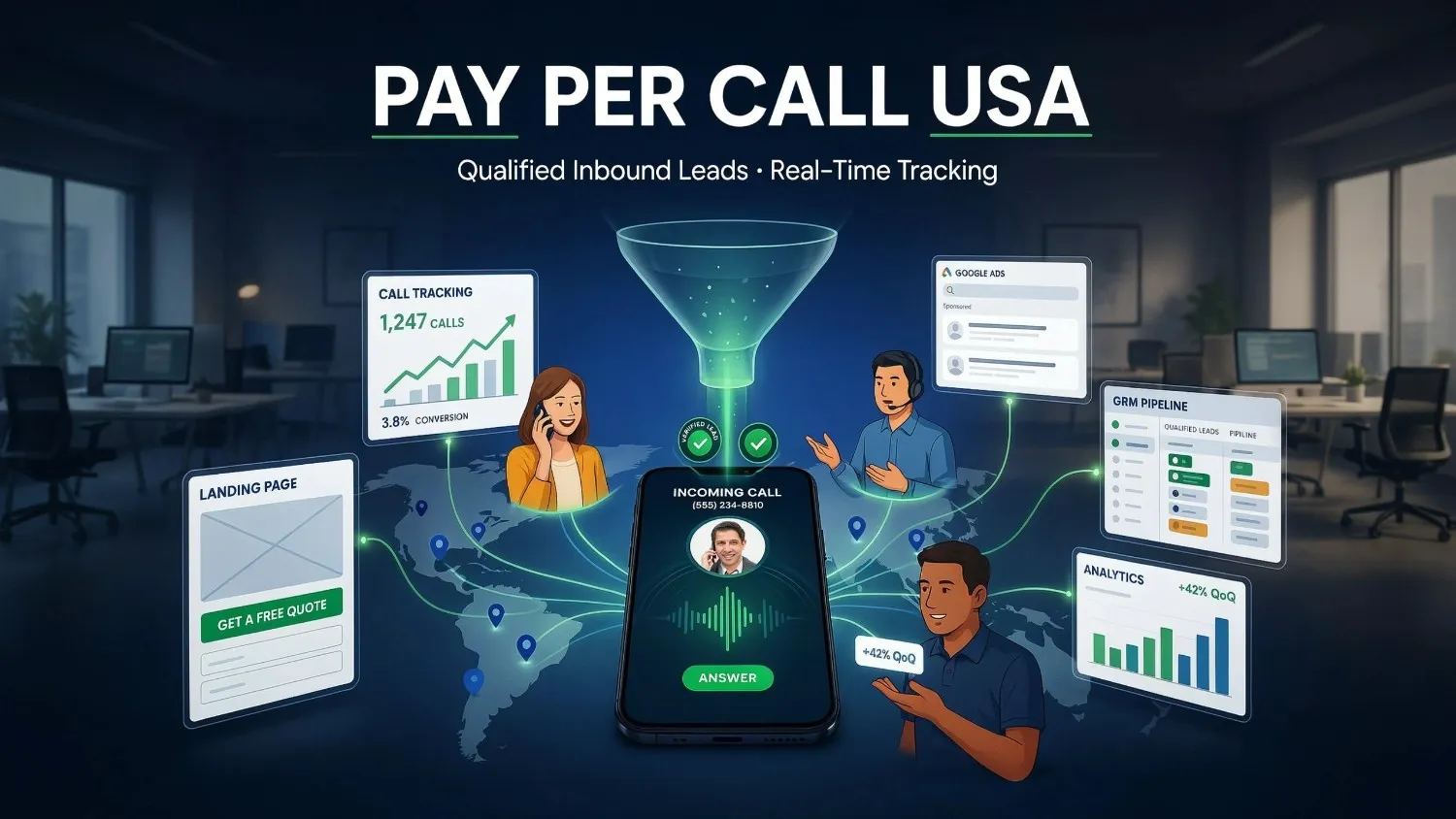
This system includes publishers, advertisers, buyers, and campaign offers. Publishers drive calls. Buyers pay for calls. Networks connect both sides.
This relationship needs trust. Customers suffer when ads promise services that buyers cannot provide. Publishers also lose money from rejected calls.
Direct Buyer Campaigns and Fixed Payouts
This direct campaign sends calls to one buyer for a fixed payout. Publishers know the amount before launching traffic.
This model feels simple. Customers may receive a more consistent experience. However, daily caps can stop calls without warning.
Exclusive Calls Shared Calls and Live Transfers
This exclusive call goes to one buyer only. Shared calls may reach several buyers. Live transfers connect callers with agents immediately.
This choice affects customer experience and payout levels. Customers dislike repeating details across many businesses. Exclusive calls often need stronger traffic controls.
Multi Buyer Routing Ring Trees and Live Call Bidding
This routing system sends calls to available buyers by rules or bids. A ring tree may call several buyers. Live bidding can route calls to the highest buyer.
This system helps reduce missed calls. Customers still need fast answers. A delayed transfer can turn a strong caller into a lost lead.
How We Evaluate Pay Per Call Affiliate Networks
This pay per call affiliate network should match your traffic, niche, and target states. A famous network may still fail your campaign.
This field work starts with offer details. Customers need available services in their area. Publishers need clear payout rules and timely support.
United States Offer Availability and Geographic Coverage
This check confirms where a campaign accepts calls. Some offers cover all states. Others only accept selected cities or ZIP codes.
This mistake costs money. Customers may call from blocked locations. Publishers should check state lists before buying traffic.
Qualified Call Rules and Lead Validation Standards
This review shows what makes a call payable. Common rules include call time, customer intent, and valid phone numbers.
This issue causes many disputes. Customers may call for prices only. Buyers may reject calls that lack real service needs.
Payout Models Payment Terms and Minimum Thresholds
This review explains how and when publishers get paid. Networks may use weekly, biweekly, or monthly payment schedules.
This hidden cost affects cash flow. Customers may call today, but publishers may wait for approval. Publishers should ask about hold periods and payment limits.
Approved Traffic Sources and Publisher Requirements
This check confirms allowed traffic sources before launch. Networks may allow SEO, paid search, social ads, email, or call centers.
This rule protects both sides. Customers can receive misleading ads from unapproved traffic. Publishers should get written traffic approval first.
Tracking Integrations Reporting and Account Support
This review checks tracking, reports, integrations, and account support. Publishers need fast answers when call quality drops.
This problem grows during busy hours. Customers may call after buyer caps close. A helpful manager can prevent wasted ad spend.
Top Pay Per Call Affiliate Networks in the United States
This list shows established pay per call marketing companies worth reviewing. Network availability, payouts, and approvals can change quickly. Publishers should confirm current terms before launching.
This comparison does not promise results. Customers, verticals, traffic quality, and buyer hours affect every campaign.
Pay Per Call Affiliate Network Comparison Table
| Network | Best Fit | Key Strength | Confirm Before Launch |
| Top7seven | New and experienced publishers | Broad offer access and publisher tools | Traffic approval and payout rules |
| Service Direct | Local home services traffic | U.S. local service focus | Service areas and call requirements |
| RingPartner | Multi-vertical publishers | Many campaigns and geographies | Buyer hours and live transfer terms |
| Aragon Advertising | Performance marketers | Relationship-based offer access | Vertical access and traffic limits |
| BuyerLink | Advanced lead partners | Real-time buyer marketplace | Partner access and routing setup |
| CJ Affiliate | Brand and content publishers | Affiliate technology and call tracking | Available pay-per-call programs |
This table reflects each company’s published service focus. Marketcall promotes qualified-call offers, Service Direct supports local service calls, RingPartner offers many campaign options, and BuyerLink uses real-time buyer matching.
Top7seven
This Top7seven option supports publishers seeking pay per call affiliate programs. Its platform promotes qualified calls and global offer access.
This option can suit paid search, SEO, and social campaigns. Customers still need honest pages and correct local service details.
Service Direct
This Service Direct option focuses heavily on local service calls. It connects publishers with service businesses needing consumer phone leads.
This option can fit plumbing, legal, repair, and similar local needs. Customers often call during urgent moments.
RingPartner
This RingPartner option gives publishers access to campaigns across different verticals and locations. Its platform supports call, lead, and click traffic.
This option works for publishers with varied traffic sources. Customers need fast routing and clear campaign pages.
Aragon Advertising
This Aragon Advertising option focuses on advertiser and publisher partnerships. Its network promotes offers across several performance marketing categories.
This option may suit experienced media buyers. Customers need truthful ads, especially in sensitive verticals.
BuyerLink
This BuyerLink option operates as a high-intent lead marketplace. Its system matches consumers with buyers through real-time auctions.
This model may suit advanced partners with strong routing skills. Customers need accurate matching and quick service responses.
CJ Affiliate
This CJ Affiliate option offers affiliate technology and pay-per-call tracking solutions. It can support brands with complex services and phone-based sales.
This option may fit established publishers and agency partners. Customers often need phone support for high-consideration services.
Best Pay Per Call Lead Generation Niches in the United States
This pay per call market works best where customers need fast answers. Urgent needs often create stronger inbound phone calls.
This field experience shows a simple truth. Customers call when forms feel too slow. Service urgency usually drives better results.
Insurance and Financial Services
This niche includes pay per call insurance leads, loans, and protection products. Customers often need help understanding choices before buying.
This niche can pay well. Customers also expect clear facts. Publishers should never exaggerate rates, savings, or approval chances.
Home Services
This home services niche includes plumbing, HVAC, roofing, pest control, and garage repair. Customers often call when damage feels urgent.
This niche performs well during emergencies. Customers may need same-day help. Publishers should match calls with correct service locations.
Legal Services
This legal niche includes injury, family, criminal, and immigration matters. Customers often want a real person quickly.
This niche requires careful language. Customers may face stressful problems. Publishers should avoid promises about case results.
Healthcare and Medical Services
This healthcare niche includes medical alerts, dental care, treatment programs, and patient services. Customers may need guidance before booking.
This niche needs extra care. Customers can misunderstand health claims. Publishers should avoid medical promises and false urgency.
Business Financing and Business Services
This niche includes funding, payroll, tax help, and business support. Customers often call when cash flow becomes difficult.
This niche needs strong qualification. Customers may not meet lender rules. Publishers should explain basic requirements before the call.
Debt Relief and Credit Related Offers
This niche includes debt settlement, credit repair, and debt support. Customers often feel stressed and rushed.
This niche can create strong demand. Customers also face high risks. Publishers should use clear disclosures and truthful claims.
How to Choose a Pay Per Call Affiliate Network
This choice depends on your traffic source, offer type, and buyer access. Publishers should compare details before spending money.
This problem happens when publishers chase the highest payout only. Customers may not match that offer. Weak matches create rejected calls.

Match the Network With Your Traffic Source
This match connects approved traffic with the right network. SEO traffic, PPC traffic, and call center traffic need different rules.
This example appears often. A publisher runs paid search without approval. The network rejects every call after launch.
Match Offers With Your United States Target Locations
This match checks each offer’s accepted states, cities, and ZIP codes. Customers must reach buyers serving their area.
This step saves money. Customers calling from unavailable areas cannot create payable leads. Location filters should run before every campaign.
Compare Verticals Buyer Access and Campaign Depth
This comparison checks offer quantity within your chosen vertical. Publishers need backup buyers when one campaign pauses.
This protects campaign income. Customers may still need service after a buyer cap closes. More buyer access can reduce lost calls.
Review Payment Reliability Support and Account Management
This review checks payment history, support speed, and dispute handling. Publishers need answers before traffic losses grow.
This issue becomes painful after rejected calls. Customers may have completed valid calls. Publishers need clear rejection reasons.
Confirm Brand Bidding Direct Linking and Traffic Restrictions
This check confirms brand bidding, direct linking, and traffic restrictions. Publishers should get these rules in writing.
This mistake can close accounts. Customers may see unauthorized ads. Publishers should never assume an offer allows every traffic source.
Pay Per Call Payouts Call Qualification and Profitability
This pay per call payout depends on campaign rules and customer value. A higher payout does not always create higher profit.
This calculation needs more than payout numbers. Customers must qualify. Publishers must also track ad cost, rejected calls, and missed transfers.
Qualified Call Appointment Sale and Revenue Share Models
This model pays for qualified calls, booked appointments, completed sales, or revenue share. Each model shifts more risk between publishers and buyers.
This choice matters. Customers may call, but never book. Appointment campaigns need better call center performance.
Call Duration Location Time and Caller Intent Requirements
This rule set decides whether a call counts. Networks may require minimum call time, correct location, and service intent.
This hidden detail matters most. Customers may stay on calls for two minutes. Buyers may still reject calls without proper need.
Buyer Hours Daily Call Caps and State Availability
This schedule controls when buyers can receive calls. Buyer hours, call caps, and states can change every day.
This problem happens when ads run after buyer hours. Customers call, but nobody answers. Publishers still pay for the traffic.
Call Acceptance Rejection and Invalid Call Rules
This policy explains accepted, rejected, duplicate, and invalid calls. Publishers should review these rules before launch.
This report should show clear reasons. Customers may call twice by accident. Networks may reject repeated calls from the same number.
Factors That Affect Net Earnings From Pay Per Call Campaigns
This profit number depends on payout, traffic cost, approval rate, and conversion rate. Publishers should judge net earnings, not gross payout.
Simple profit formula:
Net Profit = Approved Call Revenue − Traffic Cost − Tools − Staff Costs
This real-world mistake happens often. A publisher celebrates $100 calls. The same publisher ignores $130 acquisition costs.
Pay Per Call Tracking Reporting and Call Validation Technology
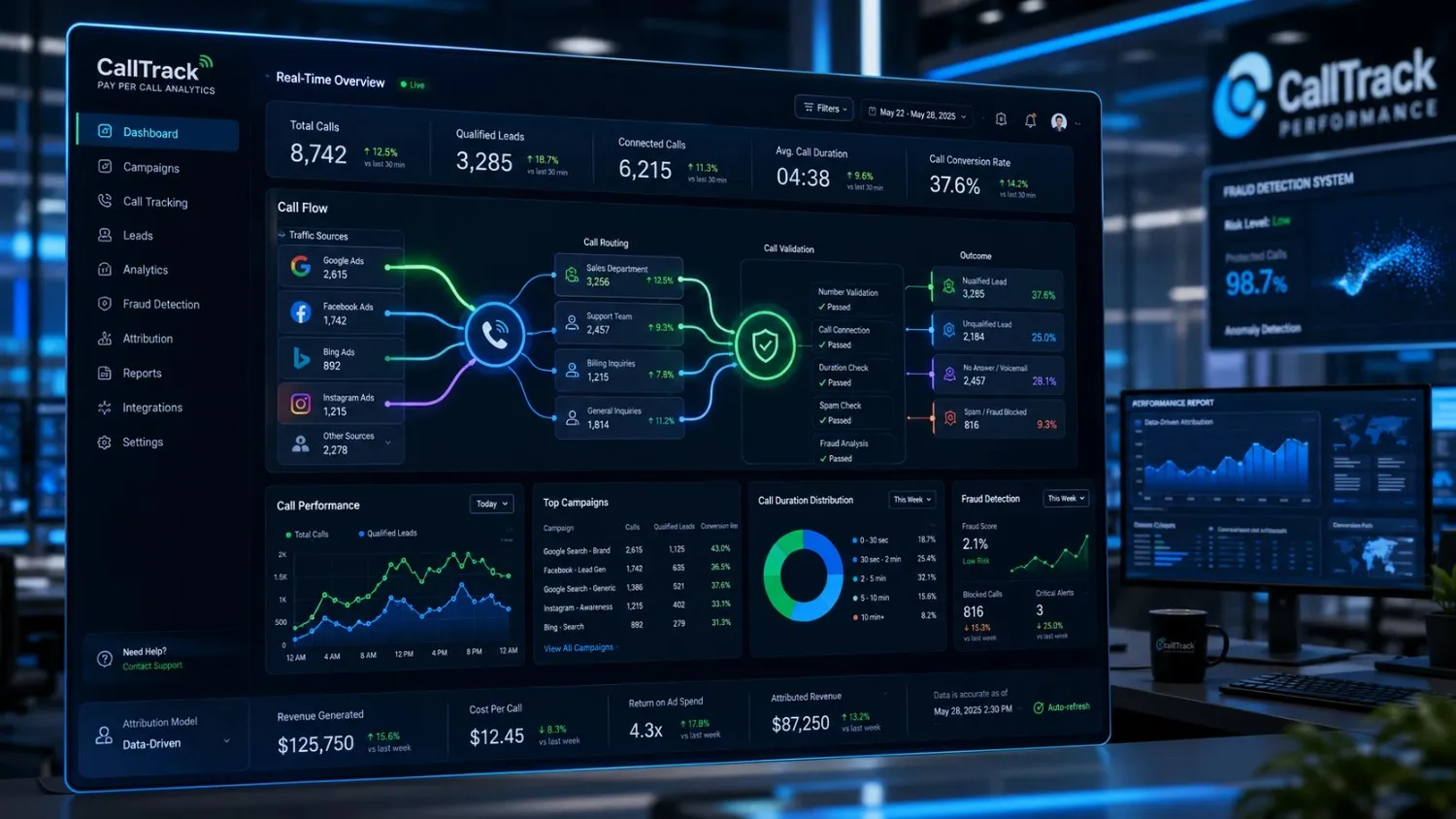
This call tracking system shows where calls came from and what happened next. Publishers use it to improve traffic and protect payouts.
This system works by connecting numbers, campaigns, pages, and buyer results. Customers should never notice the tracking process.
Unique Tracking Numbers and Dynamic Number Insertion
This setup uses unique tracking numbers for campaigns or visitors. Dynamic number insertion can show different numbers by traffic source.
This data reveals which source creates real callers. Customers see a normal phone number. Publishers see useful campaign details.
Static DID Numbers Compared With Dynamic Number Insertion
This static DID method assigns one direct number to a campaign. Dynamic number insertion changes displayed numbers based on visitor details.
This choice depends on setup needs. Customers can use either number. Publishers use dynamic numbers for deeper source tracking.
API Ping Post and Call Transfer Integrations
This integration sends call data between systems. Ping-post tools can check buyer availability before sending leads.
This setup helps reduce dead calls. Customers should reach available agents quickly. Publishers should test every transfer path.
Call Recording Transcription and Conversion Reporting
This reporting process reviews calls, outcomes, and sales data. Recordings can help explain why buyers rejected calls.
This field lesson protects revenue. Customers may describe real needs clearly. A vague rejection report should trigger a review.
Fraud Detection Duplicate Call Prevention and Call Filtering
This protection blocks fake, duplicate, spam, and low-intent calls. It helps buyers avoid paying for poor traffic.
This system also protects good publishers. Customers should not face repeated transfers. Publishers should monitor unusual call spikes.
Reporting Differences Rejection Reasons and Payout Disputes
This report compares network data with your tracking data. Publishers should review rejected calls every week.
This process finds errors early. Customers may complete valid calls. Publishers need recordings, timestamps, and campaign notes for disputes.
Launching a Pay Per Call Affiliate Campaign
This launch process starts with approval, tracking, and small tests. Publishers should avoid sending large traffic on day one.
This field rule saves money. Customers may respond differently than expected. Small tests reveal problems before budgets grow.
Apply for Network and Offer Level Approval
This step gets network approval and campaign approval. Publishers should share traffic methods honestly during applications.
This builds trust early. Customers deserve compliant ads. Networks also need to protect advertisers from risky traffic.
Select an Offer and Confirm Qualification Rules
This step chooses an offer with clear buyer rules. Publishers should confirm payout, call length, states, and hours.
This prevents wasted tests. Customers may need services outside the campaign area. Filters should block those callers early.
Build a Compliant Landing Page and Call Flow
This page should explain the offer clearly and honestly. Customers should know who they may contact.
This page needs one clear call action. Customers dislike hidden terms and false claims. Publishers should place disclosures near call buttons.
Launch Approved Traffic Sources
This step sends traffic only from approved sources. Publishers should begin with small budgets and limited locations.
This approach protects campaign data. Customers may react differently across states. Publishers should test one change at a time.
Monitor Call Quality Conversion Data and Net Profitability
This review checks call length, approval rates, bookings, and profit. Publishers should review reports every day during launch.
This daily review catches leaks quickly. Customers may wait too long on calls. Publishers should pause broken traffic immediately.
Pay Per Call Affiliate Compliance in the United States
This pay per call affiliate compliance work protects customers, advertisers, and publishers. Publishers must use truthful ads, clear disclosures, and approved calling practices.
This section provides general education only. Customers and publishers should seek qualified legal advice for their exact campaigns.

Affiliate Disclosures and Truthful Advertising Requirements
This rule requires clear disclosure of material relationships when needed. Publishers should never hide paid relationships or use unsupported claims.
This rule also applies to social posts, reviews, and landing pages. The FTC explains that material connections should be disclosed clearly.
When TCPA and Do Not Call Requirements Apply
This issue commonly applies to outbound calls, texts, prerecorded messages, and automated systems. Publishers should not assume one consent form covers every seller.
This matters greatly for lead forms and follow-up campaigns. FCC and FTC rules place limits on unwanted telemarketing communications.
Consent Records for Lead Forms Call Transfers and Lead Sharing
This record should show what customers agreed to receive. Publishers should save form language, timestamps, pages, and consent details.
This record can protect everyone later. Customers need clear choices. Publishers should name each seller where rules require it.
Call Recording Privacy and Consumer Data Handling
This process should protect call recordings and customer information. Publishers should limit access and use secure systems.
This issue needs careful planning. Customers may share private details. Publishers should ask legal counsel about recording and privacy rules.
Regulated Vertical Requirements for Legal Financial Healthcare and Insurance Offers
This requirement changes by niche, state, advertiser, and claim type. Publishers should use approved copy for regulated offers.
This rule protects vulnerable customers. Customers may make major health or money decisions. Publishers should never invent outcomes or guarantees.
Conclusion
Pay Per Call Affiliate networks can turn high-intent inbound calls into measurable revenue. This model works when publishers match traffic, offers, buyer hours, and customer needs. Customers need honest ads and fast phone support.
This work requires daily tracking and careful testing. Publishers should measure approved calls, rejected calls, and net profit. Top7seven helps businesses build stronger pay-per-call campaigns across the United States.
This path becomes easier with the right offer and tracking plan. We help you avoid wasted traffic, weak calls, and unclear campaign rules. Contact Top7seven, 4878 Nickel Road, El Monte, CA 91731.
We can help you launch a smarter Pay Per Call Affiliate campaign today. Call (209)-655-3042 or email contact@top7seven.com.
FAQ
Can You Make Money With Pay Per Call Affiliate Networks?
Yes, you can make money with a Pay Per Call Affiliate network. Your income depends on traffic quality, offer payouts, and approved calls. Some publishers earn daily from strong campaigns. Start small, track every call, and improve the offers that bring real customers.
Which Pay Per Call Affiliate Network Is Best for Beginners?
The best Pay Per Call Affiliate network for beginners offers clear rules and helpful support. Look for simple offers, low approval barriers, and easy tracking tools. Choose a network with home services or insurance campaigns. Always read call length, location, and traffic rules first.
What Are the Best Niches for Pay Per Call Affiliate Marketing?
Home services, insurance, legal help, and finance are strong Pay Per Call Affiliate niches. These customers often need quick answers. They prefer calling instead of filling out forms. Choose a niche you understand well. This helps you create useful ads and better landing pages.
Can You Start Pay Per Call Affiliate Marketing With No Money?
You can start Pay Per Call Affiliate marketing with little money, but growth takes time. Use free traffic from blogs, local pages, videos, or social posts. Paid ads can bring faster calls. However, test small budgets first to avoid wasting money.
What Mistakes Should You Avoid in Pay Per Call Affiliate Marketing?
You should avoid sending poor traffic to Pay Per Call Affiliate offers. Do not ignore call rules, buyer hours, or state limits. Avoid false claims in ads. Track rejected calls closely. Strong campaigns need honest pages, clear targeting, and regular call quality checks.