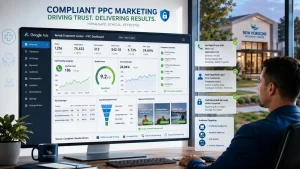
You get Pay Per Call Offers that convert by matching ready-to-buy callers with clear, trusted services. Most campaigns fail because the offer, traffic, and buyer rules do not match. A high payout means little when calls get rejected.
Top7seven helps publishers find stronger paths in the pay-per-call industry. The team focuses on real caller intent, clean tracking, and better buyer matches. This approach helps protect your ad spend and improve results.
This guide shows how to find, test, track, and scale Pay-Per-Call Offers in the USA. It also covers common mistakes, hidden costs, and compliance basics. Contact Top7seven at 4878 Nickel Road, El Monte, CA 91731, call (209)-655-3042, or email contact@top7seven.com.
Understand How Pay Per Call Offers Work
This model pays you when a caller meets the buyer’s rules. Customers must usually call from an approved state and discuss a real need.
This problem happens when publishers chase high payouts without reading offer terms. A $100 offer can lose money when most calls fail. The best pay-per-call campaign starts with clear rules.
| Model | You Earn When | Main Risk |
| Pay Per Call | A caller meets buyer rules | Rejected or short calls |
| Pay Per Click | Someone clicks an ad | Low buyer intent |
| Pay Per Lead | Someone submits a form | Fake or weak leads |
Define Qualified Calls and Billable Calls
This rule defines which calls earn money. Customers may call, ask one question, and hang up.
A qualified call meets the buyer’s needs. A billable call also meets payment rules. The company may require a certain call duration, location, age, or service need.
Distinguish Pay Per Call From Pay Per Click and Pay Per Lead
This model rewards calls, not clicks or form fills. Customers often show stronger intent when they call.
Pay per click can bring cheap visits. Pay per lead can collect more contacts. Pay Per Call works best when customers need help now.
Compare Inbound Calls, Live Transfers, and Warm Transfers
This choice affects call quality and buyer trust. Customers prefer speaking with helpful people quickly.
An inbound call reaches your tracked number directly. A live transfer moves the caller to a buyer. A warm transfer prepares the caller before the handoff.
Understand Call Duration, IVR, and Caller Eligibility Requirements
This rule decides whether the buyer accepts a call. Customers often fail when they leave too soon.
An IVR may ask for a ZIP code first. The system may reject callers outside approved states. The company may also require a real service request.
Verify United States Service Areas, State Eligibility, and Provider Coverage
This step confirms whether buyers serve each caller’s location. Customers lose trust when providers cannot help locally.
A roofing buyer may cover Texas but not Oregon. A Medicare buyer may accept only certain counties. Check coverage before sending inbound call leads.
Choose a Pay Per Call Vertical With Buyer Demand
This choice helps you attract callers who need urgent help. Customers call faster when the service solves a real problem.
This problem happens when marketers choose a vertical only for payouts. A strong vertical must have buyer demand, clear rules, and fair margins. The best pay-per-call offers match your traffic skills.

Insurance Pay Per Call Offers
This vertical works well for customers comparing policies or seeking fast coverage. Customers often want help with auto, health, life, or home insurance.
Insurance calls need careful wording. The company must avoid false savings promises. Clear comparisons can improve conversion rates without misleading people.
Legal Services Pay Per Call Offers
This vertical helps customers who need legal support quickly. Customers often call after an accident, arrest, injury, or dispute.
Legal calls can pay well. The company must follow strict location and case rules. Avoid promising legal results or guaranteed settlements.
Home Services Pay Per Call Offers
This vertical serves customers with urgent home problems. Customers often search during leaks, broken locks, or heating failures.
Home services offers can convert fast. A broken garage door creates immediate need. The best calls include service type, ZIP code, and urgency.
Financial Services Pay Per Call Offers
This vertical connects customers with credit, debt, loans, or tax help. Customers often need careful answers before sharing details.
Financial offers need strong trust signals. The company should explain fees and next steps clearly. Avoid claims about guaranteed approval or debt removal.
Healthcare and Medicare Pay Per Call Offers
This vertical helps customers find plans, devices, or care support. Customers need simple answers and respectful call handling.
Healthcare calls often have strict rules. The company must verify age, state, and eligibility. Use accurate wording and protect caller information.
Match Your Traffic Source to Vertical-Specific Advertising Rules
This match protects your campaign from rejected calls and account problems. Customers should see messages that match their real need.
Google search works well for urgent repair calls. Social ads may fit comparison offers better. Check each advertiser rule before launching any creative.
Find Pay Per Call Offers in the United States
This process starts with trusted buyers and clear offer terms. Customers need real help from real service providers.
You can find offers through networks, marketplaces, or direct buyers. Each path has different control and support. Start small before making large traffic commitments.
Apply Through Pay Per Call Affiliate Networks
This route connects publishers with many available offers. Customers benefit when networks monitor call routing and buyer rules.
A pay per call affiliate network can simplify setup. The network may provide numbers, reports, and support. Still, read every offer rule before sending traffic.
Compare Offers Through Pay Per Call Marketplaces
This option helps you compare several buyers quickly. Customers may receive better matches through broader buyer coverage.
A marketplace can show payouts and target states. Some platforms also show call caps. Compare buyer quality, not only the highest price.
Contact Direct Advertisers and Call Buyers
This method can create stronger buyer relationships. Customers may receive faster service through direct routing.
Direct deals may offer more control. The company can discuss call rules and buyer hours. Direct relationships also need stronger reporting and trust.
Build an Offer Shortlist Based on Your Vertical, Traffic Source, and Target States
This list helps you avoid random testing. Customers should only see offers that fit their location and need.
Use this simple shortlist:
- Choose one vertical with clear demand.
- Pick three offers with approved traffic sources.
- Confirm target states and service hours.
- Check payout, caps, and call rules.
- Test each offer with limited traffic.
Evaluate Pay Per Call Offers Before You Spend on Traffic
This review protects your money before traffic starts. Customers should reach buyers who can actually help.
This problem happens when publishers trust payout numbers alone. Hidden costs often come from rejected calls, low caps, and poor hours. A good offer makes its rules easy to verify.

Validate Search Demand and Caller Intent
This check shows whether people actively need the service. Customers searching “emergency plumber near me” usually show strong intent.
Search demand matters more than broad traffic volume. The company should target urgent, clear service searches. Avoid vague terms that attract research-only visitors.
Verify Qualified Call Definitions and Call Acceptance Rules
This review shows what the buyer accepts. Customers may fail because of location, age, insurance type, or intent.
Ask for written call rules. The company should know accepted states and required call duration. Save these rules before running traffic.
Compare Payout, Call Duration, and Revenue Per Qualified Call
This comparison shows the real value of each call. Customers do not create profit unless buyer approval stays steady.
A $40 payout can beat a $90 payout. The lower offer may approve more calls. Track revenue per qualified call, not headline payout.
Confirm Approved Traffic Sources and Restricted Promotion Methods
This step prevents sudden offer shutdowns. Customers must arrive through approved marketing channels.
Some buyers allow Google Ads only. Others allow SEO, email, or social traffic. Never assume affiliate marketing traffic rules are the same.
Review Brand Bidding, Trademark, and Call Transfer Rules
This check prevents costly advertising mistakes. Customers can feel confused when ads copy another company’s name.
Do not bid on protected brand terms without approval. The company should also review transfer wording. Buyers may reject calls with misleading introductions.
Check Buyer Capacity, Call Center Hours, and Daily Call Caps
This review shows whether buyers can answer your traffic. Customers should never reach a closed or overloaded call center.
A buyer may accept calls until 5:00 PM local time. Another buyer may stop after 30 calls. Match ads with real buyer capacity.
Compare Shared Calls, Exclusive Calls, and Dedicated Buyer Arrangements
This choice changes caller experience and payout value. Customers may dislike repeating details to several companies.
Shared calls can reach several buyers. Exclusive calls go to one buyer only. Dedicated buyers often offer better control and clearer feedback.
Review Duplicate Call, Invalid Call, and Rejection Policies
This policy explains why buyers deny payment. Customers may call twice after a dropped connection.
Ask how the buyer handles duplicates. The company should also ask about invalid locations. Clear call scoring rules reduce payment disputes.
Confirm Payment Terms, Hold Periods, Minimum Payouts, and Clawback Rules
This check protects your cash flow. Customers can generate approved calls before you receive payment.
Some buyers use hold periods. Some networks require a minimum payout balance. Review clawback rules before increasing ad spend.
Verify Advertiser Reputation, Provider Authorization, and State Coverage
This review protects your brand and visitors. Customers need real providers, not empty promises.
Check company details and customer reviews. The company should verify state coverage. Avoid buyers who cannot explain their service process.
Calculate Your Maximum Cost Per Qualified Call and Target Profit Margin
This math protects your campaign from slow losses. Customers may call often, yet still create poor margins.
Use this formula:
Maximum Cost Per Qualified Call = Average Revenue Per Qualified Call − Target Profit
Example:
| Item | Amount |
| Average approved payout | $60 |
| Target profit | $20 |
| Maximum cost per qualified call | $40 |
Test Offer Quality With Limited Traffic Before Scaling
This test shows what the offer does in real conditions. Customers may react differently than expected.
Start with a small budget. Review recordings and buyer feedback. Scale only after you confirm stable call quality and profit.
Get Approved by Pay Per Call Networks and Advertisers
This process proves that your traffic source is real and safe. Customers need honest pages and clear messages.
Networks often reject unclear websites and vague traffic plans. The company should show how it generates calls. Good details build trust with every affiliate network.

Prepare a Professional Website and Publisher Profile
This profile shows buyers that you run a real business. Customers should find clear contact details and service information.
Use a clean website. Add business details and privacy pages. Explain your role as a publisher or affiliate.
Document Your Traffic Sources, Landing Pages, and Compliance Controls
This document explains how you attract callers. Customers should never face surprise tactics or hidden claims.
List your search ads, SEO pages, and social ads. The company should also explain disclosures. Keep screenshots of approved landing pages.
Submit Approved URLs, Creatives, and Promotion Methods
This step gets written approval before launch. Customers should see only reviewed ads and pages.
Submit final URLs and ad text. The company should include call scripts when needed. Save approval emails for future disputes.
Avoid Common Network and Advertiser Rejection Reasons
This step helps you pass review faster. Customers often face poor ads when publishers hide their methods.
Common rejection reasons include:
- Missing website pages
- No privacy policy
- Unclear traffic sources
- Misleading claims
- Unapproved brand bidding
- Weak compliance details
Set Up Call Tracking, Routing, and Attribution
This setup shows which traffic creates valuable calls. Customers need fast routing to the right buyer.
This problem happens when one phone number serves every campaign. The company then cannot see what works. Good call tracking technology connects clicks, calls, and outcomes.
Choose Network Tracking or a Dedicated Call Tracking Platform
This choice depends on your control needs. Customers benefit when calls reach the correct buyer quickly.
Network tools work well for simple tests. Dedicated call tracking tools offer deeper reports. Choose tools that track source, keyword, and outcome.
Use Dynamic Number Insertion for Source-Level Attribution
This tool shows which visitor source drove each call. Customers see a phone number that matches the campaign.
Dynamic number insertion can track website call sources. The company can compare SEO and paid traffic. This improves call tracking and analytics.
Configure IVR Call Routing, Overflow, and Fallback Destinations
This setup keeps good calls from getting lost. Customers should not hear long waits or dead lines.
Use an IVR for basic screening. Add overflow buyers for busy periods. Set fallback numbers when the main buyer closes.
Track Accepted Calls With Postbacks and Offline Conversion Data
This setup connects buyer results with campaign data. Customers become more valuable when outcomes reach your reports.
Google Ads supports phone call conversion measurement and offline call conversion imports. You can set a minimum call length, but buyer payment rules may differ.
Align Campaign Hours With Buyer Availability and United States Time Zones
This timing prevents wasted clicks and missed calls. Customers expect a live person during urgent moments.
Run calls during buyer hours. Check Eastern, Central, Mountain, and Pacific time zones. Pause ads when buyers cannot answer.
Monitor Call Recordings, Transcriptions, Dispositions, and Buyer Feedback
This review shows why calls win or fail. Customers often reveal problems that dashboards cannot show.
Listen for repeated questions. Review call recording, transcription, and buyer notes. Fix ads when callers expect the wrong service.
Prevent Repeat, Incentivized, and Fraudulent Calls
This protection keeps your traffic clean. Customers should never feel pushed to make useless calls.
Block repeat callers when allowed. Avoid rewards for calling. The company should watch for unusual call spikes and short calls.
Build a Conversion-Focused Pay Per Call Landing Page
This page helps ready buyers call with confidence. Customers need quick answers before they tap a phone number.
A strong page removes doubt without adding clutter. It explains the service, area, and next step. The goal is one clear call action.
Match Landing Page Content With High-Intent Search Queries
This match helps customers feel understood immediately. Customers should see the exact service they searched for.
A “24-hour water heater repair” ad needs a matching page. The company should not send visitors to a general home page.
Focus Each Page on One Service, One Audience, and One Call Action
This focus reduces confusion. Customers call more often when pages offer one simple next step.
Use one offer per page. A page for roof repair should not promote loans. Keep the main phone action visible.
Explain Who the Caller Will Speak With
This detail builds trust before the call. Customers want to know whether they reach a local provider.
Explain the caller’s next step. The company can say they will reach a service team. Avoid false claims about local ownership.
Use Clear Click-to-Call Calls to Action
This action makes calling simple on mobile devices. Customers should not hunt for a phone number.
Use direct buttons like “Call for Help Now.” Place buttons near key details. Repeat the phone action after important sections.
State Accurate Service Areas, Business Hours, and Next Steps
This information sets fair expectations. Customers feel frustrated when service details change after calling.
List true coverage areas. Show active business hours. Explain whether the caller receives a quote, transfer, or appointment.
Add Verifiable Reviews, Credentials, and Trust Signals
This proof helps customers feel safer calling. Customers often compare several companies before choosing one.
Use real reviews and clear credentials. The company should never invent ratings. Add privacy and service details near the call button.
Disclose Affiliate Relationships and Paid Placements Clearly
This disclosure tells customers about your business relationship. Customers deserve clear information before they act.
The FTC says disclosures must be clear and easy to notice. Place them close to relevant claims and links.
Remove Forms and Page Elements That Delay the Call
This change helps urgent callers act faster. Customers may leave when forms ask too many questions.
Remove long forms for urgent services. Keep pages fast and simple. Use forms only when the buyer needs them.
Drive Qualified Traffic to Pay Per Call Offers
This strategy brings people who need help now. Customers should arrive from honest and relevant search messages.
This problem happens when marketers target broad, cheap keywords. Cheap traffic often brings weak calls. Focus on searches that show urgency and clear need.

Target High-Intent Keywords With Google Ads
This method reaches customers during active searches. Customers often use service words, location words, and urgent words.
Use terms like “emergency plumber,” “car accident lawyer,” or “Medicare plans near me.” Add negative terms to block research traffic.
Use Responsive Search Ads With Call Assets
This setup lets eligible search ads show call options. Customers can call directly when they need fast answers.
Google lets advertisers use call assets with Search ads. Call reporting can measure calls through Google forwarding numbers.
Set Up Google Ads Phone Call Conversion Tracking
This setup shows which ads create useful calls. Customers often call from ads without visiting a page.
Set a minimum call length. Then compare call results with buyer approvals. Google supports tracking calls from ads and website numbers.
Build Negative Keyword Lists to Reduce Unqualified Calls
This list filters poor search traffic. Customers searching for jobs or free help rarely become buyers.
Add terms like “jobs,” “salary,” “free,” “DIY,” and “training.” Review search terms every week. Keep improving your list.
Create National Service Pages With Unique State-Specific Value
This content helps customers understand local service availability. Customers need correct state details and useful next steps.
Write real state pages. Include real coverage, service hours, and local needs. Avoid copying the same page across every state.
Build Transparent Comparison and Lead Generation Pages
This page format helps customers compare choices fairly. Customers should understand how providers appear on the page.
Explain comparison rules. State whether partners pay for placement. Use fair details about price, coverage, and service terms.
Avoid Misleading Local Claims and Doorway Location Pages
This practice protects trust and ad accounts. Customers dislike fake local addresses and false service claims.
Do not claim local offices without proof. Avoid pages with only city names changed. Use real service areas and real customer help.
Use Paid Social Campaigns Only When the Offer Allows Them
This rule prevents network disputes. Customers may see social ads before they feel ready to call.
Check buyer terms first. Use simple education ads for slower decisions. Save urgent search offers for high-intent traffic.
Follow United States Pay Per Call Compliance Requirements
This work protects callers, advertisers, and your business. Customers must receive truthful information and respectful communication.
This section gives general education, not legal advice. Rules can change by state, vertical, and traffic method. Get legal guidance before using outbound calls, texts, recordings, or transfers.
Use Clear Affiliate Advertising and Paid Placement Disclosures
This practice tells customers when you receive payment. Customers deserve clear facts before choosing a provider.
The FTC requires advertising claims and material connections to avoid deception. Clear disclosures should appear where customers can notice them.
Use Accurate Claims, Reviews, and Comparison Language
This practice protects customer trust. Customers should not see fake reviews or impossible promises.
Use verified reviews only. Avoid “best” claims without support. Explain what your comparison actually measures.
Maintain Consent and Lead Source Records for Transfers and Follow-Up
This process helps prove how callers reached your system. Customers should know what happens after they share details.
Keep landing pages, timestamps, call logs, and consent language. The company should also save transfer records. Good records help solve disputes.
Apply TCPA and Do Not Call Rules to Outbound Calls, Texts, and Prerecorded Messages
This rule matters when campaigns contact people after the first interaction. Customers must not receive unwanted automated marketing messages.
The FCC explains that consent rules apply to many automated calls and texts. The FTC also enforces Do Not Call protections for covered sales calls.
Check State-Specific Call Recording, Privacy, Telemarketing, and Licensing Requirements
This review helps avoid state-level problems. Customers may have stronger privacy rights in some states.
Ask legal counsel about recording consent and licensing rules. Check every target state before launching. Update policies when your service area changes.
Follow Google Ads and Social Media Advertising Policies
This practice keeps campaigns active and credible. Customers should see ads that match the landing page.
Google call assets can run during selected business hours. The company should align ads with buyer availability.
Optimize Pay Per Call Conversion and Profitability
This process turns call data into better decisions. Customers help you learn what messages and routes work.
This problem happens when marketers watch clicks but ignore call outcomes. A campaign can look successful before buyer rejections appear. Track every part of the call journey.
Track Qualified Call Rate, Payout Approval Rate, and Revenue Per Call
This data shows whether your calls meet buyer rules. Customers create value only when calls qualify.
Track three core numbers:
- Qualified call rate
- Payout approval rate
- Revenue per call
Review these numbers by offer and buyer.
Measure Cost Per Qualified Call, Return on Ad Spend, and Net Margin
This math shows true campaign profit. Customers may create sales while ads still lose money.
Use this formula:
Net Margin = Revenue − Ad Spend − Tracking Costs − Other Campaign Costs
Include hidden costs. Add call tracking fees, content costs, and rejected-call losses. This gives a more honest view.
Compare Performance by Keyword, Market, Device, Day, and Time
This review finds your best traffic segments. Customers may call differently by location or device.
A keyword may work in Florida but fail in Nevada. Mobile callers may convert better after lunch. Test one variable at a time.
Use Call Transcriptions and Disposition Data to Find Conversion Drop-Offs
This review shows where callers lose interest. Customers often reveal a mismatch between ads and buyer scripts.
Look for repeated phrases. Customers may ask about prices, hours, or locations. Improve your page when the same confusion appears.
Test Landing Page Messages, Call to Action Placement, and Call Prompts
This testing improves call action without guessing. Customers need messages that answer their real concerns.
Test one change at a time. Try a clearer button or stronger service detail. Keep changes that improve call conversion.
Exclude Low-Quality Traffic Sources and Non-Converting Markets
This step stops budget waste. Customers from some sources may never meet buyer rules.
Pause weak placements. Block poor states when buyers reject them. Move budget toward markets with stable approvals.
Challenge Rejected Call Decisions With Call Evidence
This process helps recover valid revenue. Customers may have met rules despite an incorrect rejection.
Keep recordings and transcripts. Ask buyers for rejection reasons. Dispute only calls that clearly meet written rules.
Scale Only Offers With Stable Buyer Capacity and Verified Margins
This rule protects profits during growth. Customers should not face long waits after your campaign expands.
Increase traffic slowly. Watch buyer caps and response times. Scale only when payout approval stays consistent.
Conclusion
Pay Per Call Offers convert when the offer, caller, landing page, and buyer all match. Choose real demand, verify every rule, and track call outcomes. Start with small tests before increasing traffic. Strong call routing and honest pages protect both customers and margins.
Top7seven helps businesses build smarter pay-per-call marketing campaigns across the USA. Visit 4878 Nickel Road, El Monte, CA 91731, call (209)-655-3042, or email contact@top7seven.com. We can help you find, test, and scale Pay Per Call Offers that bring better calls.
FAQ
Is Pay Per Call Profitable?
Pay-Per-Call Offers can be profitable when you send real customers who need help now. Your profit depends on payout, ad cost, and call approval rates. Start with a small budget. Track every call. Keep offers that bring qualified calls and steady profit.
How Do You Promote Pay-Per-Call Offers?
You can promote Pay-Per-Call Offers through Google Ads, SEO pages, local service pages, and social ads. Focus on urgent search terms. Use clear call buttons. Match every ad with the right landing page. Never use false claims or confusing messages.
How Do You Get a Pay Per Call Number?
You can get a pay per call number from an affiliate network, advertiser, or call tracking platform. Each number tracks calls from your campaign. The system shows call length, source, and result. Use separate numbers for each traffic source.
Can You Earn $100 a Day With Pay-Per-Call Offers?
Yes, you can earn $100 per day with strong Pay-Per-Call Offers. Your calls must meet buyer rules. For example, five approved calls at $25 each can earn $125. Start with one service niche and improve your campaign from real call data.
What Is the 80/20 Rule in Pay Per Call Marketing?
The 80/20 rule means a small part of your traffic creates most results. In pay per call marketing, a few keywords, states, or ads may bring most qualified calls. Find those winners through call tracking. Put more budget into what works.