
Generating Medicare Leads requires clear targeting, trusted education, fast follow-up, and compliant marketing. Random calls and broad ads often waste money. A focused system helps you reach people who need real Medicare help.
In my 20-plus years of lead generation work, trust has driven the best results. Medicare prospects often feel confused, cautious, or overwhelmed. Agents must explain choices before asking for an appointment.
This guide covers audience targeting, enrollment campaigns, digital marketing, referrals, and buying leads. You’ll also learn how to qualify, nurture, and convert prospects. Keep reading to build a steady and compliant pipeline.
Quick Answer
Generate Medicare leads through local SEO, paid search, Facebook education, referrals, seminars, direct mail, and trusted vendors. Target clear audience groups and enrollment windows. Use focused landing pages, fast follow-up, and a simple CRM. Track consent, sources, appointments, enrollments, and costs. Keep every campaign compliant and easy to understand.
Why Medicare Lead Generation Feels Harder Now
Medicare lead generation feels harder because prospects receive many calls, texts, and advertisements. They also worry about scams and misleading claims. Agents must earn trust before discussing Medicare products.
Competition also raises advertising costs in valuable markets. Poor-quality shared leads create more frustration. Clear targeting and useful education can reduce these problems.
What Actually Works When You Want to Get Medicare Leads
A mixed marketing system works best for getting Medicare leads. Combine paid channels with referrals, local SEO, content, and community outreach. This balance supports quick results and long-term growth.
Live transfers and paid ads can generate leads quickly. SEO, referrals, and educational videos build leads over time. AI can help draft content, but it cannot replace consent or human advice.
Why Medicare Advantage Leads Matter for Agents & Agencies
Medicare Advantage leads connect agents with people actively reviewing private Medicare plan options. These prospects may compare networks, prescriptions, benefits, and yearly costs. Strong education helps them make informed choices.
Medicare Advantage plans also depend on local service areas. Agents must know county-level plan availability. They should never present one plan as suitable for everyone.
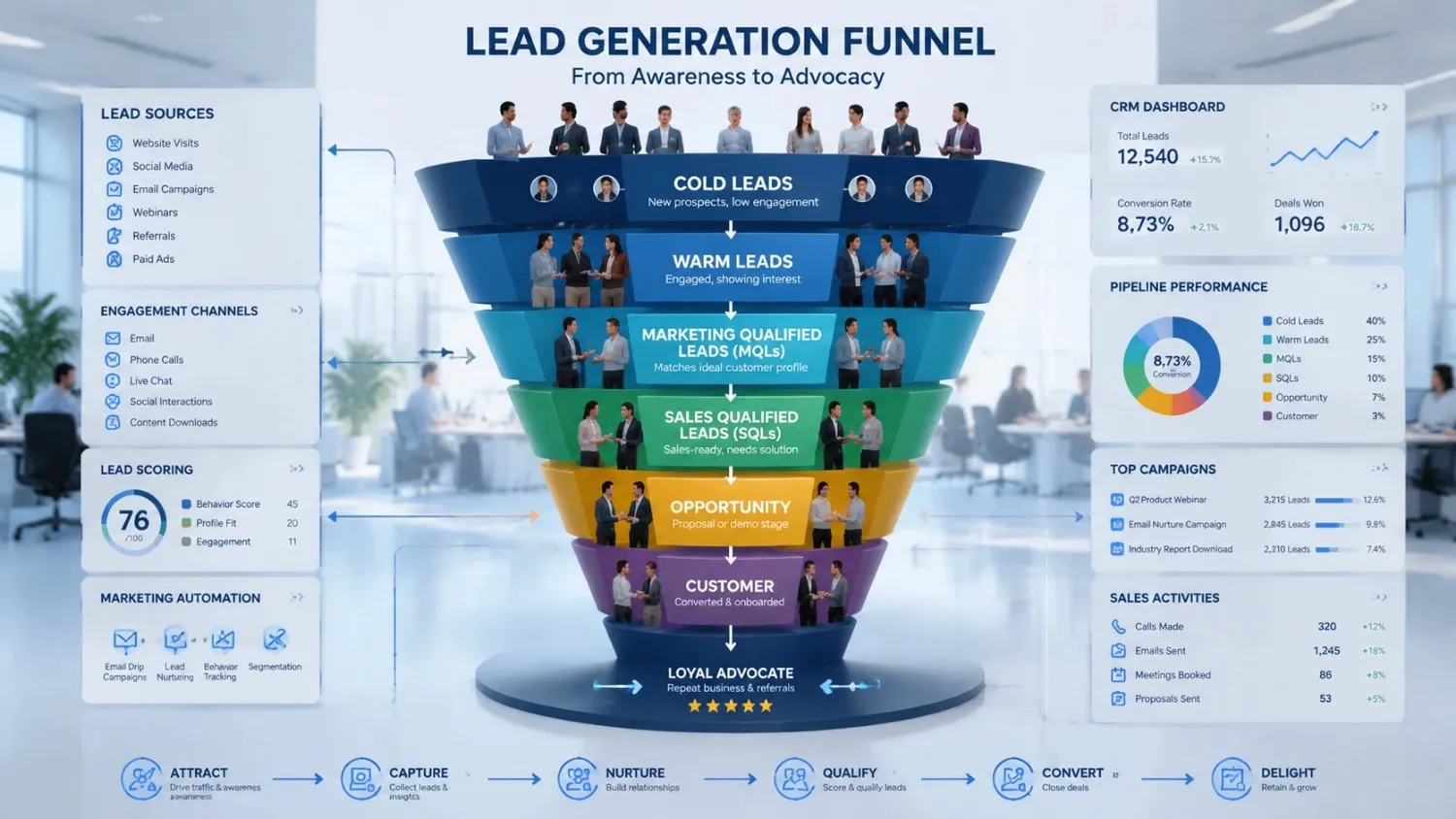
Identify and Segment Your Medicare Audience
Audience segments help agents send more useful messages. Each group has different questions, deadlines, and coverage needs. Avoid sending one general message to every prospect.
Turning-65 Prospects
Turning-65 prospects need early guidance about Medicare basics and enrollment timing. Start educational outreach several months before their birthdays. Explain Parts A, B, C, Part D, and Medigap simply.
Retirees Losing Employer-Sponsored Coverage
Retirees losing job coverage need clear transition support. Ask when employment and coverage will end. Medicare.gov explains that some people receive an eight-month Part B enrollment window.
Existing Medicare Beneficiaries Reviewing Their Coverage
Existing beneficiaries may review costs, medicines, doctors, and plan benefits. Use a yearly coverage-review campaign. Never assume their current plan still meets their needs.
Dual-Eligible and Special Needs Prospects
Dual-eligible prospects may qualify for both Medicare and Medicaid support. Their choices depend on state rules and personal eligibility. Train agents before marketing Special Needs Plans.
Caregivers and Adult Children Helping With Medicare Decisions
Caregivers often research Medicare options for parents or relatives. Create content that answers their common questions. Confirm the beneficiary’s permission before discussing private information.
Plan Lead Generation Around Medicare Enrollment Periods
Enrollment periods should guide campaign timing and messaging. Each period supports different actions and audiences. Always confirm eligibility before recommending enrollment changes.
Initial Enrollment Period Campaigns
Initial Enrollment Period campaigns should target people approaching Medicare eligibility. The period generally spans three months before and after Medicare starts.
Use countdown emails, checklists, and educational appointments. Focus on deadlines without using fear. Explain possible next steps clearly.
Annual Enrollment Period Campaigns
Annual Enrollment Period campaigns should focus on current beneficiaries reviewing coverage. This period runs from October 15 through December 7.
Begin education before the period starts. Encourage prospects to gather medicine, doctor, pharmacy, and coverage details.
Medicare Advantage Open Enrollment Period Campaigns
These campaigns target people already enrolled in Medicare Advantage plans. The period runs from January 1 through March 31.
Discuss allowed changes without promising better savings. First confirm the prospect’s current enrollment status.
Special Enrollment Period Opportunities
Special Enrollment Period campaigns respond to qualifying life events. Moving or losing other coverage may create an opportunity. Timing and available changes depend on the event.
Train staff to ask simple eligibility questions. Never promise that a prospect qualifies before verification.
Year-Round Lead Generation Between Enrollment Periods
Year-round marketing builds trust before prospects can act. Publish Medicare basics, retirement guides, and plan-review checklists. Add future prospects to permission-based nurture campaigns.
Choose the Right Geographic Markets for Medicare Leads
Strong geographic targeting improves lead quality and appointment value. Medicare plans, carrier access, and competition change by location. Review markets before spending advertising money.

Evaluate Medicare Opportunities at the County Level
County-level research shows where your Medicare products fit. Review available plans, service areas, and local search demand. Build separate campaigns for each priority county.
Compare Beneficiary Population and Local Competition
Compare local demand with active agent competition. A large market may still cost too much. Smaller markets may offer better access and trust.
Review Carrier and Plan Availability
Carrier and plan availability shape every marketing offer. Confirm current products before launching campaigns. Remove ads when plan access changes.
Confirm Licensing and Carrier Appointments
Agents must hold proper licenses and carrier appointments. Confirm both before accepting leads from a market. This step prevents wasted spending and poor customer experiences.
Identify Underserved Medicare Markets
Underserved markets often lack local education and agent access. Look for weak search results and limited community outreach. Offer simple, local Medicare information.
Urban vs. Rural Medicare Lead Strategies
Urban campaigns often need narrow targeting and stronger differentiation. Rural campaigns may benefit from local partnerships and phone appointments. Test each market separately.
Decide When to Expand Into a New Service Area
Expand after your current market produces stable results. Confirm licensing, carrier coverage, staffing, and follow-up capacity. Start with a small test budget.
Build Trust Before the First Medicare Appointment
Trust improves response and appointment rates. Prospects want to know who will handle their information. Show clear credentials, contact details, and service expectations.
Create a Credible Agent Biography
A strong biography explains your experience and service area. Use a professional photo and plain language. Avoid inflated claims or vague awards.
Display Licensing and Professional Credentials
Visible credentials help prospects verify your business. Display license information where appropriate. Keep all details accurate and current.
Use Client Reviews and Testimonials Responsibly
Reviews can show service quality and communication skills. Never edit them into misleading promises. Avoid claims suggesting guaranteed savings or benefits.
Add Trust Signals to Medicare Landing Pages
Landing pages should display contact details and privacy information. Add secure forms, licensing details, and clear consent language. Explain what happens after form submission.
Demonstrate Local Community Involvement
Community involvement helps establish local trust. Share real seminar, charity, or educational activities. Never stage false partnerships.
Explain the Agent’s Role in the Medicare Process
Explain that agents help compare available coverage options. Clarify your carrier relationships and service limits. Avoid implying that you represent Medicare or the government.
Keep Branding Consistent Across Every Touchpoint
Consistent branding helps prospects recognize your business. Match names, phone numbers, colors, and messages. Review ads, forms, emails, and social profiles regularly.
Build High-Converting Medicare Lead Capture Assets
Lead capture assets turn interest into contact information. Each asset should answer one clear Medicare need. Keep forms simple and mobile-friendly.
Dedicated Medicare Landing Pages
Dedicated pages match each audience and campaign. Create separate pages for Turning-65, Medicare Advantage, and Medicare Supplement interests. Use one clear action per page.
Medicare Needs-Assessment Forms
Needs-assessment forms help agents understand each prospect. Ask only necessary questions. Save detailed health discussions for secure and appropriate channels.
Educational Guides and Checklists
Guides can attract prospects who need Medicare information. Offer checklists for turning 65 or reviewing coverage. Keep every guide clear and updated.
Online Appointment Scheduling
Online scheduling removes delays from the booking process. Show available times and appointment types. Send simple reminders after receiving permission.
Click-to-Call and Call-Back Forms
Click-to-call tools help mobile visitors reach agents quickly. Call-back forms support visitors who feel rushed. State when and how your team will respond.
Digital and Social Media Marketing
Digital marketing reaches prospects during active research. Match each channel with clear intent and audience needs. Track calls, forms, appointments, and enrollments.
Facebook Ads
Facebook ads work well for education and local awareness. Use helpful topics instead of aggressive sales claims. Send interested users to focused landing pages.
Google Ads (Pay-Per-Click)
Google Ads capture people actively searching for Medicare help. Target specific locations and search terms. Exclude irrelevant searches that waste budget.
Search Engine Optimization (SEO)
SEO creates a long-term source of Medicare insurance leads. Publish pages answering local and enrollment questions. Connect articles with clear internal links.
Google Business Profile
A Google Business Profile supports local visibility and trust. Add correct hours, services, photos, and contact details. Request honest reviews from real clients.
Organic Social Media Marketing
Organic social content keeps your agency visible. Share short answers, reminders, videos, and event updates. Avoid turning every post into a sales message.
YouTube and Educational Video Marketing
Video helps agents explain complex Medicare topics simply. Answer one question in each video. Add captions and a clear next step.
Website Conversion Rate Optimization
Conversion improvement makes existing traffic more valuable. Test headlines, form length, buttons, and mobile layouts. Measure qualified appointments rather than form volume alone.
Traditional & Direct Marketing
Traditional marketing can reach people who prefer offline communication. Local relevance and clear contact details matter most. Track each campaign with unique phone numbers or codes.
Direct Mail
Direct mail supports Turning-65 and local awareness campaigns. Use simple layouts and readable text. Send recipients to a matching phone line or landing page.
Local Media
Local radio, newspapers, and newsletters can build awareness. Choose outlets that reach your target audience. Use educational messages rather than broad promises.
Community Seminars
Seminars create trust through direct education. Teach Medicare basics before offering appointments. Use compliant materials and clear event descriptions.
Partnerships and Referrals
Partnerships and referrals can produce high-quality leads. These prospects often arrive with stronger trust. Build relationships before requesting introductions.
Affinity Partnerships
Affinity partners may include community groups and local professionals. Choose partners whose audiences need Medicare guidance. Create clear rules for referrals and data handling.
Client Referrals
Client referrals can generate low-cost Medicare leads. Ask satisfied clients for introductions at appropriate times. Never offer rewards that violate carrier or regulatory rules.
Buying Leads
Buying leads can support growth when agents follow up quickly. Quality depends on consent, source, age, and exclusivity. No single cost fits every Medicare business.
| Lead type | Main benefit | Main concern |
| Exclusive web lead | Less agent competition | Higher purchase cost |
| Live transfer | Immediate conversation | Requires ready agents |
| Shared web lead | Lower starting cost | Several agents may call |
| Aged lead | Lower purchase price | Lower current intent |
Exclusive Web Leads
Exclusive Medicare leads go to one buyer under the vendor’s agreement. They may reduce direct competition. Exclusive does not always mean qualified.
Live Transfers
Live transfers connect agents with active callers. They offer the fastest path to a conversation. Agents must answer quickly and verify consent.
Shared Web Leads
Shared leads go to several buyers. They usually require very fast follow-up. Use them only with strong calling capacity.
Aged Medicare Leads
Aged leads cost less because time has passed. Some prospects may still need help. Use patient follow-up and updated qualification questions.
How to Evaluate Medicare Lead Vendors
Evaluate vendors through documentation and small tests. Review source pages, targeting, consent, return policies, and delivery methods. Compare appointment costs, not only lead costs.
Lead Source and Consent Documentation
Source and consent records protect prospects and agencies. CMS limits how TPMOs share beneficiary data without prior written consent.
Request timestamps, form language, source URLs, and consent records. Reject vendors that cannot provide clear answers.
Lead Replacement and Refund Policies
Replacement policies should define invalid lead conditions. Review duplicate, disconnected, and wrong-location rules. Get all terms in writing.
Testing a Lead Vendor With a Small Budget
A small test limits risk and reveals quality. Track contact, appointment, show, and enrollment results. Scale only after the numbers support growth.
Qualify and Prioritize Medicare Leads
Qualification helps agents focus on workable opportunities. Use short questions before scheduling long appointments. Never pressure prospects who lack eligibility or interest.

Confirming Medicare Eligibility
Confirm whether the prospect has Medicare or will qualify soon. Medicare generally covers people aged 65 and older. Some younger people qualify through disability or specific conditions.
Identifying the Applicable Enrollment Period
Identify which enrollment period may apply. Ask about age, current coverage, moves, Medicaid, and coverage loss. Document the prospect’s answers.
Checking Service-Area and Geographic Fit
Confirm the prospect lives within your licensed service area. Plan enrollment also depends on plan service areas.
Determining Product Interest
Product interest helps route leads correctly. Ask whether they seek Medicare Advantage, Part D, or Medicare Supplement guidance. Avoid recommending products before a full review.
Medicare Lead Scoring
Lead scoring ranks prospects by readiness and fit. Score consent, location, timing, contact activity, and product interest. Keep scoring rules simple.
Recognizing Low-Intent and Unqualified Leads
Low-intent leads often provide unclear or false details. Wrong locations and missing consent also create risk. Remove these records from active sales queues.
Nurture Medicare Leads Until They Are Ready
Nurturing keeps future prospects connected with your agency. Many leads need education before scheduling. Use permission-based messages with useful information.
Email Nurture Campaigns
Email campaigns can explain Medicare in small steps. Send short lessons, checklists, and appointment links. Avoid sending repeated sales messages.
Permission-Based SMS Follow-Up
SMS works best for reminders and short questions. Send texts only with proper permission. Make opt-out instructions clear.
Turning-65 Countdown Sequences
Countdown campaigns prepare prospects before eligibility. Cover enrollment dates, coverage choices, and document needs. Adjust timing for each birth month.
Long-Term Follow-Up for Future Prospects
Long-term follow-up supports prospects who cannot act yet. Set future reminders inside your CRM. Keep each message relevant to their timeline.
Re-Engaging Unresponsive Leads
Re-engagement should use a helpful and respectful tone. Ask whether the person still wants Medicare help. Stop outreach after an opt-out request.
How to Improve Medicare Lead Conversion Rates
Fast, clear follow-up improves Medicare lead conversion rates. Call while interest remains fresh and confirm the original request. Use a simple script that starts with permission.
Do not chase 100 daily leads without enough staff. A smaller group of qualified Medicare leads may produce better results. Track cost per appointment and enrollment.
Lead Management and Compliance
Lead management connects marketing, sales, service, and compliance. Use a CRM that stores source, consent, notes, calls, and opt-outs. A spreadsheet lacks strong automation and oversight.
CMS Marketing and TPMO Requirements
CMS rules guide Medicare Advantage and Part D marketing. Agents should review current guidance, carrier rules, and approved materials. CMS also publishes standard educational and outreach documents.
TCPA and Do-Not-Call Compliance
TCPA and Do-Not-Call rules affect calls and texts. Screen calling lists and honor internal opt-out requests. FTC guidance requires covered sellers to update call lists every 31 days.
Consumer Permission and Consent Records
Consent records should show what the consumer accepted. Store form language, dates, sources, and contact methods. Never treat purchased data as automatic permission.
Call Recording and Disclosure Requirements
Call recording rules apply to covered Medicare sales activities. CMS training states that TPMOs must record individual sales, marketing, and enrollment calls.
Use the required disclosures before recording. Protect recordings and control staff access.
Lead Data Security and Vendor Oversight
Lead data security protects consumers and your agency. Limit access, use secure systems, and review vendor practices. Remove vendors that ignore privacy controls.
Lead Suppression and Opt-Out Management
Suppression systems stop unwanted future outreach. Apply opt-outs across calling, texting, and email tools. Test the process regularly.
Key Takeaways
- Target Medicare prospects by age, needs, location, and enrollment timing.
- Combine paid leads with SEO, referrals, seminars, and local outreach.
- Use focused landing pages and fast, permission-based follow-up.
- Judge leads through appointments and enrollments, not volume alone.
- Keep clear consent, source, call, and opt-out records.
Final Thoughts
Generating Medicare leads requires more than buying names and making calls. Build trust through education, local knowledge, and clear communication. Use several lead sources instead of depending on one channel.
Strong agents also qualify and nurture every lead carefully. They track appointments, enrollment results, and marketing costs. They stop campaigns that produce poor-fit or noncompliant leads.
TOP7SEVEN provides trusted lead generation support for insurance professionals. Visit 4878 Nickel Road, El Monte, CA 91731, or call (209)-655-3042. Email contact@top7seven.com for direct support. We can help you build a better Medicare lead system, so contact us today.
FAQ
How can insurance agents generate their own Medicare leads?
Agents can generate Medicare leads through local SEO, educational content, referrals, seminars, social media, and paid ads. Use several channels for steady growth.
Where can insurance agents find quality Medicare leads?
Agents can buy leads from trusted vendors or gain free leads through referrals, Google Business Profile, community events, partnerships, and helpful online content.
How much do Medicare leads cost, and are paid leads worth it?
Medicare lead costs vary by source, age, location, and exclusivity. Paid leads work best when agents track appointments, sales, and total acquisition costs.
What tools help automate Medicare lead generation?
A CRM can manage forms, emails, reminders, and follow-ups. AI tools can help create content, segment prospects, and improve daily marketing tasks.
Is Medicare lead generation legal for insurance agents?
Medicare lead generation is legal when agents follow consent, privacy, calling, and marketing rules. Avoid misleading claims, hidden sources, and unwanted contact.