Marcus had been an independent agent in Los Angeles for four years when the call came in on a Tuesday morning. A driver in Silver Lake needed a new policy after a rate hike, and Marcus had the perfect carrier for her. He quoted her $148 a month. She thanked him, said she would think about it, and by Thursday she had bound a policy somewhere else. The captive agency down the street had called her first that same day, while Marcus was still returning morning voicemails. He did not lose that sale on price. He lost it on speed, and on the fact that the auto insurance leads California agents buy are often sold to three other agents first.
That is the daily reality of buying auto insurance leads California agents compete for. The state has more drivers than any other, and every one needs coverage by law. Demand is enormous, but so is competition, and the agents who win are the ones with fresh, exclusive leads and a system to call them within minutes. This guide shows you how to build that flow, what it costs by city, and how to avoid paying for leads that were never worth buying. For a California agent, auto insurance leads California drivers request online are the quotes that keep an agency growing.

Auto Insurance Leads California: Why the Market Is So Competitive
California is the largest auto insurance market in the United States, with more than 27 million licensed drivers and some of the highest premiums in the country. That draws every national lead seller and large agency into the same pool. When a driver in Los Angeles or San Diego requests quotes online, that request can be sold and shared before an independent agent ever sees it.
The market has its own local pressures too. California’s Proposition 103 gives the state insurance commissioner authority over rate approvals, which means carriers enter and leave ZIP codes more often than in many other states. Wildfire risk, dense metro traffic, and some of the highest repair costs in the country all push premiums up — and push more drivers to shop around every renewal. Shopping also spikes in January and late summer, and slows around the winter holidays.
How to Get Auto Insurance Leads in California: Six Steps That Work
Step 1: Decide which driver you want to serve
A clean-record driver in Sacramento with two cars is a very different prospect from a high-risk driver in downtown Los Angeles. Before you buy anything, write down your ideal profile: the ZIP codes where your carriers are competitive. If you skip this step, you will pay for leads your carriers cannot write. Each step here is built to win auto insurance leads California drivers trust when they request a quote.
Step 2: Start with exclusive leads, not shared ones
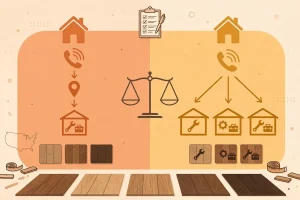
A shared lead goes to three, five, or even eight agents at once, and the first caller usually wins. An exclusive lead goes to you alone. Exclusive leads cost more per lead, but they convert at a much higher rate and usually produce a lower cost per sale. On a tight budget, buy shared leads in small batches and call within five minutes of delivery. You can learn more about the difference in our guide to exclusive auto insurance leads and calls.
Step 3: Mix lead sources instead of depending on one
The strongest California agencies blend three or four sources. Live transfers connect you with a driver already on the phone and ready to talk. Internet leads arrive by email and let you work them on your own schedule. Referral partnerships with body shops, car dealerships, and mortgage brokers bring warm introductions no lead seller can match. For a full explanation of how these lead types work, read what auto insurance leads are.
Step 4: Check the lead before you pay for it
Ask the vendor exactly what you are buying. How old is the lead? Was the driver told an agent would call? Is the phone number verified? What is the refund policy for disconnected numbers and duplicates? A reputable vendor answers in writing before you spend a dollar. Compare your options first — see where to buy auto insurance leads — and never sign a long contract before a small test batch proves the quality.
Step 5: Call fast, then follow up six times
Drivers who request quotes online often talk to the first agent who reaches them. Call within five minutes, and if there is no answer, follow a schedule: a text, a second call that evening, an email the next morning, and three more touches over the following week. Most agents quit after one attempt. The sale usually happens on the third or fourth.
Step 6: Track every lead to a bound policy
Keep a simple sheet: lead source, date, city, cost, and whether it bound. After thirty days you will know which source earns money and which one wastes it. Our guide to SEO strategies for auto insurance leads also shows how organic search can lower your cost per lead over time.
Auto Insurance Leads California: What They Cost by City
Lead prices vary widely by city, because competition, premiums, and carrier appetite change from one metro area to another. Los Angeles and San Francisco are the most expensive markets, while the Central Valley is usually cheaper. Use these ranges as a guide. Check live prices before you buy.
| City | Shared Lead | Exclusive Lead | Live Transfer Call |
|---|---|---|---|
| Los Angeles | $18 – $35 | $45 – $85 | $60 – $120 |
| San Diego | $15 – $30 | $40 – $75 | $55 – $105 |
| San Francisco | $17 – $32 | $42 – $80 | $58 – $115 |
| San Jose | $16 – $31 | $40 – $78 | $55 – $110 |
| Sacramento | $10 – $22 | $28 – $55 | $40 – $80 |
| Fresno | $8 – $18 | $22 – $48 | $35 – $70 |
The pattern is clear: a shared lead in Fresno can cost a third of what the same type costs in Los Angeles, but the Los Angeles driver often carries a higher premium and a larger commission per sale. Judge a lead by the cost per bound policy in that city, not by its price alone. A $70 exclusive lead in San Diego that binds is cheaper than four $20 shared leads that never answer the phone.
Work the math for yourself: if exclusive leads in your city cost $60 and one in four binds, your cost per sale is $240. If shared leads cost $20 but only one in twelve binds, your cost per sale is also $240 — and you made three times as many calls to get there.

Which Lead Channel Fits Your Budget? A Side-by-Side Comparison
No single channel wins for every agent. The right mix depends on your budget, your speed, and how much time you can spend on the phone. Here is how the main ways to get auto insurance leads in California compare.
| Channel | Typical Cost per Lead | Speed | Buyer Intent | Best For |
|---|---|---|---|---|
| Exclusive internet leads | $22 – $85 | Minutes | High | Agents who call within 5 minutes |
| Shared internet leads | $8 – $35 | Minutes | Medium | High-volume callers on a tight budget |
| Live transfer calls | $35 – $120 | Instant | Very high | Agents with a proven closing process |
| Referrals (body shops, dealers) | $0 – referral fee | Days | Very high | Agents building a local reputation |
| Local search / Google Business Profile | $0 per lead, time cost | Weeks to build | High | Long-term pipeline with no vendor |
| Aged leads (30+ days old) | $2 – $8 | Days | Low | Agents with a strong follow-up system |
Two channels deserve a warning. Aged leads look cheap, but the driver requested a quote a month ago and may already be insured — only buy them if you have a patient follow-up system and a low price per lead. And comparison-site leads from marketplaces such as EverQuote and SmartFinancial are usually shared, so expect competition on every one. Start with one paid channel and one free channel, measure cost per bound policy for thirty days, then shift money toward the winner.
How to Spot Bad Auto Insurance Leads Before They Cost You
Bad leads share the same warning signs. The phone number is disconnected or belongs to someone who never requested a quote. The driver says they filled out a form weeks ago and already bought a policy. The same lead arrives from two different vendors. Any one of these is a reason to ask for a refund or a replacement, and a vendor that refuses is a vendor to leave.
Compliance matters in California too. The California Consumer Privacy Act gives consumers rights over their personal information, and the Telephone Consumer Protection Act limits how and when you can call and text. Only buy leads from vendors who collect consent properly and let you see the source of each lead. Never dial a scraped list — that is how agents end up with fines instead of sales. Comparison sites such as NerdWallet, The Zebra, EverQuote, and SmartFinancial show how the big quote marketplaces work.
Mistakes California Agents Make With Auto Insurance Leads
The most expensive mistake is buying in bulk before testing. A new vendor deserves a test of twenty or thirty leads, not three hundred. The second mistake is buying outside your footprint: a lead in a ZIP code where none of your carriers write is money thrown away. The third is slow follow-up — waiting until the next morning to call a lead that arrived at noon. The fourth is ignoring the data: agents who never track cost per sale keep buying the same bad source month after month. And the fifth is putting every dollar into one vendor. Spread your budget across at least two sources, and keep one channel — referrals or local search — that no vendor controls.

Your Pre-Purchase Checklist for Auto Insurance Leads in California
- Confirm the lead is exclusive, or know how many agents share it.
- Check that the ZIP code is one where your carriers are competitive.
- Ask for the lead’s age, consent record, and refund policy in writing.
- Start with a small test batch of 20–30 leads before any larger order.
- Set up your system so the first call happens within five minutes.
Frequently Asked Questions About Auto Insurance Leads in California
How much do auto insurance leads cost in California?
Shared leads typically run $8–$35 depending on the city, exclusive leads $22–$85, and live transfer calls $35–$120. Use these ranges as a guide. Check live prices before you buy.
Are exclusive auto insurance leads worth the extra cost in California?
For most independent agents, yes. You are the only agent calling, so your contact rate is higher. Shared leads can work if you call within five minutes, but exclusive leads usually produce a lower cost per bound policy.
How fast should I call a new auto insurance lead?
Within five minutes. Drivers who request quotes online often speak to the first agent who reaches them, and contact rates fall sharply after the first hour. If you cannot call that fast, use live transfers or an automated text that goes out the moment the lead arrives.
Do I need a license to buy auto insurance leads in California?
You need a California property and casualty license to sell auto insurance, and the Department of Insurance regulates how agents market to consumers. Lead vendors do not need your license to sell you a lead, but you cannot quote or bind a policy without one.
What is the best source of auto insurance leads for a new independent agent?
Start with a small test batch of exclusive internet leads in one or two ZIP codes where your carriers are strong, plus referral partnerships with local body shops and dealerships. Add live transfers once your closing process is solid.
If you want a steady pipeline of quality leads without the trial and error, Choose Top7seven as your trusted partner for performance marketing services in the US. We help independent agents across California connect with real drivers who are ready to talk, so you can spend your time quoting and closing — not chasing dead leads. Those steady quotes are the auto insurance leads California agents want most.