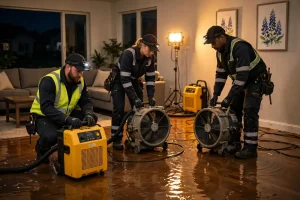
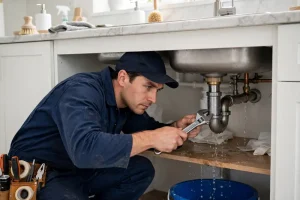
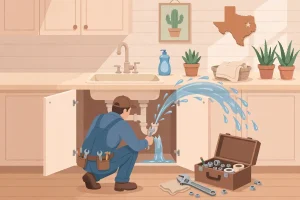
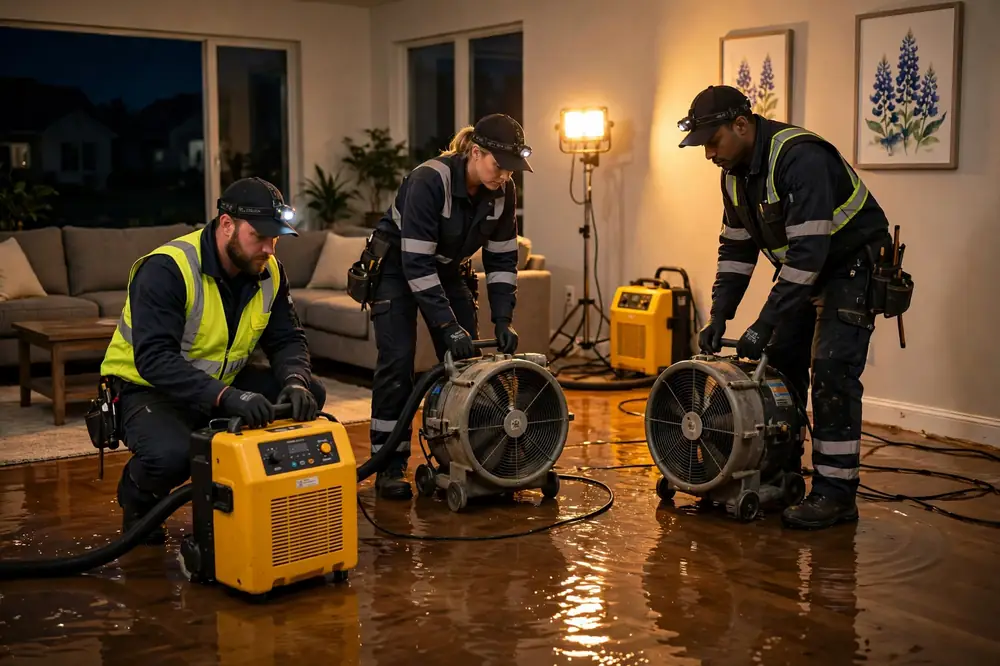
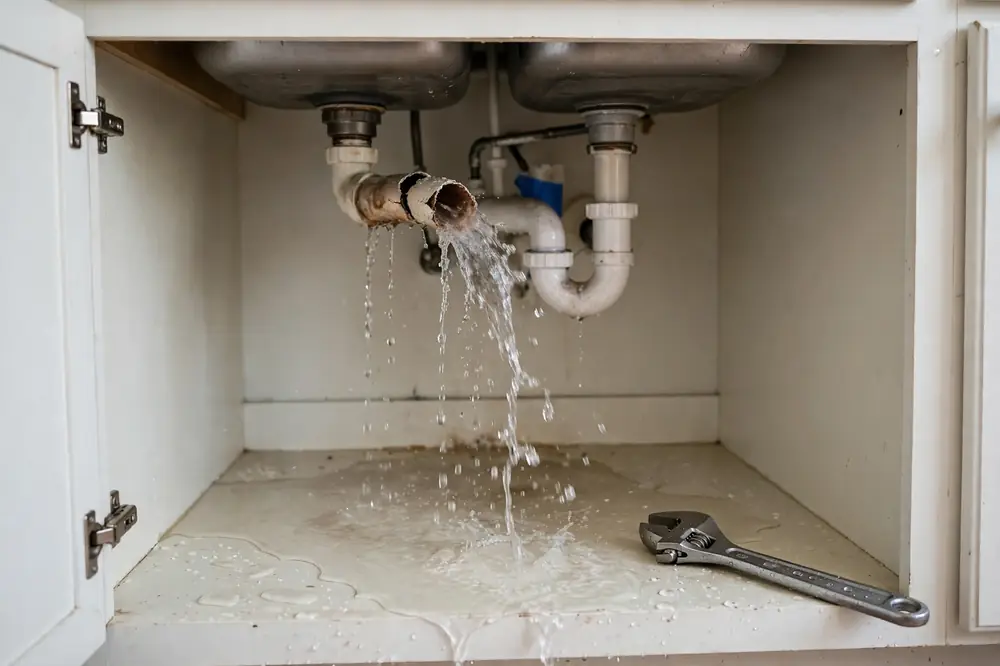
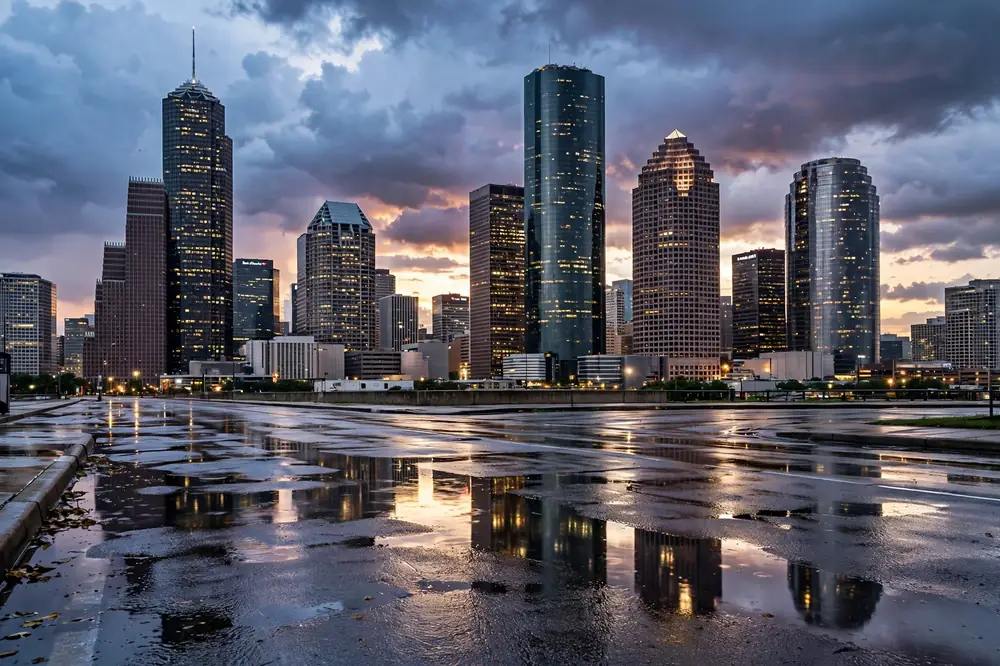
It is 2:14 a.m. in Houston, and the phone rings at a small restoration company on the east side of town. A homeowner in Katy has found water pouring from a burst pipe in the ceiling. The carpet is soaked and the drywall is sagging. The crew leader asks for the address and the shut-off valve. Twenty minutes later, two vans are on the road. For a restoration company, water damage leads Texas homeowners search for at 2 a.m. are not just names on a list. They are emergencies, and the company that answers first usually wins the job. For a Texas restoration company, water damage leads Texas homeowners send at 2 a.m. are the calls that keep crews busy.
That is the opportunity, and it is also the problem. Texas is one of the largest and most competitive restoration markets in the country. Storms, burst pipes, slab leaks, and flooding create sudden demand, but dozens of companies chase the same calls. If you wait for referrals alone, you will sit quiet between storms. If you buy the wrong leads, you will pay for renters, out-of-area jobs, and people who only wanted free advice. This guide shows where they come from, what they cost in each major city, and how to spot the bad ones.
Water Damage Leads Texas: Why They Are Hard to Win
Texas does not have one water damage season. It has several, and they hit different cities in different ways. Houston deals with heavy rain, hurricanes, and flooding from the Gulf. Dallas and Fort Worth see burst pipes during winter freezes and sudden downpours. Austin faces flash floods and older plumbing. San Antonio deals with slab leaks, aging pipes, and summer storms.
That variety makes water damage leads in Texas valuable, but also uneven. A lead in Houston after a hurricane is urgent and high value. A lead in a quiet week in February may be a slow leak the homeowner has ignored for months. That homeowner may call three companies, take the cheapest quote, or decide to wait. Your job is to get calls from people who need help now, who own the home, and who are inside the area you serve.
Competition adds another layer. Large national franchises, local independents, and plumbers who also do drying all compete for the same searches. Insurance companies and their preferred vendors take a share of jobs before a homeowner ever searches online. So you cannot rely on one channel. You need a mix: a strong local presence, fast response, and paid sources you can turn up when the weather turns bad. Speed is the deciding factor. Mold can start within 24 to 48 hours. If your phone goes to voicemail, or your team calls back two hours later, that lead is already gone.
How to Get Water Damage Leads in Texas: A Step-by-Step Plan
First, claim and complete your Google Business Profile for every location you serve, with real photos of your crew, your vans, and finished drying jobs. Add your service area city by city, so Houston, Katy, Cypress, and The Woodlands are all listed if you truly serve them. Ask every happy customer for a review the day the job finishes. The same local approach that works for roofing leads in Texas applies here: one city, one page, one clear service. Learn more from the team at Top7seven. Each step here is built to win water damage leads Texas homeowners trust in an emergency.
Second, build a city page for each market you want to win. Do not send all your traffic to one generic Texas page. Build a dedicated page for Houston, another for Dallas, and another for Austin, each naming the neighborhoods you serve, the common causes in that city, and a real response time. A homeowner in Plano wants to know you can reach Plano tonight.
Third, add paid calls you can control. Google Local Services Ads puts your company at the top of search results for emergency water damage searches, and you pay for leads, not clicks. Set a separate budget for each city, and pause a city when your crews are full. Then buy leads from a provider only after you know your numbers. Ask for exclusive leads first, so you are not racing four other companies to the same homeowner. Start small, with one city and a daily cap. Angi and HomeAdvisor are two of the best-known lead marketplaces, but shared leads from any marketplace need extra care.
Finally, build the relationships that keep working when ads go quiet. Introduce yourself to plumbers, property managers, apartment complexes, and insurance agents in your city. Plumbers are often the first call when a pipe bursts, and a plumber who trusts you will pass your number on. Property managers deal with leaks in dozens of units and need a crew they can call at midnight. A homeowner who needs a plumber today may need drying tomorrow, so read our guide to plumbing leads in Texas. Then answer every lead like it is the 2 a.m. call in Houston: call within five minutes and give a real arrival window.
Water Damage Leads Texas: Costs by City in Houston, Dallas, Austin and San Antonio
Lead prices in Texas vary by city, season, and lead type. A shared lead is cheaper but harder to win. An exclusive lead costs more but gives you a real chance to book the job. Emergency calls cost more, and prices rise sharply after a storm or a freeze. Use these ranges as a guide. Check live prices before you buy.
| City | Shared lead | Exclusive lead | Emergency call |
|---|---|---|---|
| Houston | $45–$95 | $110–$220 | $150–$300 |
| Dallas–Fort Worth | $40–$85 | $95–$195 | $130–$275 |
| Austin | $40–$80 | $90–$185 | $125–$260 |
| San Antonio | $35–$70 | $80–$165 | $110–$230 |
| El Paso | $30–$60 | $70–$140 | $95–$200 |
| Corpus Christi | $30–$65 | $75–$150 | $100–$210 |
Houston is the most expensive market because demand is high, flooding is common, and job values are large. A single whole-house drying job can justify a $200 lead many times over. Dallas–Fort Worth is close behind, with freeze events that create sudden spikes. Austin sits in the middle: strong demand, but a smaller market. San Antonio is usually the cheapest of the four, with lower ad costs and fewer national franchises bidding on every search.
Do not judge a lead source by the price of one lead. Judge it by the cost per booked job. A $50 shared lead that never answers is more expensive than a $180 exclusive lead that books and closes. Track your numbers for 30 days in each city before you decide. In practice: a $180 exclusive lead that books one in three costs $540 per booked job, while a $50 shared lead that books one in ten costs $500 per booked job but wastes far more phone time. The cheaper lead is not always the cheaper job.
El Paso and Corpus Christi are worth a look if Houston and Dallas feel too expensive. El Paso has lower ad costs and less franchise competition, though job values are smaller and monsoon-season roof leaks behave differently from Gulf flooding. Corpus Christi sits on the coast, so hurricane season brings real surge demand, but quiet months are quieter than Houston. Do not buy leads in either city unless your crews can genuinely reach it the same night.
Water Damage Leads Texas: Which Channel Is Worth Your Money?
Most competitor pages name one or two lead sources and stop there. Use this comparison to pick a mix, not a single source.
| Channel | Typical cost per lead | Speed | Best for |
|---|---|---|---|
| Google Local Services Ads | $35–$85 | Fast | Emergency calls, strong reviews |
| Google Ads (paid search) | $20–$80 per click | Fast | City pages, storm spikes |
| Exclusive pay-per-call | $150–$400 | Immediate | High-value drying jobs |
| Shared marketplace leads | $35–$150 | Slow, you chase | Filling quiet days only |
| Plumber and property-manager referrals | No per-lead fee | Steady | Warm, trusted jobs |
| Insurance preferred-vendor work | Margin share, no lead fee | Steady | Volume, if you can accept the terms |
Local Services Ads are usually the best starting point, because you pay for leads rather than clicks and the caller already needs emergency help. Exclusive pay-per-call costs the most, but the caller is live and yours alone, so it suits whole-house drying jobs where one booking pays for many leads. Shared marketplace leads are the weakest channel for emergencies: by the time you call, three competitors already have. Use them only to fill quiet days. Referrals close best of all but cannot be switched on during a storm, and insurance vendor programs bring steady volume but the carrier sets the price and paperwork, so read the terms first.
Mistakes to Avoid and How to Spot a Bad Lead
The most expensive mistake is buying shared leads without a plan. A shared lead is sold to three or four companies at once. The homeowner gets four calls in ten minutes and picks the first company that sounds professional or the cheapest quote. If you buy shared leads, you must call within minutes and sound calm and organized. If you cannot do that, do not buy them.
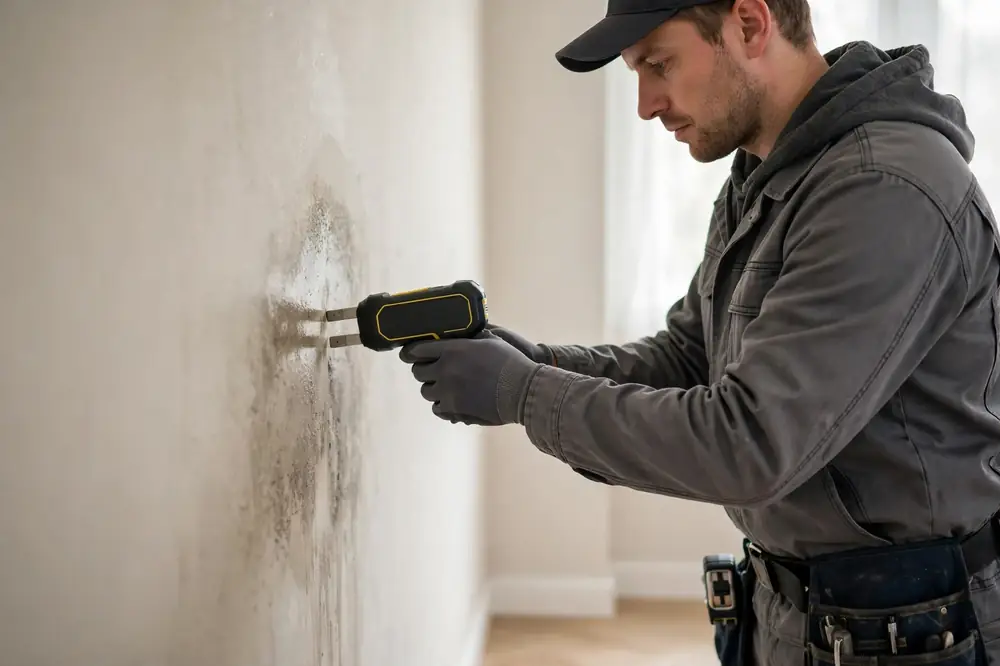
Watch for red flags. A lead with no address, no working phone number, or a homeowner who says they never asked for help is a bad lead, and you should ask for a credit or a replacement if your provider offers one. Be wary of leads that are old, reused, or outside your service area. A lead in El Paso does you no good if your crews only work in Houston.
Be wary of renters who need landlord approval, or people looking for a free inspection with no damage at all. Another common mistake is sending paid traffic to a weak website. If your page has no phone number at the top, no reviews, and no photos, the homeowner will leave and call the next company. Add a click-to-call button on mobile. For a broader view, see our guide to water damage leads and calls.
Two mistakes competitors rarely warn about are insurance and mold licensing. Most standard Texas homeowners policies cover a sudden, accidental release such as a burst pipe, but they typically exclude flood damage, which needs separate flood cover, and slow leaks ignored for months. Ask early what happened and when, because a flood job and a burst-pipe job go through different claim routes. Texas also requires a state license from the Texas Department of Licensing and Regulation for mold assessment and remediation. General water restoration without mold has no statewide license, only local rules, but most water jobs turn into mold work within days, so do not buy mold leads you are not licensed to serve. Check current rules with the licensing authority before you bid. This is general information, not legal advice.
Your Pre-Purchase Checklist Before You Buy Water Damage Leads
Run through this list before you spend money on any lead source in Texas.

- Confirm the lead is exclusive, or know how many companies share it. Never pay exclusive prices for a shared lead.
- Check the service area and the homeowner’s address. If it is outside the cities your crews can reach tonight, do not buy it.
- Ask where the lead came from and how fresh it is. A lead older than an hour in an emergency is often already lost.
- Make sure someone can answer within five minutes, 24 hours a day. If no one can answer, pause your buying until you fix that.
- Set a daily cap and a test budget for one city first. Track cost per booked job for 30 days before you scale.
Frequently Asked Questions About Water Damage Leads in Texas
How fast should I call a water damage lead in Texas?
Call within five minutes, and faster if you can. The homeowner is usually calling more than one company. The first company to answer, confirm the address, and give a real arrival time usually wins the visit.
Are exclusive water damage leads worth the higher price in Texas?
Often, yes. An exclusive lead means you are the only company calling that homeowner, so you can win on service instead of racing three other companies. Shared leads can work if you call fast, but they close at a lower rate.
Which Texas city has the highest demand for water damage restoration?
Houston usually has the highest demand because of heavy rain, hurricanes, and flooding from the Gulf. Dallas–Fort Worth spikes sharply during winter freezes. Austin and San Antonio have steady demand from slab leaks and aging plumbing.
Does homeowners insurance cover water damage in Texas?
Often, for a sudden and accidental event such as a burst pipe. Most standard policies exclude flood damage, which needs separate flood cover, and slow leaks that went unrepaired for months. Ask what happened and when it started before you quote, and tell the homeowner to call their insurer early and keep photos and receipts.
Can a small restoration company compete with national franchises in Texas?
Yes. Small companies often answer faster, know the local neighborhoods better, and follow up more personally than a large franchise. Focus on one or two cities, build strong reviews, and partner with local plumbers and property managers.
If you want water damage leads in Texas that actually turn into booked jobs, start with one city, fix your answer rate, and buy leads you can track. Choose Top7seven as your trusted partner for performance marketing services in the US. Those 2 a.m. calls are the water damage leads Texas crews want most.