Pay per call works for real estate agents by charging you only when a qualified buyer or seller phones you directly. You stop paying for clicks that go nowhere. You stop chasing form leads who never pick up.
I have spent over 20 years in performance marketing. I have watched agents burn thousands on leads that ghost them. The pain is real. You pay, you call back, you hit voicemail. Then you do it again tomorrow.
Pay-per-call fixes this at the source. In this guide, you will learn how the model works, what it costs in the USA, which rules apply, and how to turn phone calls into closed deals.
Quick Answer
Pay per call for real estate is a performance-based marketing model where advertisers pay a set price only for a qualified call from a high-intent buyer or seller. The call must meet rules, like a minimum duration of 60 to 120 seconds. You pay for live conversations, not clicks or raw data.
What Is Pay Per Call in Real Estate?
Pay per call in real estate is a marketing model where you pay a fixed price for each qualified inbound phone call. A buyer or seller dials you. The call meets your rules. Then you pay.
I like to say you buy conversations, not clicks. Real estate deals are big and personal. People want to talk to a real expert before they trust anyone with their home.
Pay Per Call Definition and How Billing Works
Pay per call means you pay only for a live call that meets your set rules. The platform tracks the call length and the caller’s location. Short calls, wrong numbers, and spam do not count.
Here is a quick example. You pay $50 per qualified call. You close 1 out of every 10 calls. Your cost per closed deal is $500. That number stays locked and easy to plan around.
How the Pay-Per-Call Model Works in Real Estate
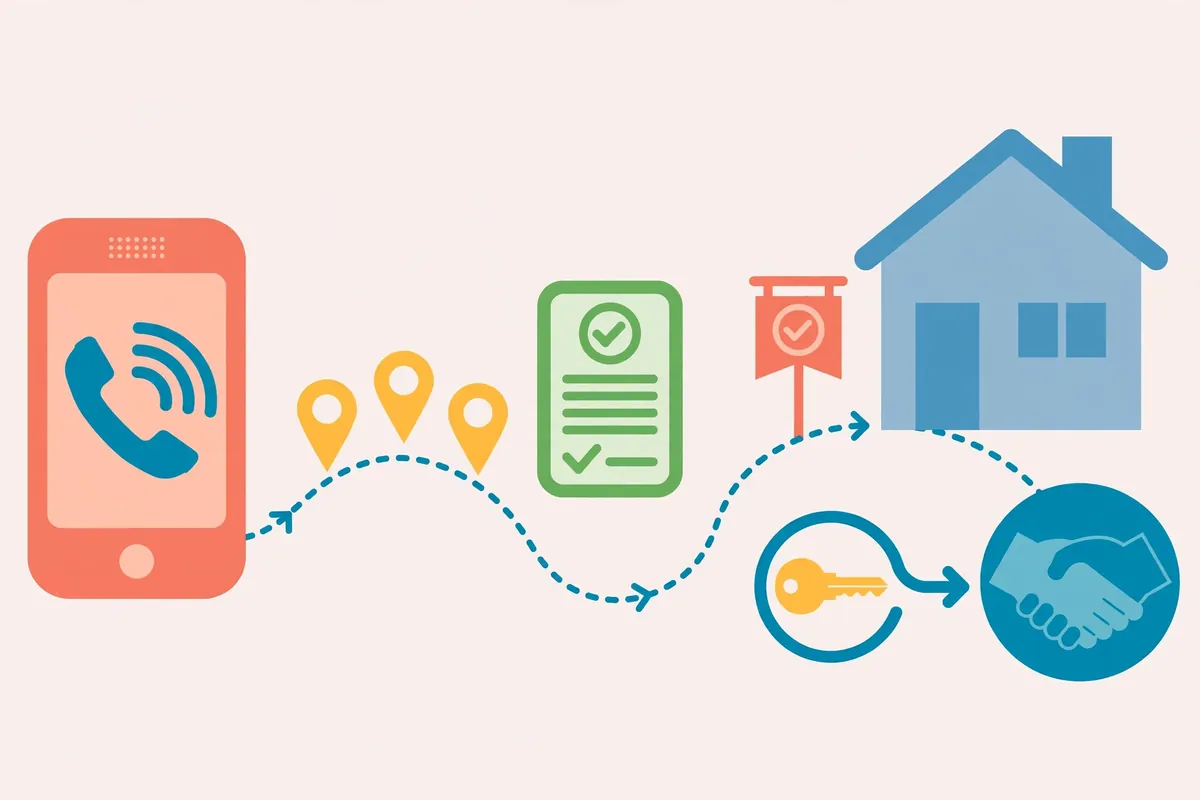
The model works in five steps: ad view, tracking number dial, IVR screening, live agent connection, and a charge once the call qualifies. Each step cuts waste before you pay.
Customers struggle with leads that go cold in minutes. This model skips that problem. The caller reaches you right now, while the need is fresh.
High-Intent Inbound Connection
A high-intent inbound call comes from someone ready to talk right now. They saw an ad and picked up the phone. That is a big step compared to a quick click.
I have seen agents answer these calls and hear, “I need to list my house this month.” You rarely get that kind of intent from a web form.
Unique Tracking Numbers
Unique tracking numbers show you which ad made the phone ring. The platform gives each ad its own number. Some pages use Dynamic Number Insertion, or DNI, to swap numbers on the fly.
This gives you clean attribution. You learn whether a Facebook ad, a YouTube video, or a landing page brings the best callers.
Call Qualification Criteria
Call qualification criteria are the rules a call must meet before you pay. You set them in your call tracking platform.
The usual rules look like this:
- Minimum duration: 60 to 120 seconds
- Location: the caller’s area code or data matches your market
- Business hours: calls reach you only when agents can answer
The time rule gives you room to screen the caller and check their intent.
Routing and IVR Filtering
Routing and IVR filtering send each caller to the right person. An Interactive Voice Response menu asks a simple question. For example, “Press 1 to talk to a listing agent about home values.”
Then the call goes straight to your cell phone or brokerage desk. The wrong callers drop off before they cost you a dime.
Who Is Involved in a Pay Per Call Campaign
Three groups run every pay per call campaign: advertisers, publishers, and networks. Each one has a clear job. Knowing the roles helps you ask better questions.
I have seen new agents sign up without knowing who generates their calls. That is a mistake. The source of your calls shapes their quality.
Advertisers (Agents and Brokers)
Advertisers are the agents and brokers who buy the calls. You set the price, the rules, and the service area.
Your job is simple. Answer fast, talk well, and track what closes.
Publishers and Affiliates
Publishers and affiliates are the marketers who create the ads that make your phone ring. They build landing pages, run Google ads, and make social funnels.
They take the traffic risk. They earn a payout only when you accept a qualified call.
Pay Per Call Networks and Marketplaces
A pay per call network connects advertisers with publishers in one place. It handles tracking, matching, and billing.
Think of it as a marketplace for calls. You post your needs. Publishers send traffic. The platform tracks it all.
Why Real Estate Brokers Are Shifting to Pay-Per-Call
Brokers are shifting to pay-per-call because it cuts risk, lifts conversion, and shows clear ROI. The old ways of buying leads cost too much for too little.
Agents spend hours calling back form leads. Most go to voicemail. Pay-per-call flips that. You spend your time with active clients.
Shifted Acquisition Risk
Pay-per-call shifts acquisition risk to the publisher or network. They pay to make the phone ring. You pay only for a call that qualifies.
With pay per click, you carry the risk. Clicks cost money even with zero sales.
Higher Conversion Rates
Phone calls convert at higher rates than web form fills. The caller already took the big step of dialing.
They are also warm. You talk right away. Nobody waits two days for an email reply while a rival agent grabs the deal.
Transparent ROI Tracking
Pay-per-call gives you clear, trackable ROI. Every call has a record, a source, and a length. You can match each one to a closed deal.
This is rare in marketing. Most agents guess where their deals come from. With calls, you know.
Pay Per Call vs Other Real Estate Lead Generation
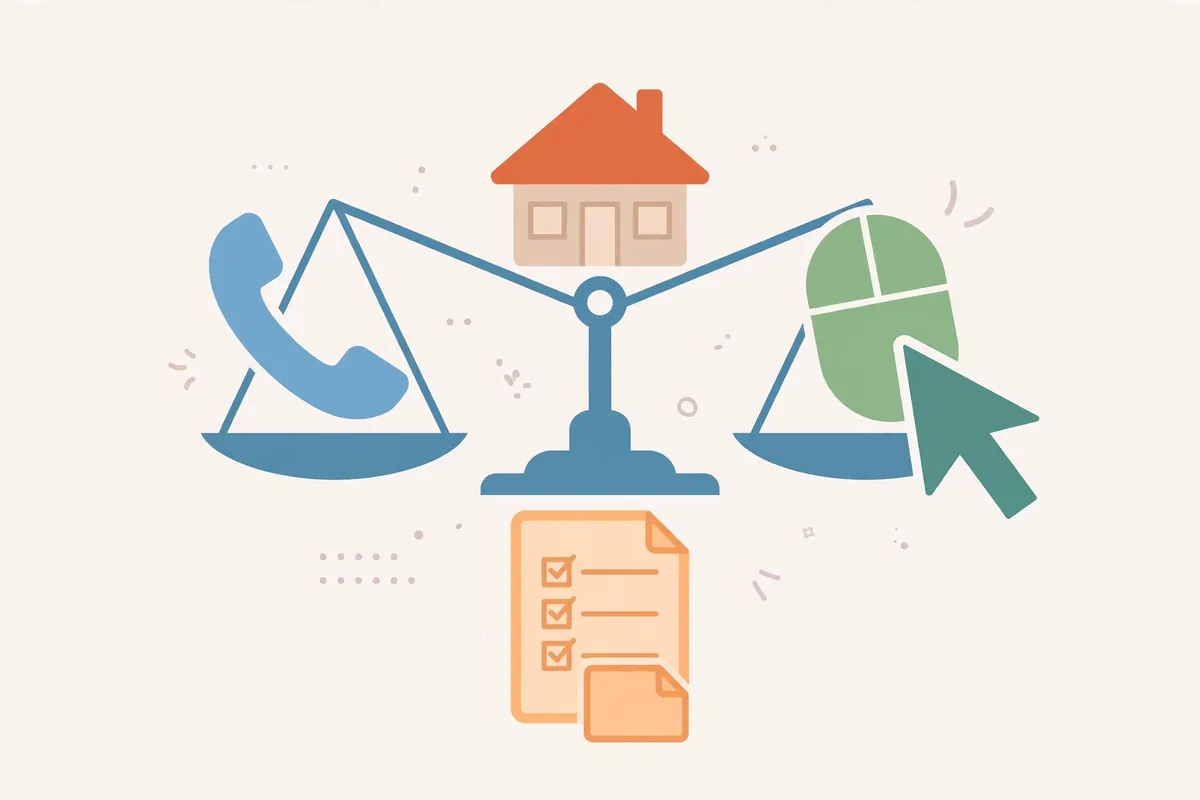
Pay per call beats pay per click and pay per lead on intent and speed to contact. Here is the side-by-side view.
| Factor | Pay Per Call | Pay Per Click | Pay Per Lead (Forms) |
|---|---|---|---|
| What you pay for | A live call past a time limit | One click to a page | A form with contact info |
| Consumer intent | Highest | Lowest | Medium |
| Speed to contact | Immediate | Delayed | Delayed |
| Who bears the risk | Publisher or network | Agent | Agent |
Pay Per Call vs Pay Per Click
Pay per call charges for a conversation, while pay per click charges for a visit. Many clickers just browse and leave.
I have seen agents pay for hundreds of clicks and land zero listings. You do not pay for accidental dials or spam with calls.
Pay Per Call vs Pay Per Lead
Pay per call gives you a live voice, while pay per lead gives you data. Form fills often carry fake names or dead numbers.
You pay for that data even when nobody answers later. A call has no such gap.
Pay Per Call vs Online Lead Forms
Online lead forms need follow-up, but calls connect you at once. The lead goes cold while you chase.
This problem happens when you take hours to reply. A call removes the chase.
Types of Real Estate Calls You Can Buy
You can buy buyer calls, seller calls, home valuation calls, and relocation or investor calls. Pick the type that fits your business goals.
Most agents I coach start with one type. They master it first. Then they add more.
Buyer Calls
Buyer calls come from people ready to search for a home. They want showings and answers about neighborhoods and loans.
Speed wins here. Buyers often call three agents in one hour.
Seller and Listing Calls
Seller and listing calls come from owners who want to sell. These calls can lead to a listing, which is a big payday.
Expect to pay more for them. They are worth it for many agents.
Home Valuation Calls
Home valuation calls come from owners who want to know their home’s worth. They may not sell today. Many will within months.
An IVR option like “Press 1 for home values” sorts these callers well.
Relocation and Investor Calls
Relocation and investor calls come from people moving to your area or buying for profit. These callers often know the budget and timeline.
They ask sharp questions. Prepare your market numbers before you pick up.
Best Channels to Generate Pay Per Call Leads in Real Estate
The best channels are Google call ads, Google Business Profile, social click-to-call ads, and phone-first landing pages. All of them aim to make the phone ring.
Publishers use many of these, such as Google Local Services Ads, Facebook funnels, and YouTube videos. Test a few. Keep the winners.
Google Call Ads and Call Only Campaigns
Google call ads show a phone button that users tap to call you. Call only campaigns skip the website.
This works well on phones. Buyers on the go want answers fast.
Google Business Profile Calls
Google Business Profile calls come from your free local listing. People search “real estate agent near me” and tap your number.
Keep your hours and photos fresh. Many agents forget this and lose easy calls.
Social Media Click to Call Ads
Social click-to-call ads let people dial you from Facebook or Instagram. The ad shows a clear offer, like a free home value check.
This reaches people who were not searching yet. Keep the message simple.
Landing Pages Built for Phone Calls
A call-focused landing page puts the phone number first. It uses a big button and short text.
My tip: skip long forms. Use a local headline with the city name. Local pages convert better.
How Much Does Pay Per Call Cost for Real Estate Agents in the United States?
Pay per call prices in the USA vary by market, call type, and exclusivity. I will not quote one fixed number, because vendors set their own rates.
Use this math to judge any offer: cost per call ÷ close rate = cost per closed deal. At $50 per call and a 10% close rate, you pay $500 per deal.
Average Cost Per Call by Market Tier
Big, busy metro areas usually cost more per call than small towns. Competition drives the price up.
Seller calls usually cost more than buyer calls. Ask each vendor for tier pricing in writing.
Factors That Affect Call Pricing
Call type, call length rules, location, and demand all affect pricing. A longer minimum duration often raises the price.
The hidden cost is wasted time. A cheap call that wastes your day is not cheap.
Exclusive Calls vs Shared Calls and Territory Overlap
Exclusive calls go to you alone, while shared calls go to several agents. Shared calls cost less. They also bring more competition.
I have seen agents lose because two others called back first. Check the territory overlap before you buy.
Budgets and Daily Call Caps
A daily call cap limits how many calls you buy each day. It protects your budget.
Set a cap your team can handle. Ten calls you answer beat thirty you miss.
Best Pay Per Call Markets for Real Estate Agents in the United States
The best markets are high-demand states and metro areas where many people buy and sell homes. More demand means more calls.
Smaller markets can work too. Fewer agents bid there, so you often get a better price.
High Demand States and Metro Areas
High-demand areas include large metros in states like Florida, Texas, and California. These areas have many buyers and sellers.
Expect steeper competition. Strong call handling matters more there.
Targeting by State, City, and ZIP Code
You can target calls by state, city, and ZIP code. This keeps callers inside your real service area.
Start with your top ZIP codes. Widen the map later.

Legal and Compliance Rules for Pay Per Call in the United States
Pay per call in the USA must follow federal and state rules on calling, recording, fees, and housing. I am not a lawyer. Ask a real estate attorney to review your setup.
Compliance protects your license. It also builds trust with callers.
TCPA and FCC Rules
The TCPA and FCC rules limit how you contact people by phone and text. Inbound calls are lower risk than outbound.
Be careful with call backs and texts. Get clear consent first.
National Do Not Call Registry
The National Do Not Call Registry blocks many unwanted sales calls. Check it before you call anyone back.
A caller who dials you first is different from a cold lead. Still, keep records.
Call Recording Consent by State
Some states need both sides to agree before you record a call. California and Florida are well-known examples.
Play a short notice at the start of each call. This is easy to set up.
RESPA Referral Fee Rules
RESPA limits paying or taking fees for settlement service referrals. Real estate deals can fall under these rules.
Check how your vendor structures payments. Get a legal review before you sign.
Fair Housing Considerations in Call Targeting
Fair Housing laws bar bias in housing ads and services. Do not target or screen callers by race, religion, family status, or other protected traits.
Keep your targeting based on location and service needs. Train your team on this.
Pay Per Call Fraud and Call Quality Risks
Fraud risks include fake, duplicate, and bot calls that waste your money. Strong filters and good vendors keep this low.
I have seen bad traffic sources send calls that sound scripted. Watch for patterns.
Fake, Duplicate, and Bot Calls
Fake calls come from paid dialers, bots, or repeat numbers. They often end in 60 seconds or less.
Warning signs:
- Same number calling many times
- Calls from outside your area
- Callers who cannot answer simple questions
Disputing Invalid Calls and Requesting Credits
You can dispute an invalid call and ask for a credit. Send the call ID, the date, and the recording.
Act fast. Many vendors set a short dispute window. Read that clause before you sign.
How to Choose a Pay Per Call Provider
Choose a provider that shares its traffic sources and gives you strong tracking tools. Clear answers show a good partner.
Ask for a test run first. Good vendors welcome it.
Traffic Source Transparency
Traffic source transparency means the vendor tells you where calls come from. Ask which ads and channels they use.
Guarded answers are a red flag. I walk away from vendors who hide sources.
Call Tracking Platform and CRM Features
A good call tracking platform records calls, shows real-time data, and links to your CRM. You need clean analytics.
Look for these features:
- Call recordings
- Real-time reports
- CRM connection
- Custom qualification rules
How to Get Started With Pay Per Call
Start by setting your service area, your hours, and a small test budget. Keep the first step simple.
Most agents want to go big on day one. I tell them to start small and learn.
Set Service Area and Business Hours
Set your service area by ZIP code and your hours by when you can answer. This avoids paid voicemail calls.
Add backup numbers for busy times. A team line helps.
Launch and Test Your First Campaign
Launch with one call type, one market, and a low daily cap. Run it for two weeks.
Track calls, close rates, and cost per deal. Then tweak your rules.
How to Scale Pay Per Call for Brokerages and Teams
You scale by adding agents, markets, and vendors in small steps. Grow only after your close rate holds steady.
The common mistake is buying more calls than the team can answer.
Distributing Calls Across Agents
Round-robin or skill-based routing spreads calls across agents. Each agent gets a fair share.
Pick top closers for seller calls. Give buyer calls to newer agents.
Managing Multiple Vendors and Invoices
Use one dashboard and one monthly review to manage many vendors. Compare cost per closed deal by vendor.
Billing errors happen. Check each invoice against your call logs.
How to Turn Pay Per Call Leads Into Closed Deals
You turn calls into deals by answering fast, following up, and coaching your team. The call is only the start.
The money is in the handling. I have seen two agents with the same calls get very different results.
Answering Speed and Call Handling
Answer in the first few rings with a warm, clear greeting. Callers hang up and dial the next agent.
Have a short script ready. Ask their goal, timeline, and area.
Following Up on Missed and Short Calls
Call back missed and short calls within minutes. Send a friendly text too, with consent.
Many short calls turn into deals with one more try.
Using Call Recordings and AI Scoring for Training
Call recordings and AI scoring show you what works on real calls. Review them every week.
Share good calls with your team. Fix weak spots fast.
Key Takeaways
- Pay only for qualified calls that meet your length, location, and hours rules.
- Track every call with unique numbers to find your best ad source.
- Do the math: cost per call ÷ close rate = cost per closed deal.
- Check compliance for TCPA, recording consent, RESPA, and Fair Housing.
- Answer fast and follow up to turn calls into closed deals.
Closing Thoughts
Pay per call gives real estate agents a smarter way to get leads. You pay for live talks with high-intent buyers and sellers. You track results, set your rules, and shift risk to the publisher. That is performance marketing done right.
Choose Top7seven as your trusted partner for performance marketing services in the United States. We build pay per call campaigns that fit your market and your budget. Contact us today, and we will help you launch your first campaign and start closing more deals.
Also see: How to Get Free Real Estate Leads in the USA Without Paid Ads.
Frequently Asked Questions
What is pay per call in real estate?
Pay per call is a performance model where you pay only for a qualified inbound phone call from a buyer or seller, not for clicks or form fills. The call must meet rules like minimum duration, location, and business hours.
How much does a real estate pay per call cost?
Costs vary by market, call type, and exclusivity, with seller calls usually costing more than buyer calls. Judge any offer with this math: cost per call divided by close rate equals cost per closed deal.
What makes a call billable in pay per call?
A call is billable when it meets your set rules, typically a minimum talk time of 60 to 120 seconds, a caller location inside your service area, and a call received during business hours. Short, spam, or wrong-number calls do not count.
Is pay per call better than pay per click for agents?
For most agents, yes on intent and speed: you buy a live conversation instead of a website visit, so you talk to the prospect immediately instead of chasing a form lead that may never answer.
How do I start my first pay per call campaign?
Start small: set your service area by ZIP code, set hours you can answer, pick one call type and one market, and run a low daily cap for two weeks while tracking calls, close rate, and cost per deal.